

Audio By Carbonatix
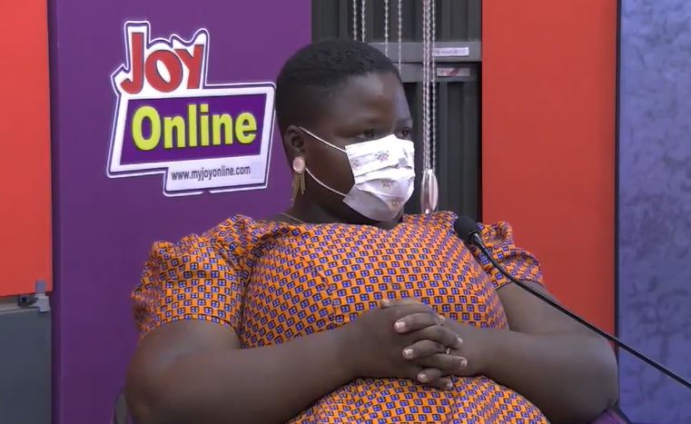
A woman who works with a local NGO has recounted how she suffered discrimination at the hands of her former employers due to a mental health condition she developed.
According to Cecilia Ashaley, who was initially diagnosed with psychosis and later, bipolar disorder, she was dismissed from her workplace without any just cause.
"I used to teach, but I was dismissed without any cause. They said I was a danger to the children. Because of that, I'll have to stop teaching and go home and take care of myself," she said.
She disclosed this on the back of JoyNews’ latest hotline documentary, christened ‘Mind Matters’ which highlights the rights of mental health patients.
The documentary features some mental health patients who told stories of how they suffered human rights violations due to their condition. Some revealed that they were dismissed from their jobs and another disclosed that she was lured by a Doctor into sleeping with her before being supplied drugs.
She lamented over the fact that their plight is contrary to the provisions of the country's laws.
The Mental Health, 2012 (Act 846), provides for all the rights that accrue to anyone who experiences any form of mental illness in Ghana.
The aims of the document are: to ensure the rights and quality treatment of persons with mental disorders; and to stipulate changes to the organisation, provision, and funding of mental health services.
Section 55(1) of the Mental Health Act clearly states that "A person with a mental disorder has the right to enjoy a decent life as normal and as full as possible, which includes; the right to education, vocational training, leisure, recreational activities, full employment and participation in civil, economic, social, cultural and political activities and any specific limitations on these rights shall be in accordance with an assessment of capacity," but this was in contrast with the reality Cecilia and the other patients faced.
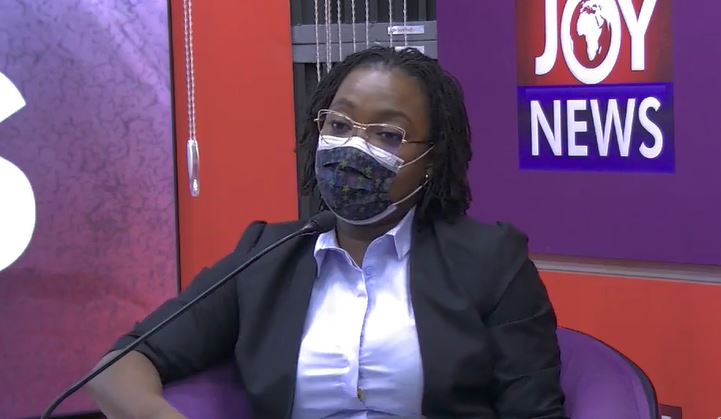
Cecilia indicated that when she was dismissed, she wasn't given any form of compensation by the management of the school.
"Per the school's code of conduct, if you go against any regulation or rule, there are punishments that are meted out. In my case, I didn't go against any rule. They just asked me to go home and take care of myself. No salary, no compensation or anything of that sort," she said.
She was left with nothing to sustain her. Life would have been tough but for the support of her husband. Cecilia stated that she had to fall on her husband and family's support to survive.
"Fortunately, I had a husband who supported me and he was my main source of support. I was mostly dependent on him because I wasn't able to bring funds home anymore," she said.
According to Cecilia, this was not the only predicament she had to deal with. She also suffered stigmatisation at the hands of people who had various interpretations for her ailment.
She noted that the illness started with hallucinations. "My mum is dead long ago, but I could hear her voice - she was giving me instructions to go to certain places. To me, I was living a normal life, but other people were those who could decipher when I was in my right state of mind and when I wasn't. Sometimes, I see people covering me with clothes. I didn't understand, but apparently, I had taken off my clothes.
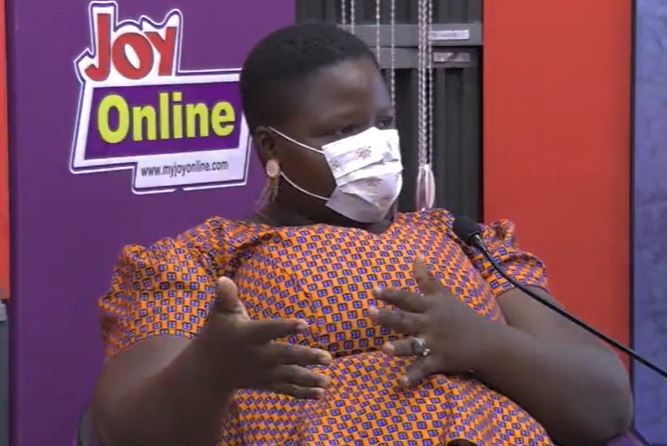
"The illness also started about three months after I got married and there were various interpretations. Some said I had offended God and [my ailment] was a punishment. Others also said I had married the wrong man that's why I'm suffering from the disorder. But my husband stood by me throughout the period to date," she said.
The full documentary airs on the JoyNews channel at 8:30 pm on Monday, February 28. It will be broadcast again on Tuesday at 6:30 pm on the same channel.
The film also captured how managers of psychiatric facilities struggle to procure medications due to inadequate funding for the Mental Health Authority (MHA).
The MHA receives an average of 30 percent of its annual budget from government, forcing it to introduce a pay-as-you-go model of operation.
The Authority believes the provision of a dedicated source of revenue will help reduce the burden on psychiatric facilities and persons who require mental healthcare services.
Latest Stories
-
Prioritise cocoa sector with better prices, timely payments-Annoh-Dompreh urges NDC
16 minutes -
Lands and Mines Watch Ghana endorses Heath Goldfields’ mining capacity
31 minutes -
Gbintiri residents protest alleged diversion of 24-hour market project
57 minutes -
Justin Bieber headlines Coachella with nostalgia-fuelled set
59 minutes -
Ukraine and Russia accuse each other of hundreds of ceasefire violations
1 hour -
Asha Bhosle: The sound of Bollywood dies aged 92
2 hours -
Fire destroys section of 4-bedroom apartment at Tantra Hill
2 hours -
Safe city: Unnoticeable protection
2 hours -
North East Regional Police Commander raises alarm over burning of checkpoints
2 hours -
Free Primary Healthcare Programme set for take-off — Health Ministry confirms readiness
2 hours -
3 co-wives, 5 children perish in canoe disaster – Maritime Authority insists life jackets use mandatory for all water transport
3 hours -
Iran war lands ‘triple blow’ to flood-ravaged Sri Lankans
3 hours -
Gunmen kill at least 11 people at Afghanistan picnic spot
4 hours -
Woman, 25, in court for stealing baby at Bogoso
4 hours -
Trump unveils giant gold-accented victory arch design for US capital
4 hours