

Audio By Carbonatix
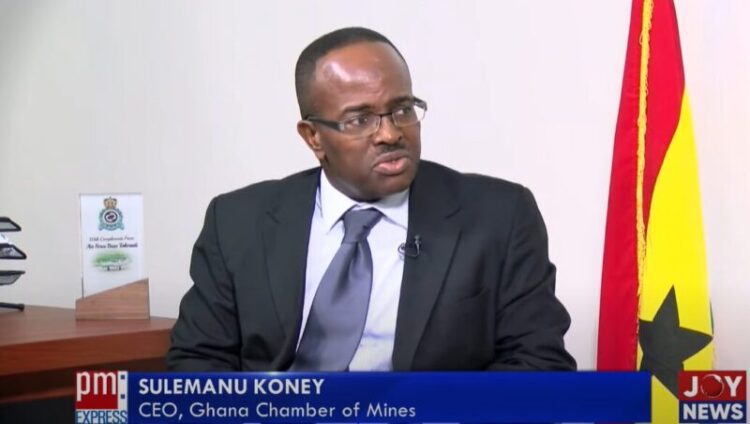
The CEO of the Ghana Chamber of Mines, Sulemanu Koney, has provided critical insights into the role of the mining sector in stabilising the local currency.
Speaking to Joy News’ PM Express Business Edition on Thursday, September 19, he stated that without the contributions of the mining industry, the Ghanaian cedi could be in far worse shape, possibly reaching ¢25 to $1.
He countered arguments suggesting that the mining industry has not sufficiently impacted the local currency, stating, “Trust me, if you didn’t have the mining industry, we would probably be heading to around ¢25 to $1.”
Mr Koney acknowledged that while there are misconceptions about the industry’s contribution to the economy, he stressed that the facts speak for themselves.
Read also: BoG says it capped allocation to ‘Gold for Oil’ policy in line with IMF directive
According to him, a significant portion of the country’s foreign exchange earnings comes from mining, and initiatives like the collaboration between the Bank of Ghana and mining companies to sell part of their gold reserves have played a crucial role in shoring up the currency.
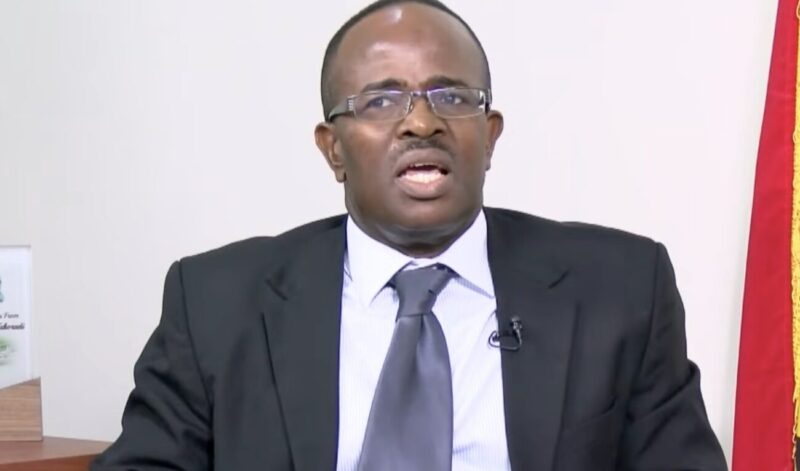
“Over the last few years, we’ve had a collaboration with the Bank of Ghana where part of our gold is sold to them as part of their reserves. This has been voluntary, not compulsory, but we still do it,” Mr Koney explained.
In response to claims that Ghana’s mining sector should bolster its gold reserves more effectively like some non-mining nations, he highlighted a key difference: “Countries that don’t mine gold often have huge reserves, but that’s because they play in a different space.
"Mining companies are not in that business. We bring the foreign exchange into the country to run our operations.”
Read also: Analysis: Ghana’s Gold-for-Oil gamble
He also pointed out that mining companies contribute to the economy by purchasing various inputs, including labour, energy, and consumables, all of which are paid for in cedis.
“You have to pay for labour, energy, and other inputs locally. How do you do that if you don’t bring money into the country? Naturally, a significant portion of revenue comes back,” Koney said.
Latest Stories
-
Walter Mosley visits W.E.B. Du Bois Centre in Accra: A New York Secretary’s homecoming story on where Du Bois spent his final years.
49 minutes -
MTN set to deploy 5G services after winning spectrum licenses worth US$202m
3 hours -
NPP national elections: 3,000–4,000 police to handle security, traffic in Kumasi – Karbo
5 hours -
Atta Akyea fumes as Manhyia MP is to spend another night in EOCO custody
6 hours -
SSNIT says La Beach clearance was to protect hotel investments, beaches to remain public
7 hours -
APSU congratulates St Augustine’s College after back-to-back National Investment Quiz wins
7 hours -
Renewed flood intervention at Mallam Junction raises hopes among residents, businesses
7 hours -
St Augustine’s College retain National Investment Quiz title after nail-biting grand finale
7 hours -
Education infrastructure investment will drive Banda’s development – Ahmed Ibrahim
8 hours -
Teacher unions strike: Gov’t presents fresh proposals as talks end inconclusively
8 hours -
51,000 teachers’ promotion arrears to be validated for October payment – Education Minister
9 hours -
Kwabena Boamah appointed Board Chair for Impact Investing Ghana
9 hours -
Striking teacher unions to meet Fair Wages and Salaries Commission on October 6
9 hours -
EOCO working with AG to arraign Nana Baffour Awuah before weekend court
9 hours -
Duraplast reassures customers after fire, announces October 5 reopening
9 hours