


Audio By Carbonatix
Muhammad Ali was idolised across Africa for his prowess in the boxing ring and for championing the rights of black people. Ahead of his funeral on Friday, the BBC looks at his relationship with the continent:
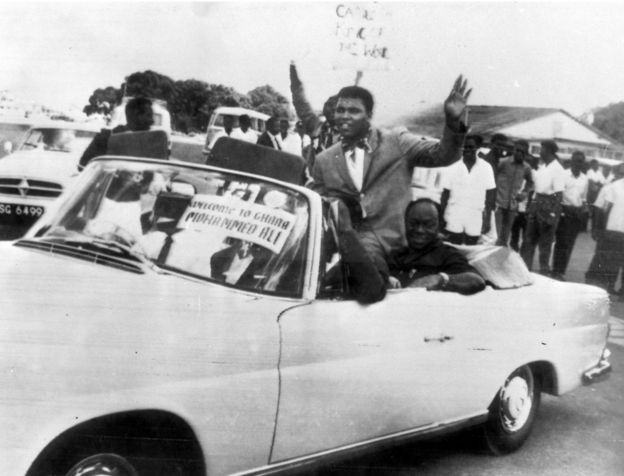
Ali embarked on his first African tour in 1964, saying: "I want to see Africa and meet my brothers and sisters." His visit began in Ghana, the first country in sub-Saharan Africa to win independence from a European power.
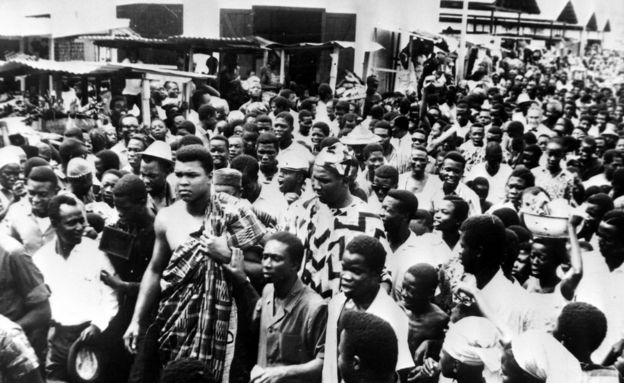 "I am glad to tell our people that there are more things to be seen in Africa than lions and elephants. They never told us about your beautiful flowers, magnificent hotels, beautiful houses, beaches, great hospitals, schools, and universities," he said.
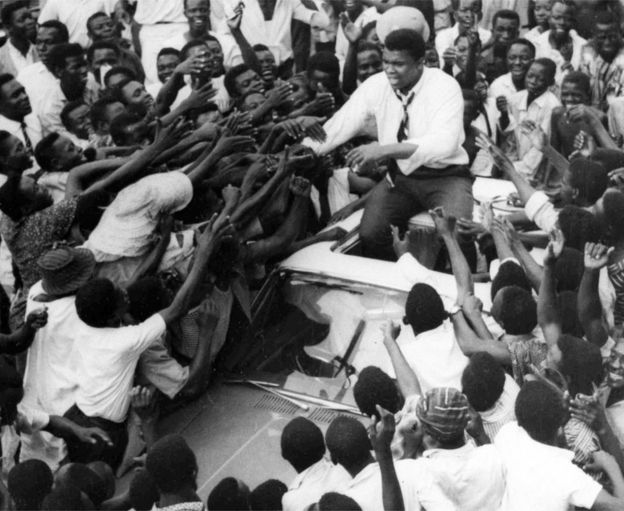 His itinerary included Nigeria, Africa's most populous state, where crowds welcomed him with chants of "king of the world".
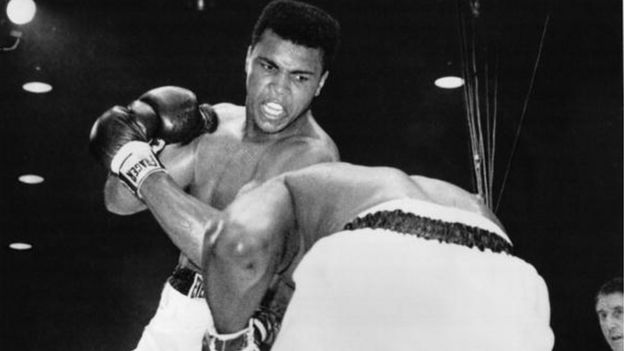 The African trip came in a historic year for Ali - he defeated Sonny Liston to become world champion, dropped his "slave name" of Cassius Clay and converted to Islam.
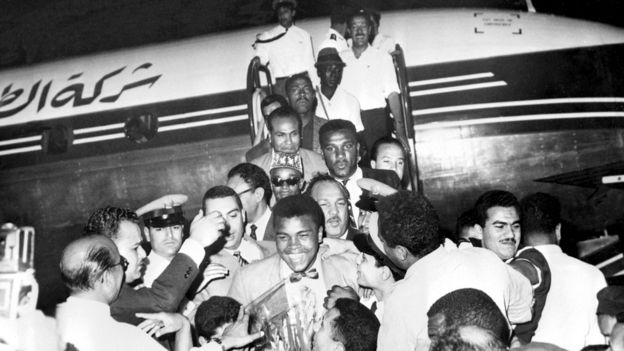
The 22-year-old also visited Egypt, bridging the racial divide in Africa.
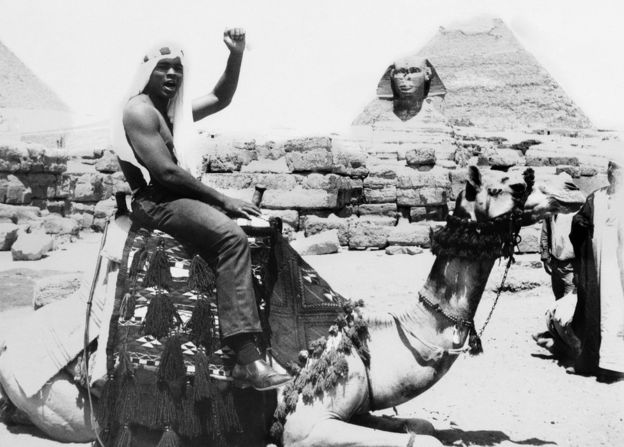
He fused politics and religion, giving the black power salute while shouting in Arabic "God is great" at the pyramids in Cairo.
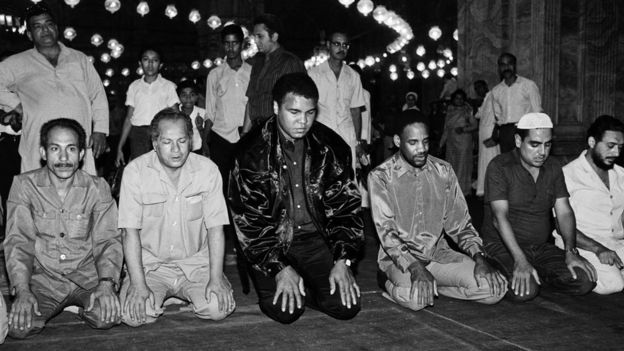 He visited Egypt again in 1986. He once said that if a boxer was to be big, he had to be a Muslim "or else he won't get to nations like Indonesia, Lebanon, Iran, Saudi Arabia, Pakistan, Syria, Egypt, and Turkey - those are all countries that don't usually follow boxing".
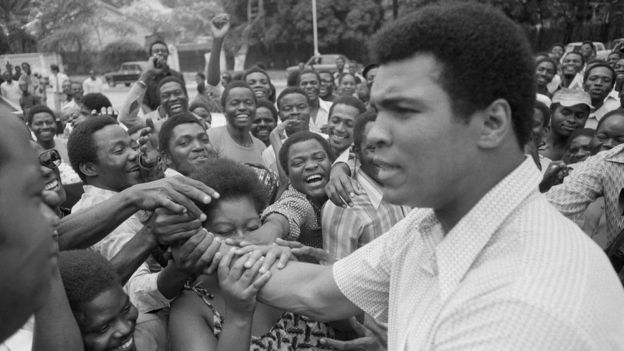
His most famous visit to the continent was in 1974 to Kinshasa, the capital of Zaire (now the Democratic Republic of Congo), for the Rumble in the Jungle fight in which he reclaimed the world title after defeating George Foreman.”‹
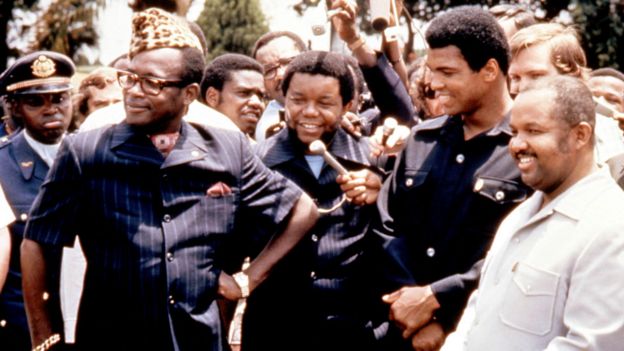 Zaire's then ruler Mobutu Sese Seko (L) arranged the fight, which increased Ali's fame and brought the country to the world's attention. Mobutu agreed to pay $5 million (equivalent to approximately $24 million today) to each fighter.”‹
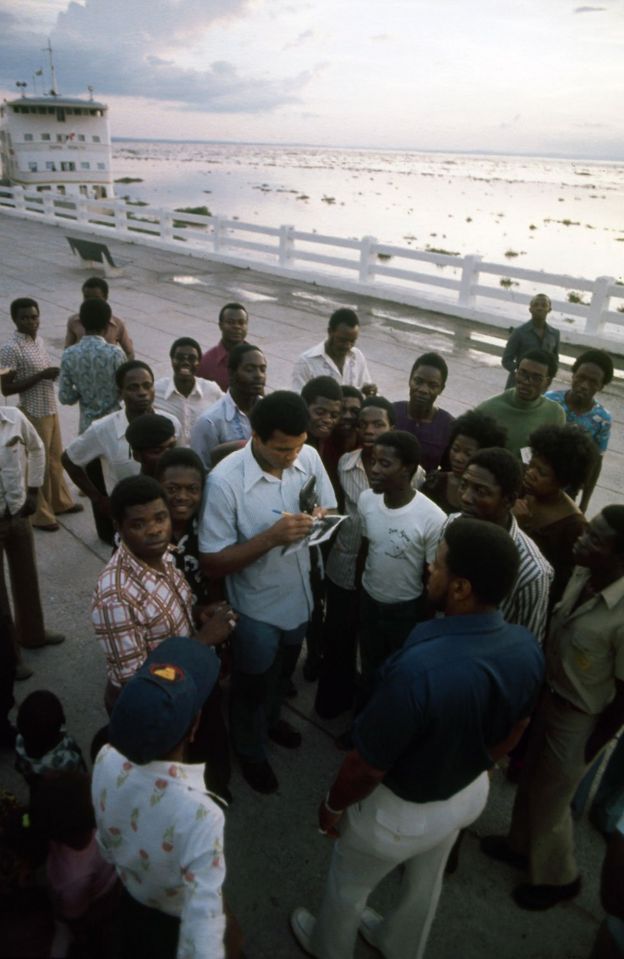
Ali spent time in 1974 training in Kinshasa, built on the banks of the Congo River, getting acclimatised to its tropical climate and attracted crowds of fans when he went out in the city.”‹
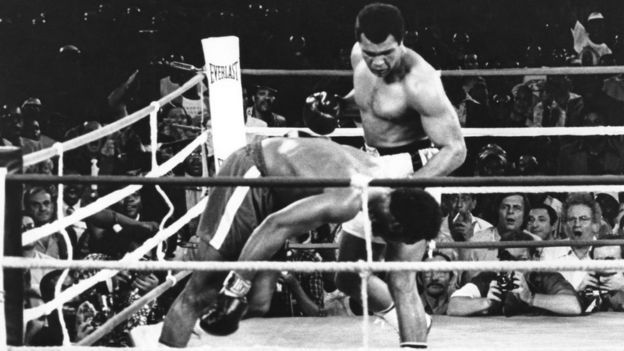
The fight was held at 04:00 local time. Millions watched around the globe on television as Ali entered the ring whipping up the 60,000 crowd, who chanted "Ali, boma ye", a phrase in the local Lingala language meaning "Ali, knock him out".”‹
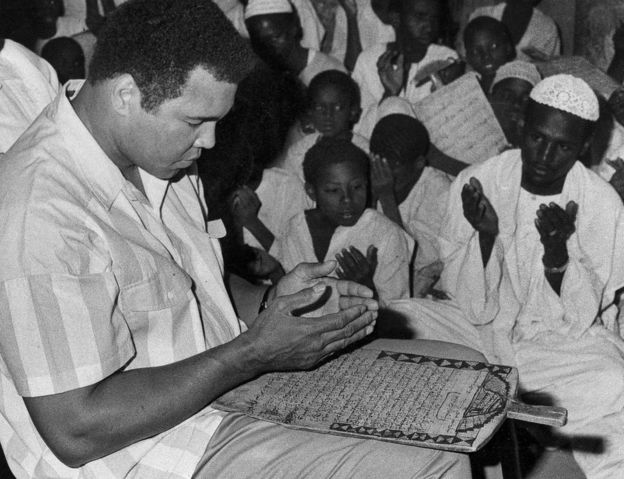
He visited Sudan in 1988, four years after he was diagnosed with Parkinson's disease, to spread the message of Islam as a religion of peace. Here he prays in a Sufi mosque in Khartoum.”‹
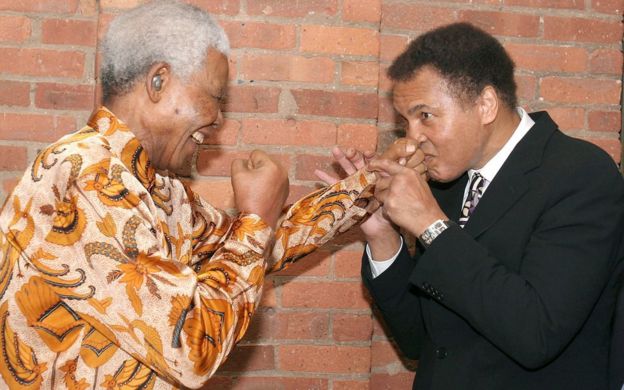 South Africa's first black President Nelson Mandela, who had also been a boxer, once said: "Muhammad Ali was not just my hero, but the hero of millions of young, black South Africans because he brought dignity to boxing." The pair met in 2005.
Latest Stories
-
PZ Cussons Ghana promotes hand washing among schoolchildren through Camel campaign
13 minutes -
30 NDC aspirants file nominations in Upper West as regional election approaches
27 minutes -
UPSA launches laptop assembly plant, requiring new students to assemble their own devices
33 minutes -
UCC sociologist calls for action on gender inequality to end child marriage
34 minutes -
LSN questions Ghana’s proposed five-year presidential term and DCE election reforms
35 minutes -
AFCON 2027Q: Bjorkegren to lead Black Stars for Somalia doubleheader with Tanko and Attram as assistants
37 minutes -
AMA completes road repairs on Kwame Nkrumah Avenue
43 minutes -
Law Students’ Network warns executive dominance could undermine constitutional review
45 minutes -
Mahama to meet relevant stakeholders over concerns about the new Customs Act
53 minutes -
CHASS demands a 20% increase in SHS funding and payment of outstanding debts
55 minutes -
Investigation launched after male body found in County Cork
57 minutes -
We have been scammed by NDC, government is only doing PR – Abanga Fuseini
57 minutes -
Tamale Teaching Hospital records 44 new breast cancer cases in six months
59 minutes -
GES declares October 30 CPD day for private school teachers; learners to observe holiday
59 minutes -
South Korea to support Ghana’s forts and castles restoration with $4.5m over five years
1 hour