

Audio By Carbonatix
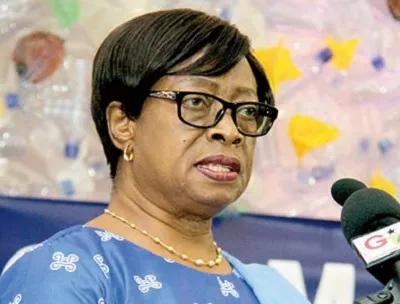
Former Chief Justice Sophia Akuffo is calling for sweeping reforms to Ghana’s judicial system, from how judges are appointed to how they are disciplined.
She argues that the current structure lacks transparency and fuels public mistrust.
Speaking on Channel One TV on Wednesday, November 5, Justice Akuffo said it was time for Ghana to “reconceive the judiciary” to strengthen its independence and restore public confidence.
“I have a passionate view and I have had it for quite a long time about how the judiciary is appointed, because the manner in which the appointment is made leaves a lot to be desired,” she said.
She criticised the existing appointment process as opaque, saying it allows speculation about political interference and favouritism.
“There is not much transparency in the process, and it’s important for that to happen, because otherwise, it leads to all kinds of speculation, that someone got appointed because of this or that, since people may not know the reality of the qualifications and merits of the appointment,” she explained.
Justice Akuffo proposed that Ghana consider models where independent bodies, rather than political actors, oversee judicial appointments.
These bodies, she suggested, should include respected representatives from professional and social institutions selected purely on merit and credibility.
She also questioned the calls to cap the number of Supreme Court justices, stressing that Ghana’s apex court is overburdened because it handles an unusually broad range of cases.
“You can only begin to talk about limiting the number of Supreme Court justices if you also look at the scope and magnitude of the jurisdiction of the Supreme Court.
"For as long as everyone has a right of access, and cases of all kinds keep coming, how can you limit the number of judges?” she asked.
Justice Akuffo contrasted Ghana’s system with that of the United States, where the Supreme Court selectively chooses cases, while Ghana’s “come one, come all” structure has created inefficiency and strain.
She concluded that the path to restoring trust in the judiciary lies in transparency, institutional reform, and a renewed commitment to independence.
“Strengthening judicial independence through transparent appointments and practical reforms is essential to maintaining public trust and the integrity of Ghana’s justice system,” she emphasised.
Latest Stories
-
NC-PTAs welcomes end of teachers’ strike, urges parents to prepare children for Monday
2 minutes -
Government procures over 2,000 transformers as Ghana’s electricity access hits 89.13% – Energy Minister
29 minutes -
UTAG-UG threatens strike on October 19 over unpaid allowance
37 minutes -
Let The Constitution direct Chieftaincy to deliver “All Development Is Local”
2 hours -
John Jinapor outlines renewable energy, nuclear power priorities for 2027
2 hours -
Ghana explores centre of excellence for hearing, communication and cochlear implant care
3 hours -
Schizophrenia-related disorders lead mental health cases recorded in Ghana
4 hours -
Dutch authorities enlist Ghana in hunt for fugitive drug lord Bolle Jos
4 hours -
Ghana housing finance conference adopts communiqué to improve affordable housing access
8 hours -
Special Initiatives Minister urges Wa Technical Institute to enrol more girls as EU-backed solar training lab opens
9 hours -
In the matter of my first year at the Bar
9 hours -
ActionAid Ghana calls for an end to child marriage, greater investment in girls’ rights
9 hours -
Newsfile to tackle World Cup visa scandal, beach demolitions, education strikes, BRICS bid
9 hours -
UK-Ghana Trade & Investment Summit: Trade Resource Centre to help businesses maximise UK-Ghana trade opportunities
10 hours -
Embassy of Denmark celebrates World Maritime Day
10 hours