

Audio By Carbonatix
In 2019, Ghana began vaccinating children who are up to five years against malaria in some selected regions.
The jab, known as RTS, is the world's first malaria vaccine shown to provide partial protection against malaria in young children.
Two years on, the National Malaria Control Program says about 70 per cent of children who were targeted in the Central, Volta, Upper East Region and parts of the Bono Region had received their first dose as of December 2020.
Programme Manager, Dr Keziah Malm says though the number is quite encouraging, it is important for the children to take all four doses of the vaccines as stipulated.
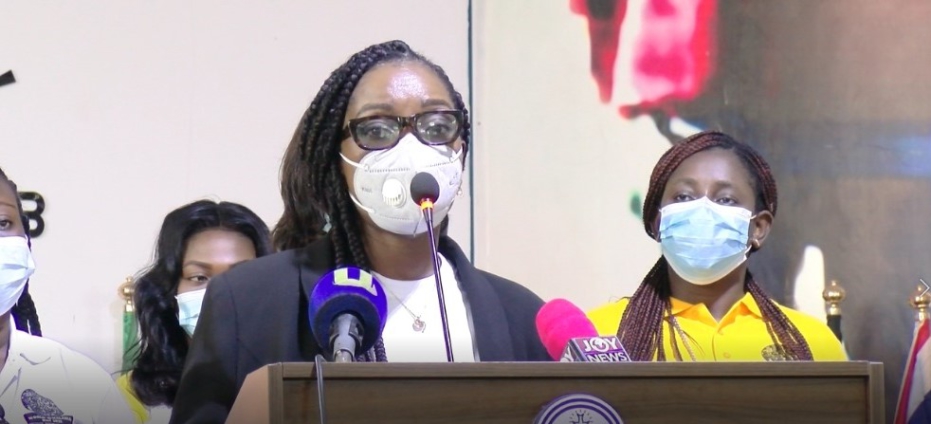
Speaking at a programme commemorating World Malaria Day on the theme; Zero Malaria - Draw the Line against Malaria, Dr Malm noted; “It is going fairly well but it’s expected, that things that you have to come back in the second year of life you get fewer children being brought.”
“But I think we need to put in more efforts to encourage people to come for these vaccines because this is an intervention which is not harmful,” she explained.
Dr Malm is excited about the improvements the country has made so far in reducing malaria-related deaths as she enumerates the interventions which helped the Program attain such grounds.
She noted that “thankfully the nation has been able to reduce the malaria-related deaths by about 89 percent between 2012 and 2020. We have seen improved reporting so we are recording a little over 300 deaths."
“We have also seen improvements in the number of people who sleep under mosquito nets and again, 95 per cent of all malaria cases are being tested to confirm if it is malaria before medications are given.”
Dr Malm is however cautions despite the gains as she notes “we are still recording confirmed malaria cases in the millions at our Out Patients Departments. Last year we recorded over 5 million confirmed malaria cases and that is a number too many.”
Dr Malm is urging everyone to be involved in the fight to reduce malaria cases in the country. The programme has a 5-year target of achieving zero deaths from malaria and also a desire to see a 50 per cent reduction in the cases being reported in health facilities.
That is why Dr Malm is reiterating “there are interventions that can help us reduce malaria. Let’s all adopt and use these interventions so that we don’t get malaria.”
Those interventions include indoor residual spraying and use of mosquito nets.
As part of the interventions, the National Malaria Control Programme will be distributing mosquito nets to everyone in the country this year to create a barrier between you and the mosquito. When you get one, sleep under it.
Latest Stories
-
At least 30 feared dead in crush at Haitian tourist site
27 minutes -
Four arrested over murder of Scottish businessman in Kenya
36 minutes -
New Mainoo deal closer, says Man Utd boss Carrick
47 minutes -
Sinner beats Alcaraz to return to world top spot
58 minutes -
An inappropriate joke nearly ended his career. Now he’s back with more humour
1 hour -
GPL 2025/26: Dreams FC stage stunning comeback to hammer Eleven Wonders
2 hours -
Livestream: The Probe examines Kumasi’s looming water crisis
2 hours -
MTN Ghana gears up to lead Africa’s AI revolution
2 hours -
Philanthropist Alhaji FuZak donates Da’wah bus to Ambariya Sunni community
2 hours -
GUTA calls for suspension of Publican AI system over trade disruptions
3 hours -
TTAG raises alarm over proposed recruitment of 7,000 teachers, demands national posting roadmap
3 hours -
Civilians feared killed after reports of air strike on Nigerian market
3 hours -
Bishop Simon Kofi Appiah installed as new Jasikan Diocese Bishop
3 hours -
Trump’s Strait of Hormuz blockade threat raises risks and leaves predicaments unchanged
3 hours -
US Court backs extradition of former MASLOC CEO Sedina Tamakloe-Attionu to Ghana
4 hours