


Audio By Carbonatix
The Dean of the Kwame Nkrumah University of Science and Technology School of Business, Prof Ahmed Agyapong, has identified key strategies for Ghana’s industrial transformation.
He believes prioritising innovation and technology adoption, infrastructural development and human capital development are crucial in this direction.
He again mentioned environmental sustainable practices, policy and regulatory framework and public-private partnership as areas worth considering.
“Embracing cutting-edge technologies, enforcing technology of innovation is essential to enhancing productivity and efficiency in our industries. We must invest in research and development and current entrepreneurship, and support the digital transformation of business.
“To sustain industrial growth, we need a skilled and adaptable workforce that requires continuous investment in education and training, aligning academic curriculum, web industry, industry needs, and promoting lifelong learning. Trade infrastructure development and robust infrastructure is the backbone of industrialisation. We must prioritise the development of transport networks, energy supply, and digital infrastructure to facilitate smooth and efficient industrial operations.
“Effective and supportive policies are crucial for industrial transformation. We must create an enabling environment that encourages investment, fosters competition, and protects the interests of all stakeholders,”he explained.
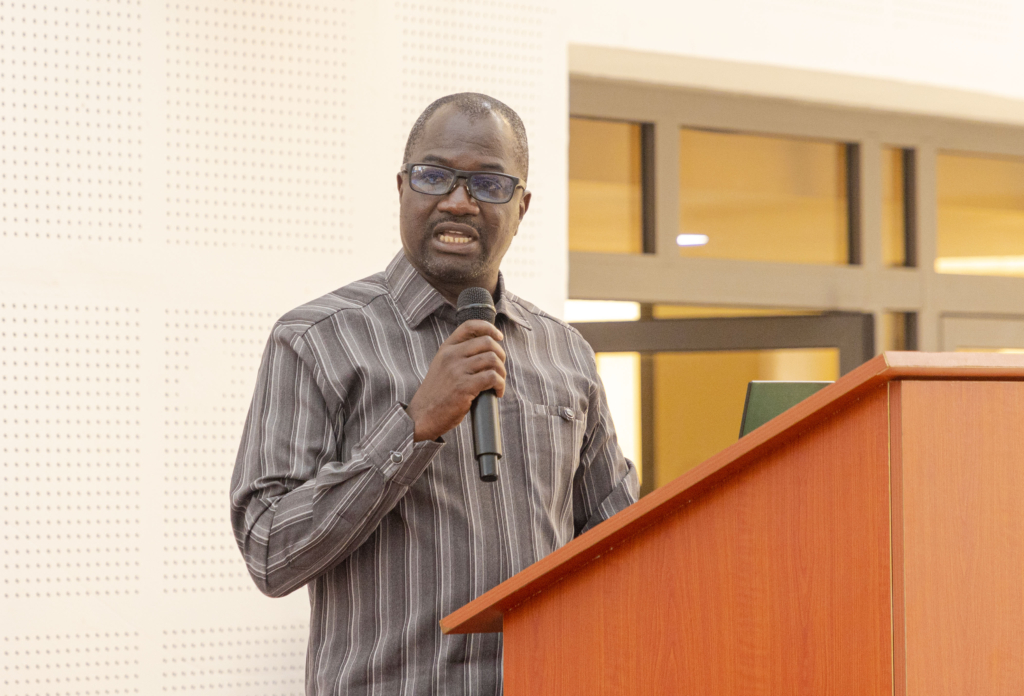
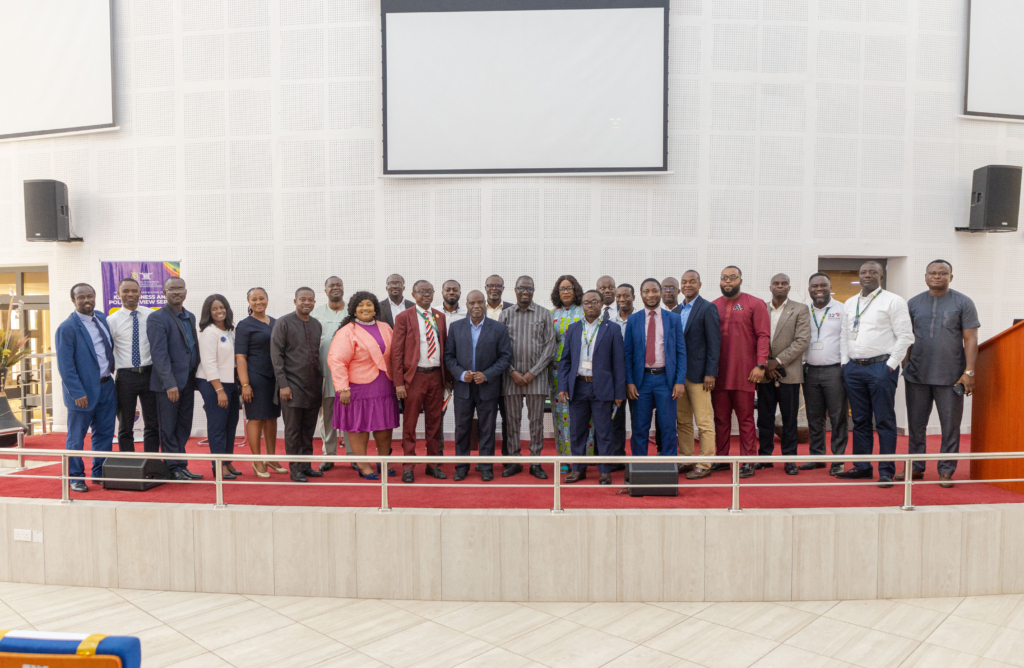
The series which was under the theme: “The industrial transformation of Ghana; Strategic priorities” delved into insights and experiences aimed at Ghana’s industrial transformation.
It featured personalities such as Moses Asaga, a former deputy finance minister, Austin Gamey, CEO of Gamey and Gamey Group, and Seth Twum Akwaboah, CEO of Association of Ghana Industries.
Others are Prof. (Sr) Eugenia Amporfu of the KNUST Department of Economics and Marketing and corporate strategist at KNUST, Dr Samuel Yaw Akomea.
Mr Austin Gamey, who joined via online argued for consensus building to harmonise the country’s human resource and technology.
“We add value consistently to the human resource then we apply that knowledge to ensuring that technology works,” he said.
Mr Moses Asaga on the other hand advocated for a vibrant macroeconomic environment to enable the private sector to thrive.
As more local industries aim to make gains both nationally and abroad, Prof. (Sr) Eugenia Amporfu also called for quality product output. Seth Twum Akwaboah however called for government support in the provision of funds and patenting which he said were crucial.
Latest Stories
-
Stakeholders demand action against foreign-led illegal mining in Ahafo Region
21 minutes -
Ghana handed tricky draw at 2026 Amputee World Cup
29 minutes -
2024 Nyankpala election violence: Youth group petitions authorities over slow probe
33 minutes -
Ghana, UNICEF strengthen partnership to advance child protection
57 minutes -
Day Two of 3rd Republic Bank-JoyNews Habitat Fair ends with great homeownership offers and financing solutions
1 hour -
Guinness Ghana DJ Awards 2026 Pub Fest celebrates Ghana’s DJ culture as Accra turns up the energy
1 hour -
10th woman found dead in South Africa’s string of killings
1 hour -
French Embassy trains Ghana Police CTU in counter-terrorism operations
2 hours -
UPSA uncovers mass results manipulation involving 178 students, over 500 results compromised
2 hours -
ECG announces planned power outages in parts of Tema from Sept. 29 to October 1
3 hours -
Sylvester Mensah urges Latenu FM to promote trade, export opportunities in Ga
3 hours -
Ga language under threat of decline as children shy away from speaking it – Sylvester Mensah
3 hours -
‘Let every Ga child you raise know the Ga language and story’ – Sylvester Mensah
3 hours -
‘We are not deterred’ – Ablakwa responds to backlash over South Africa evacuation
3 hours -
Day Two: Republic Bank-JoyNews Habitat Fair gains momentum at Junction Mall
4 hours