

Audio By Carbonatix
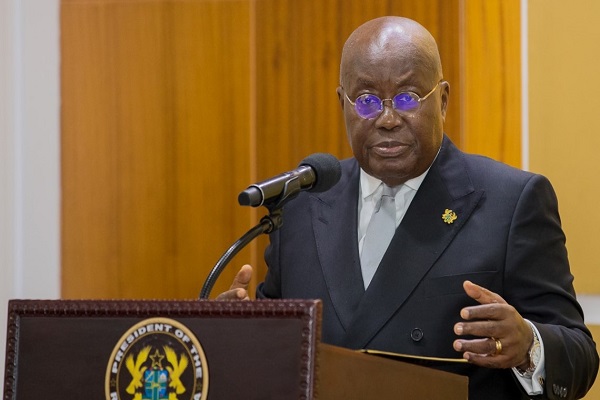
A Governance and Entrepreneurship consultant, Victor Fosu-Boamah, says the President's power to appoint 30 per cent of district assembly members should be taken away and given to the National House of Chiefs.
According to him, successive Presidents have abused the power given to them to appoint assembly members.
He said this needs to be changed if the country is determined to achieve an effective and efficient decentralisation system.
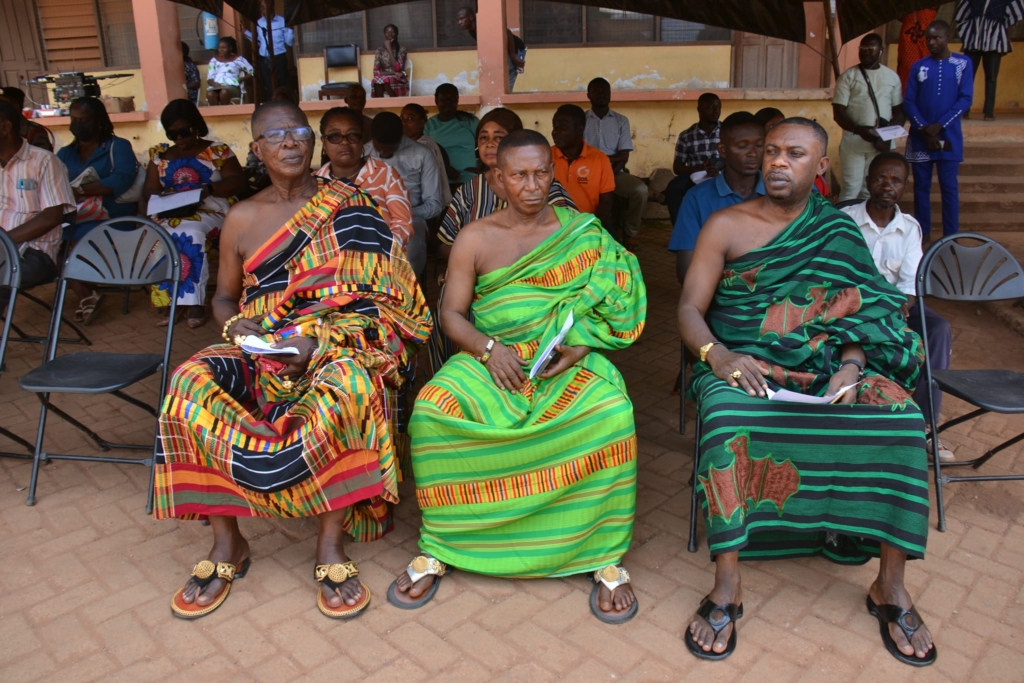
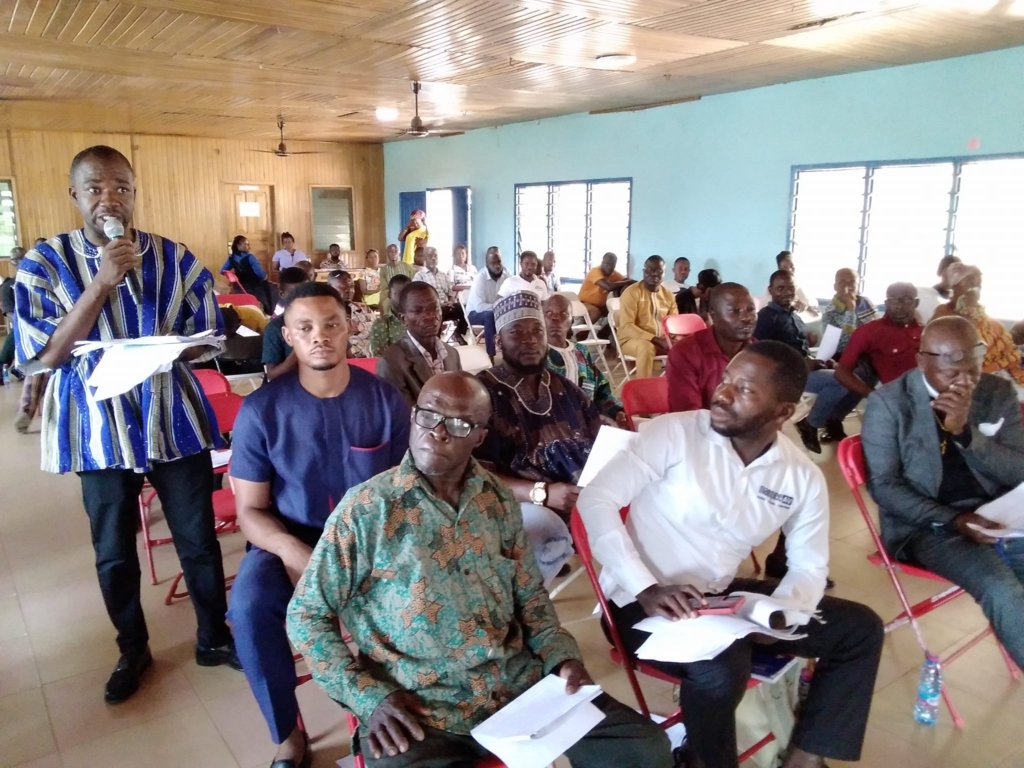
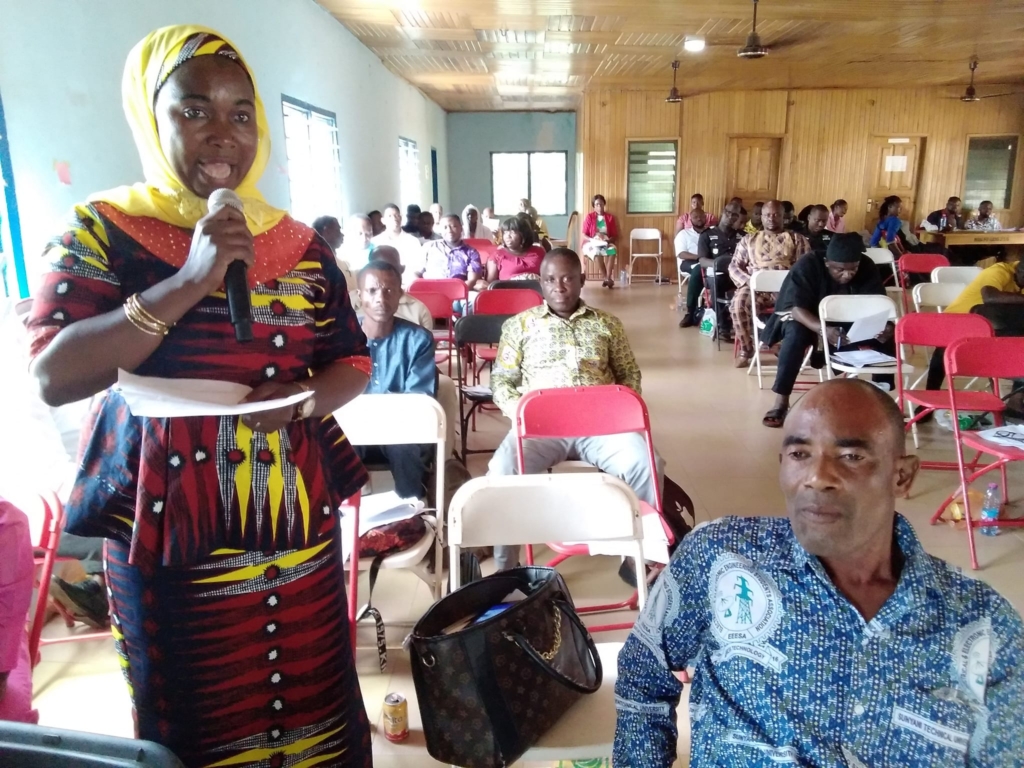
Mr Fosu-Boamah suggested these in an interaction with journalists at a public forum on Ghana's decentralised system in Sunyani.
A consortium of civil society organisations operating within the Bono region organised the forum.
He stated that the power to appoint 30 per cent of assembly members was conferred on the President by the 1992 constitution.
However, political parties in power have used that to reward their members by appointing people who are incompetent to the assemblies.
He cited instances, especially during the reign of the New Patriotic Party (NPP) under President J.A. Kuffuor when such government appointees to the assemblies were sacked or removed en bloc to pave the way for the President to appoint a new set of people only to vote to approve his nominees for the position of District Chief Executive (DCE).
He added that after the approval of the President’s nominee for DCE, the sacked DCEs were re-appointed by the President, which was not helpful to the country's decentralisation process.
Mr Fosu-Boamah recommended that the roles of the Regional Co-ordinating Councils (RCCs), especially in resource allocation, should be revised.
He noted that the responsibilities assigned to and undertaken by the RCCs far outweighed the resources allocated for that purpose.
He said that made it extremely difficult for the RCCs to discharge these assignments, a situation that portrays RCCs as ineffective in performing their functions.
He stated that the passage of the Legislative Instrument (LI) 1961 is significant in the country's local government system.
He added that if the decentralisation system is implemented fully, it will create employment to absorb more unemployed graduates at the district level, which could also bring about a remarkable improvement in the living conditions of the people.
Latest Stories
-
Abass Nurudeen accuses Minority of ‘scandal scavenging’ over World Cup visa controversy
1 minute -
US Embassy recognised NSA, GFA and GTA as separate entities for visa applications – Sports Minister’s aide
8 minutes -
Only 30% of Ghanaian teachers satisfied with their jobs – CAPCOE data reveals
19 minutes -
Communities affected by construction of Akosombo Dam urge government to speed up compensation process
40 minutes -
World Cup visa scandal: Sports Ministry not shielding anyone – Sports Minister’s special aide
1 hour -
World Cup visa scandal: Over 30 people misrepresented as GTA board members to US Embassy – Vincent Assafuah alleges
1 hour -
Fire destroys wooden structure near Yesu Mo Villa at Bush Road
1 hour -
NDC threatens sanctions over oversized campaign posters, gives aspirants 5 days to comply
2 hours -
Star Oil paid GH¢2.7bn in taxes, levies in nine months of 2026
2 hours -
Samson’s Take: The rule of law is cheaper before the bulldozer
2 hours -
GRA blames system failure for delay in issuing receipt over passenger’s customs duty
3 hours -
Livestream: Newsfile discusses World Cup visa scandal, beach demolitions, education strikes, BRICS bid
3 hours -
NC-PTAs welcomes end of teachers’ strike, urges parents to prepare children for Monday
3 hours -
Government procures over 2,000 transformers as Ghana’s electricity access hits 89.13% – Energy Minister
3 hours -
UTAG-UG threatens strike on October 19 over unpaid allowance
3 hours