

Audio By Carbonatix
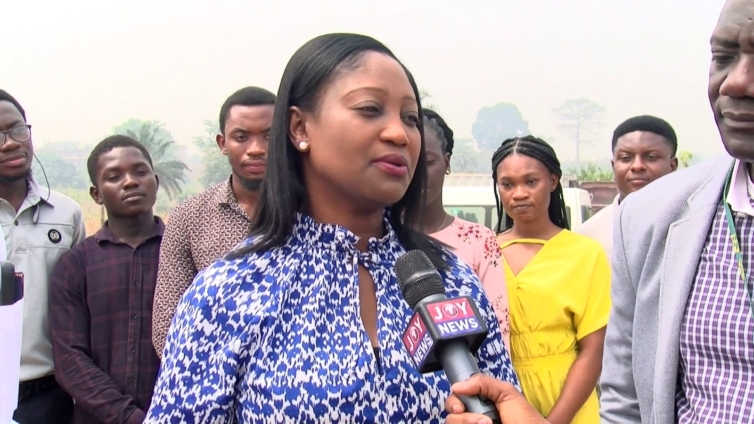
A psychiatrist at Komfo Anokye Teaching Hospital, Dr. Ruth Owusu-Antwi is pointing to a high rate of mental health problems among Ghanaians.
According to the immediate past head of the Psychiatric Unit at KATH, mental health issues have increased over the years, especially during the COVID-19 period.
“We got about 12 thousand cases just in the past year at KATH alone. These numbers have kept increasing over the past 5 years. Covid really took a toll on people’s mental health,” she said in an interview with JoyNews.

She however believes mental health awareness increased during the Covid-19 period and decreased stigmatization.
“Everyone had their own share during Covid and it decreased stigmatization and made everyone aware because it affected everyone,” she stated.
However, she questioned whether people became aware of mental health or people actually experienced it.
“Now the question is, are people really developing mental issues or they only became aware of it. It has become confusing because a lot of conversations have been created around it,” said Dr. Owusu-Antwi.
She noted that people would be able to tell they have a mental health issue if there is a change in their way of life.
“The simple way to know whether you’re going through a mental breakdown is a change. Have you changed from who people know you to be. You are a lively person then suddenly become an introvert or you are a reserved person and all of a sudden become very loud. So the defining word is “Change”.’
Pathologist, Prof Osei Sampene also emphasized the importance of seeking help whenever one notices changes.
“In a few cases, some people may be introverts and become even more reserved. The worst case is that, sometimes it becomes very difficult to see and they may think they’re normal. But sometimes how they even react to simple things may be strange. You need to seek help when you notice these major changes,” he said.
Both health experts believe that a mental health facility in the Ashanti region would be helpful to cater for the mental needs of people in the northern part of Ghana
Latest Stories
-
Ablakwa: Ghana’s Embassies, High Commissions to support World Assemblies of God Congress
1 minute -
Joyce Bawah Mogtari cites infrastructure, healthcare reforms as evidence of Mahama’s development agenda
3 minutes -
Ghana had no single gadget to detect narcotics when we took office – Muntaka
9 minutes -
GES to consult stakeholders on academic calendar adjustments
16 minutes -
Mahama reaffirms commitment to equitable development across Ghana
17 minutes -
Youth employment must remain central to Ghana’s economic reset – Joyce Bawah Mogtari
19 minutes -
Ethnic conflicts, land disputes and illicit drugs remain major security concerns – Muntaka
24 minutes -
Mahama Ayariga visits Kumasi Central Market fire scene to assess damage
28 minutes -
Ghana has 48 legitimate entry points but over 300 illegal crossing points – Interior Minister
41 minutes -
Ghana is much safer now than in 2025 – Muntaka
57 minutes -
Bawku has gone 150 days without gunfire – Interior Minister
1 hour -
It still surprises me GAUA is on strike after signing MoU – Fair Wages CEO
1 hour -
Kumasi Hospital removes 880-gram bladder stone in rare surgical case
1 hour -
Ghana lacks sufficient power generation redundancy – Energy Minister
2 hours -
CPA assures consumers of safety of registered sanitary towels on the Ghanaian market after complaints
2 hours