

Audio By Carbonatix
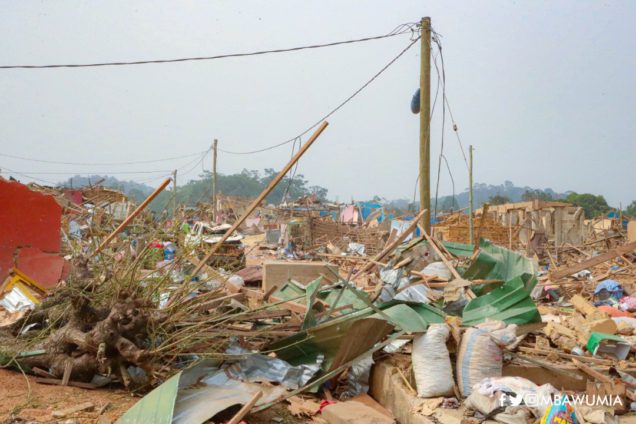
President of the Psychiatric Association of Ghana (PAG), Dr. Ruth Owusu Antwi, has called for swift psychological interventions to be given to victims of the Apeatse explosion.
According to her, some of the residents may engage in risky behaviours to help them cope with their distressing thoughts.
In an interview on the AM Show on Monday, January 24, she mentioned that some also develop psychiatric disorders like depression, anxiety and post-traumatic disorders.
Dr. Owusu Antwi revealed that such circumstances can land them in substance abuse and severe mental challenges if not attended to within a certain period.
“When emergencies like this happen, it causes a lot of devastation to people, their family members and the society at large. What usually happens is that people begin to feel a sense of anxiety, they begin to feel afraid and they live in despair and they begin to have sleep challenges.”
“People are likely to resort to substance misuse because out of anxiety, they resort to unhealthy coping mechanism. Some people will resort to drinking away their worries and fears and eventually land into substance dependence, especially alcohol and sometimes cocaine,” she noted.
She further hinted that some individuals may develop suicidal thoughts after assessing the magnitude of their losses, something she wants stakeholders to urgently pay attention to and address.
“People begin to feel that they have lost their sense of protection in a society that was previously intact. This kind of emergencies can potentially aggravate existing mental health challenges or it can start new mental health challenges.”
“Very worrying again is the high correlation of some of these traumatic experiences and suicidality. Many people, especially the men, who think that their whole fortunes have been shut down by this explosion will decide that there is no worth living again. Suicide is another risk we should quickly look out for and intervene,” she suggested.
Dr. Ruth Antwi, however, noted that it is natural for people to feel scared and extremely afraid, adding that residents of Apeatse are expected to develop acute stress reactions which may later culminate in acute stress disorders.
“I think that we have been a bit slow but this time around, it has been relatively faster compared to other disasters that have been happening. I remember the stadium disaster, I remember the Circle floods and some psychiatric interventions were offered but they did not come in early enough,” she recounted.
Latest Stories
-
Renewed flood intervention at Mallam Junction raises hopes among residents, businesses
14 minutes -
St Augustine’s College retain National Investment Quiz title after nail biting grand finale
22 minutes -
Education infrastructure investment will drive Banda’s development – Ahmed Ibrahim
30 minutes -
Teacher unions strike: Gov’t presents fresh proposals as talks end inconclusively
1 hour -
51,000 teachers’ promotion arrears to be validated for October payment – Education Minister
2 hours -
Kwabena Boamah appointed Board Chair for Impact Investing Ghana
2 hours -
Striking teacher unions to meet Fair Wages and Salaries Commission on October 6
2 hours -
EOCO working with AG to arraign Nana Baffour Awuah before weekend court
2 hours -
Duraplast reassures customers after fire, announces October 5 reopening
2 hours -
Call off strike, gov’t will not renege on promotion arrears pledge – Haruna Iddrisu appeals to teacher unions
2 hours -
Committee set up to validate teachers eligible for 20% deprived-area allowance – Education Minister
2 hours -
Five-member committee to search for new Black Stars coach after Sports Ministry-GFA meeting
3 hours -
Pinktober: Breast cancer survival exceeds 90% when detected early – Breast Society of Ghana
3 hours -
TCDA to adopt Upper West’s MATCO mango farm as northern prototype, issues warning against felling shea trees
3 hours -
‘Fear delegates’ tag: Afoko touts genuineness among delegates ahead of NPP delegates conference
3 hours