

Audio By Carbonatix
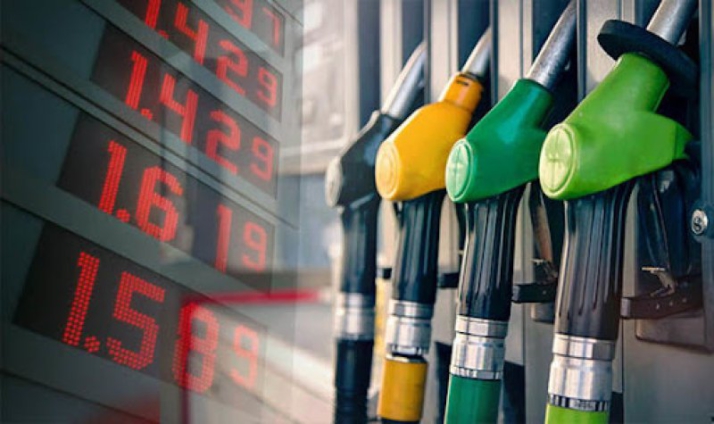
Petrol and diesel prices could hit over ¢8 per litre before mid-2022 if the price of crude oil and the depreciation of the cedi to the dollar maintain their traction on the foreign and local market respectively, the Institute for Energy Security has revealed.
Crude oil is presently hovering around $89 per barrel, whilst the cedi is trading at ¢6.52 against the US dollar.
In a statement, the energy think tank said questioned the credibility of the Price Stabilization and Recovery Levy (PSRL), saying the tax has proven to be unrealistic strategy for bringing down domestic fuel prices
Government from the beginning of February 2022 reinstated the policy which is to cushion losses from petroleum revenue in times of drastic reduction in the price of crude oil on the oil market.
But the IES said three months after the suspension of the levy, domestic fuel prices have risen by more than 9%, to reflect rising international oil and fuel prices, and the fall in value of the local currency.
“The strategy deployed in November 2021 and when average prices of petrol and diesel hit ¢6.52 per litre, was in direct response to mounting pressure on government by Ghanaians, to halt the frequent upward fuel price adjustments.”
“Three months after the suspension of the levy, domestic fuel prices have risen by more than 9% to reflect rising international oil and fuel prices, and fall in value of the local currency. Referenced to today’s Petrol price of ¢7.45 per litre as offered by Total Petroleum and Shell (Vivo), the commodity’s price has moved up by roughly 14%since the PSRL was suspended in November 2021”, he added.
Furthermore, the IES said “but for some political interventions in mid-December 2021, the price of Petrol and Diesel would have crossed the ¢7 per litre mark before the end of year 2021. That desperate move resulted in Ghana Oil Company (GOIL) threatening to pull out of the Association of Oil Marketing (AOMC), after the latter allegedly accused the former of bowing to government’s pressure to reduce its prices, in contravention with of the petroleum downstream deregulated regime’s practices.”
It called for a more sustainable and pragmatic response to the exposures from international oil prices and the foreign exchange market; one that goes beyond the PSRL, since it has become increasingly apparent that Petrol and Diesel prices will likely finish the first-half of the year at record highs.
It concluded saying “whereas the PSRL has proven unsustainable in its present form and substance as validated by IES’ study, the National Petroleum Authority’s incompetent application of same to the realities of the Ghanaian fuel market is a worse cause for worry”
Latest Stories
-
Hotline Documentary: ‘Silent Football’ to air on JoyPrime and JoyNews today
1 hour -
NDPC examines how evidence shapes Ghana’s development planning and policy decisions
1 hour -
Education Ministry calls urgent talks to break GAUA strike deadlock
1 hour -
NCCE engages women in North East Gonja on rule of law, anti-corruption
1 hour -
NDPC reviews 2004 planning guidelines to reflect changes in decentralised system
2 hours -
Trade Ministry commends Prisons Service for using art to drive inmate rehabilitation
2 hours -
Books, brushes and second chances: Dr Abena Asomaning launches three titles to support prison outreach
2 hours -
Treasury bill auction oversubscribed by 53.5% as yields fall across maturities
2 hours -
NPP warns aspirants premature campaigning could jeopardise eligibility for primaries
2 hours -
Ghana courts investors in Bangkok after exit from $3bn IMF bailout
2 hours -
8 arrested over alleged internet fraud initiation assault in Bono Region
2 hours -
SSNIT says Labadi Beach Redevelopment will create local economic opportunities
2 hours -
BoG proposes 30-day liquidity buffer requirement for banks
2 hours -
BoG plans reviews of banks’ cybersecurity compliance
2 hours -
GRA cautions taxpayers against attacking tax officials
2 hours