

Audio By Carbonatix
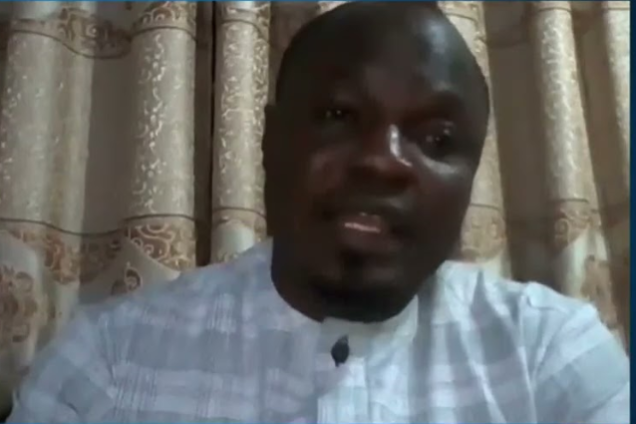
Spokesperson for Public Utilities Regulatory Commission (PURC), Bawa Munkaila has said the Board's consent must be sought before compensating those affected by the erratic power supply.
According to Mr Munkaila, though a panel has been set up to ensure appropriate compensation for customers, "it would still wait for a Boards approval before the utilities can be sanctioned to compensate consumers in that regard so we are still holding on till we get a Board.”
He said although Commission is without a Board, the Secretariat is up and doing in finding solutions to the ongoing problems.
He noted that a vigorous investigation has been done into system on how compensation should be rolled out.
“As a regulatory body, we deal with regulatory standards and industry benchmarks so when it happens like that and you don’t deep through to the root cause of the matter and you end up sanctioning or asking the utility providers to compensate the consumers, you may end up not doing the right thing so that was why we had to go through the investigation come up with the report before we will determine the category or the level compensation that would be given to consumers,” he explained.
Mr Munkaila said compensations would be done of different levels depending on the impact of power outages in ones vicinity.
“It wasn’t the entire country that suffered and even the parts of the country that suffered, it wasn’t everybody who had the impact at the same level and also when you consider the Commissions tariff system, we have a graduation tariff structure that is the lifeline follow up to the next consumption structure through to SLT costumers so when you have all these things the compensation definitely should not be the same," he said.
The Spokesperson indicated that the compensations are usually paid through a form of credit or energy.
His comment comes at the back of the PURC's report concluding its investigations on the causes of the recent erratic power supply which began earlier this year.
The report established a number of factors that led to the challenges in power supply including technical challenges in the natural gas supply network, new transmission infrastructure being constructed on the National Interconnected Transmission System (NITS) and Planned and unplanned maintenance activities on the aspects of the NITS.
Others include reduction in reactive power support in the mid-portion of the country and emergency upgrade and modification works on the NITS to increase reactive power support and improve voltage is in the mid-portion of the country.
Latest Stories
-
Gold edges lower with focus on Fed minutes, rate path clues
8 minutes -
World Bank maintains Ghana’s growth rate forecast at 4.8% in 2026
1 hour -
Cedi was worst African currency in quarter 2, 2026 – World Bank
2 hours -
AI gains can lift three times as many people out of poverty in Ghana – World Bank
2 hours -
Banker in court for allegedly stealing GH¢1 million
4 hours -
Police arrest suspect over jewellery theft during fire outbreak
4 hours -
EOCO returns Hanan’s £6,700, GH¢2,750 and devices after defence challenge
5 hours -
Opplift Youth Entrepreneurs Summit 2026 equips entrepreneurs with skills, mentorship and support
5 hours -
Rival clubs want range of punishments for Man City
5 hours -
Tear gas in Paris and Marseille as school protests grow across France
5 hours -
Kane inspires England to win over Czech Republic in UEFA Nations League
5 hours -
Finland orders halt to work on two Google data centres
5 hours -
Substitute Merino scores twice as Spain win in Croatia
6 hours -
Ronaldo wants Portugal ‘punishment’ but not retiring
6 hours -
White House defends Trump comment to let Iran ‘take out’ LA and San Diego
6 hours