

Audio By Carbonatix
In the heart of Bui, a small town located in the Bono Region of Ghana, the Bui Power Authority’s Hydro-Solar Hybrid plant has made significant strides in revolutionising the energy landscape and propelling local industries forward sustainably.
Ghana, like many African nations, has long grappled with energy access and reliability issues, hindering industrialization in both urban and rural communities. Between late 2012 and 2016, Ghana experienced a severe electricity crisis called “Dumsor”.
This crisis was caused by a drought from the Volta lake that threatened electricity production from the Akosombo dam; Ghana’s largest energy generating station. The crisis triggered a severe power rationing program resulting in heavy load shedding throughout the country. At the height of this crisis, consumers faced at least 16-hour power cuts within every 24-hour period.
Although the country has made significant strides in increasing electricity access to 86% - ranking 1st in Sub-Saharan Africa - the reliability and affordability of power remain ongoing challenges and Ghana still faces persistent power supply challenges.
To address these shortfalls, the Government of Ghana introduced policy interventions in 2019 aimed at boosting the utilization of renewable energy and fulfilling its commitments to achieving Sustainable Development Goal 7 (SDG 7). The key of these interventions was the Government’s Renewable Energy Master plan, which sought to among others, increase the proportion of renewable energy in the national energy generation mix from 42.5 MW in 2015 to 1,363.63 MW by 2030.
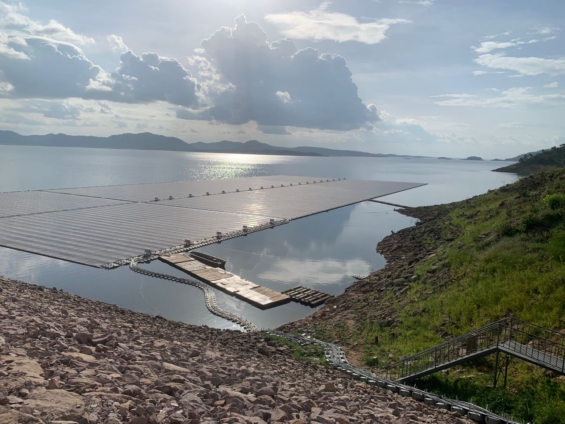
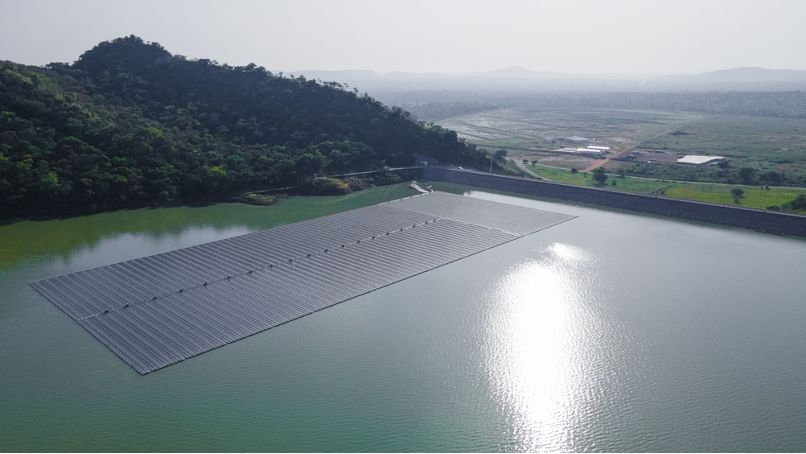
Through this, Ghana integrated some renewable energy solutions into its national grid which also includes a Hydro-Solar Hybrid (HSH) plant at Banda in the Bui enclave. This HSH plant, managed by the Bui Power Authority, has a hydro capacity of 404MW and a solar capacity of 55MW. The plant makes use of Huawei's Smart Photovoltaic (PV) Solution to fuel the national grid which supports communities, factories, enterprises and small-scale businesses of over 24,000 locals in the Banda community.
The locals, whose primary occupation is cashew and sugarcane farming, rely heavily on the energy produced to operate the machinery required for planting, harvesting, and processing these raw materials into valuable end products, such as sugar and cashew oil.
Among these is a Cashew Nut Processing Factory located within the Bui enclave called Bui Cash-U Factory. Covering an expansive area of about 2000 m2, the factory currently, employs about 150 people to process between 6 to 8 tons of cashews daily. Beyond providing employment opportunities, the factory also focuses on equipping locals of the Bono Region in the cashew nut value chain business.
“Through this factory, I have learnt to how to plant, harvest and select the best cashew for processing”, said Afeke, a worker at the factory. She further indicated that the factory provides a stable and better source of income as compared to her previous seasonal job.
Cashew holds significant importance for Ghana, especially in terms of foreign exchange revenue. According to a United Nations Conference on Trade and Development report, the country was the world’s largest exporter of cashews in 2021 earning over $128.70 million from cashew nut exports in the first quarter.
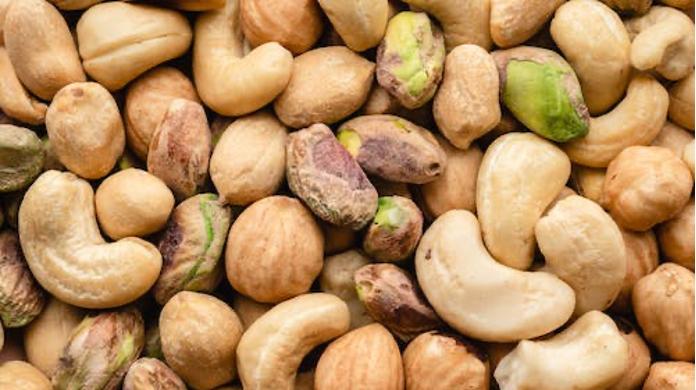
As home to 10 active cashew processing plants, Ghana has the capacity to process 65,000 tons of raw cashews annually. The country’s cashew industry currently employs over 800,000 people directly and indirectly across the cashew supply chain, including farmers, factory workers, buyers, and exporters.
Huawei's Smart PV Solution extends beyond power generation. By collaborating with Meinergy, the owner of the cashew factory and the Bui Power Authority, the company seeks to provide industrial training for 800 locals in the cashew nut value chain business.
Speaking on the subject matter, the First Lady of Ghana, Rebecca Akufo-Addo indicated that, her office remains committed to working closely with industry partners and Huawei, to help bridge the gender divide and transform the lives of Ghanaians.
According to her, “The world is going green and projects such as the Hydro-Solar Hybrid plant fueling activities of a huge cashew factory at a rural town is an indication that Ghana is on the right path towards the realization of a sustainable and eco-friendly digital future.”
In harnessing the power of renewable energy, this initiative not only addresses the nation's energy challenges but also paves the way for economic growth, bringing hope to rural communities and empowering them for a brighter future.
References
- Kupzig, N. and Ackah, C. (2023) The effect of an electricity crisis on firms – a case study of Dumsor in Ghana, SSRN.
- Cashing in on cashews: Africa must add value to its nuts (2021) UNCTAD.
Latest Stories
-
Zambia elevates tourism education to national priority as President Hichilema backs continental summit
18 minutes -
Activa promotes credit insurance to boost SME export growth
19 minutes -
ILTM Africa 2026 opens doors to inbound and outbound luxury travel in Cape Town
23 minutes -
“BP Soul Travel and Tours scored the highest marks” – Sports Minister Kofi Adams endorses agency for World Cup travel
27 minutes -
‘At the age of 12, I was teaching people and collecting money from them’ – Forty Under 40 Awards
2 hours -
I broke my virginity at the age of 26 after university – Richard Abbey Jnr.
3 hours -
Sacked for fees, saved by faith: The untold story of Forty Under 40 Awards founder Richard Abbey Jnr
3 hours -
GCB Bank surges GH¢0.45, ETI gains GH¢0.06 as GSE ends week higher
4 hours -
Two teens jailed 55 years for robbery
4 hours -
UDS demands apology for MPhil student wrongly branded as Tamale robber
5 hours -
“We don’t sell fish!” – Tema Shipyard CEO hits back over dead fish discovery
6 hours -
Sam George defends anti-LGBTQ+ Bill as ‘national priority’ amid debate over gov’t focus
6 hours -
Artemis II astronauts safely back on Earth after trip around moon
6 hours -
Sam George unveils massive 1,150-cell site rollout to end network woes
7 hours -
This Saturday on Prime Insight: Fuel levy suspension, LGBTQ+ legislation, and Damang Mine controversy
7 hours