

Audio By Carbonatix
Tourism education is emerging as a new pillar of economic strategy in Zambia, as the country prepares to host the Travel, Hospitality and Tourism Education Summit (THTES) 2026 from 14 to 16 April in Lusaka.
The summit is expected to carry heightened national significance following confirmation that President Hakainde Hichilema will attend as Guest of Honour.
His anticipated participation signals a decisive shift in how tourism is positioned within Zambia’s development agenda, elevating education and skills development from a sectoral concern to a matter of national economic policy. Industry observers note that this level of presidential engagement reframes THTES from a traditional industry forum into a high-level interface between government leadership, education systems, and the tourism economy.
From Dialogue to Policy Action
Unlike previous editions, which largely focused on professional dialogue within the tourism and hospitality space, the 2026 summit is shaping up as a policy-driven platform anchored at the highest level of government. Government and sector sources indicate that the President’s presence is expected to reinforce ongoing reforms aimed at integrating tourism more firmly into Zambia’s national development framework, particularly through structured investment in education and workforce development.
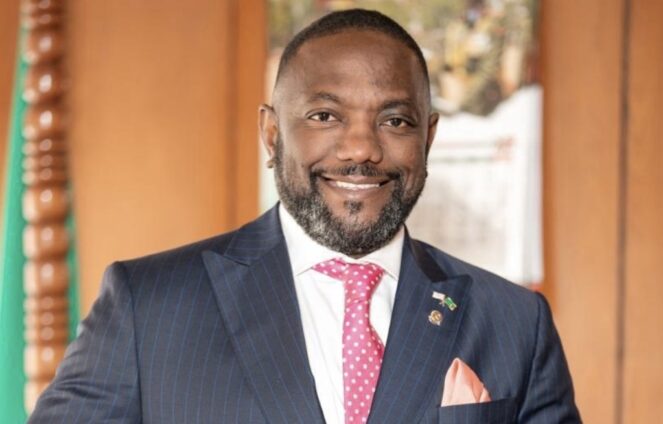
“This summit embodies a shift from dialogue to coordinated action, strengthening alignment between education systems, industry needs, and public policy,” said Honourable Rodney Malindi Sikumba, Zambia’s Minister of Tourism, underscoring the imperative of aligning education with the evolving demands of the travel and tourism sector. His remarks highlight the government’s recognition of tourism human capital as a strategic asset for economic transformation.
Tourism Education as Strategic Infrastructure
The move places tourism human capital alongside mining, agriculture, and energy as a priority sector for long-term planning, signalling recognition that sustainable tourism growth depends as much on skilled people as on infrastructure and natural assets. Analysts suggest that such positioning could unlock stronger inter-ministerial coordination, clearer policy alignment, and improved access to funding for training institutions.
Hosted by the Zambia Institute for Tourism and Hospitality Studies, THTES 2026 will convene government ministers, regulators, academic institutions, private sector operators, and development partners. While the programme will cover curriculum development, vocational pathways, and industry alignment, it is the Head of State’s involvement that is expected to shape the tone and outcomes of the discussions.
A Continental Signal
At the core of the summit is a growing recognition that Africa’s competitiveness as a tourism destination will increasingly depend on the quality, relevance, and scale of its workforce. Zambia’s approach, now receiving presidential attention, positions education not as a supporting function but as strategic infrastructure critical to value creation, service excellence, and long-term resilience.
The summit will also showcase Zambia’s evolving tourism education architecture, including curriculum reforms, strengthened vocational training models, and institutional capacity-building initiatives. With the President’s endorsement, these efforts are expected to gain increased visibility among international partners, investors, and development agencies seeking to support skills-led economic growth.
Beyond Zambia, President Hichilema’s participation sends a broader continental signal. It positions the country among a small but growing group of African states elevating tourism education to the highest levels of policy discourse. This comes at a time when many destinations are reassessing their tourism models, shifting focus from visitor numbers to productivity, local participation, and skills development.
THTES 2026: A Turning Point for Africa
As Lusaka prepares to welcome delegates from across Africa and beyond, THTES 2026 is increasingly being viewed as a potential turning point — one where tourism education moves from the margins of policy discussion to the centre of Africa’s tourism and economic transformation agenda.
Latest Stories
-
Trump says he is considering firing US ambassador to Greece
3 hours -
Man City bananas ‘brought fun back’, says Varadi
4 hours -
Meta releases Muse Wonder AI models to challenge Anthropic and OpenAI
4 hours -
Daily Insight for CEOs: The CEO as Chief Decision Maker
4 hours -
Burnham had formal meeting with Man City chair while mayor
4 hours -
Is Ghana producing too many lawyers? What is the best lawyer-to-citizen ratio?
4 hours -
NDC sinking Ghana’s democracy with Emelia Agbenyo’s appointment – Miracles Aboagye
4 hours -
Seedorf back in football as Corinthians head coach
4 hours -
Hincapié and Zubimendi injured in post-match training session
4 hours -
Fridges in French supermarkets hit by cyberattack
5 hours -
Qantas flight grounded after bedbug outbreak
5 hours -
Reality Zone with Vicky Wireko: International Day of the Girl, shaping today’s girl for tomorrow’s future – ZONTA Clubs lead the way
5 hours -
Global health must be led by countries, not designed for them – Mintah Akandoh
6 hours -
Mahama honoured at 2026 World Health Summit in Berlin for global health leadership
6 hours -
Breast cancer is not a death sentence – Besease Kontire Obaapanin, Magmina Foundation lead awareness campaign
6 hours