

Audio By Carbonatix
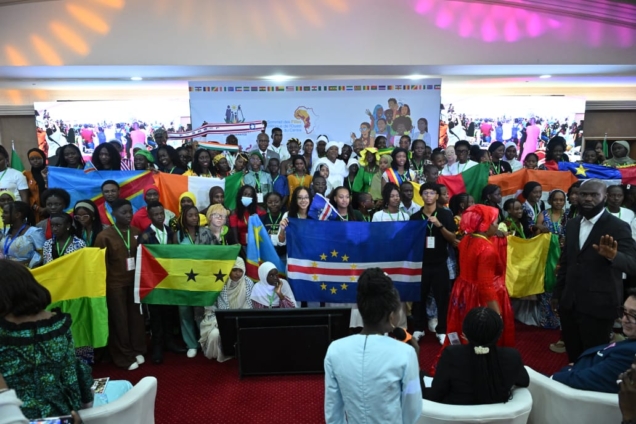
Adolescent girls from across West and Central Africa (WCA) convened in Dakar on October 10-11, 2025, for the inaugural Regional Girls' Summit.
The summit, organised by UNICEF and the Government of Senegal, and coinciding with the International Day of the Girl, culminated in the adoption of the "Dakar Declaration and Program of Action for Girls in West and Central Africa."
This essential roadmap, girl-led, demands urgent action from leaders to secure their rights and transform their future.
Supported by adolescent boys, the girls demonstrated their fervent determination to reshape the narrative for the region's 75.5 million adolescent girls. The summit marked a crucial turning point, emphasising that girls, no longer content to be mere beneficiaries, are now at the forefront of change.
A Region Facing Deep-Seated Challenges
West and Central Africa continues to grapple with some of the world's most severe challenges for adolescent girls: limited access to education and health services, pervasive gender-based violence, early marriage, and discriminatory social norms. These issues are exacerbated by climate crises, conflicts, and economic instability.
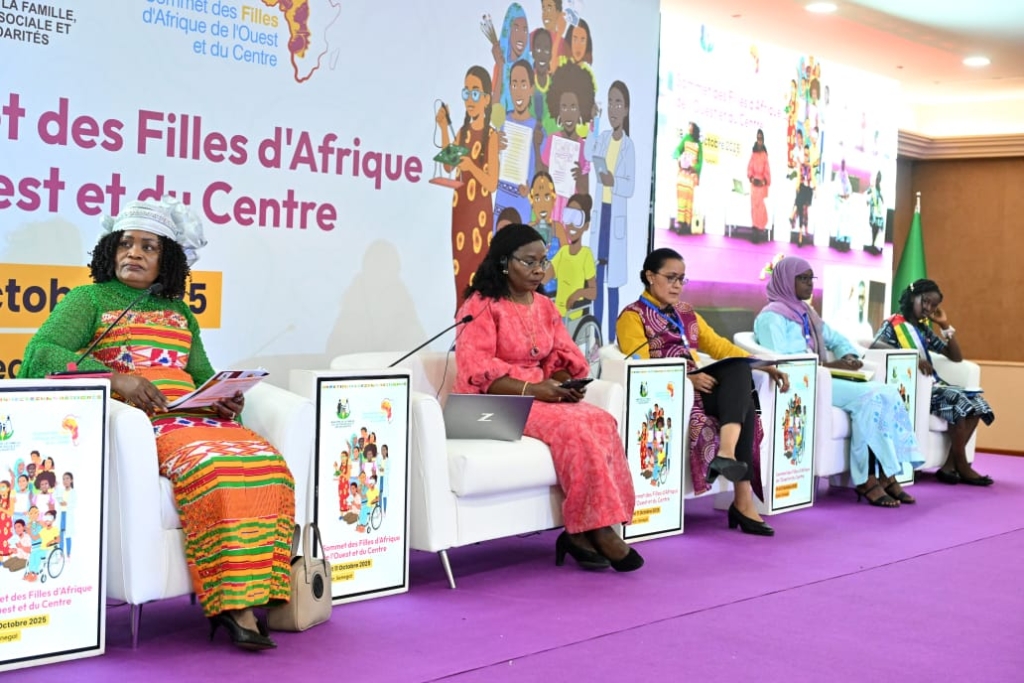
UNICEF Regional Director, Gilles Fagninou, underscored the severity of the situation: “The statistics on well-being are the worst when we compare West and Central Africa to other regions of the world.”
Nevertheless, he insisted on the potential for transformation: “Where there is a small opportunity for the girl, the return on investment for the community or country, for the region and for the world, has been unparalleled.”
A Summit Forged by Girls, For Girls
This summit distinguished itself through its fundamentally participatory and girl-led approach. National consultations took place across 24 countries, guided by a Girls’ Advisory Group.
- Lelengda Tchakebera (16, Togo) clearly articulated the expectations: “What I expect as an outcome is that all the laws passed in our different countries will be translated into concrete actions for an effective fight for the protection of children.”
- Isabel (Equatorial Guinea) added: “We want to be included when our history is written, because our voices matter.”
- Maimouna Dièye, the Senegalese Minister, hailed the groundbreaking nature of this “unprecedented partnership with girls,” noting that the Agenda would be “carried by girls, for girls.”
The Dakar Declaration: Six Priority Axes
The Declaration firmly articulates six priority action areas, aligned with the 30th anniversary of the Beijing Platform for Action and Agenda 2063:
- Right to Education: Demanding equal and secure access to quality education.
- Right to Health and Well-being: Advocating for confidential and affordable health services.
- Right to Water, Sanitation and Hygiene (WASH): Insisting on safe sanitation facilities and reducing the burden of water collection.
- Right to Protection: Demanding an end to Female Genital Mutilation (FGM) and child marriage (with the legal age set at 18), and strict laws against violence.
- Right to Participation and Information: Calling for active inclusion in local and national decision-making spaces and protection against online harassment.
- Fight against Climate Change: Recognizing its disproportionate impact on girls and calling for their inclusion in climate action plans.
High-Level Commitments: A "Binding Roadmap"
UNICEF Deputy Executive Director, Omar Abdi, urged for measurable progress, saying “We must not leave this meeting and come back after two years to start from where we were, but rather have a clear measure of progress.”
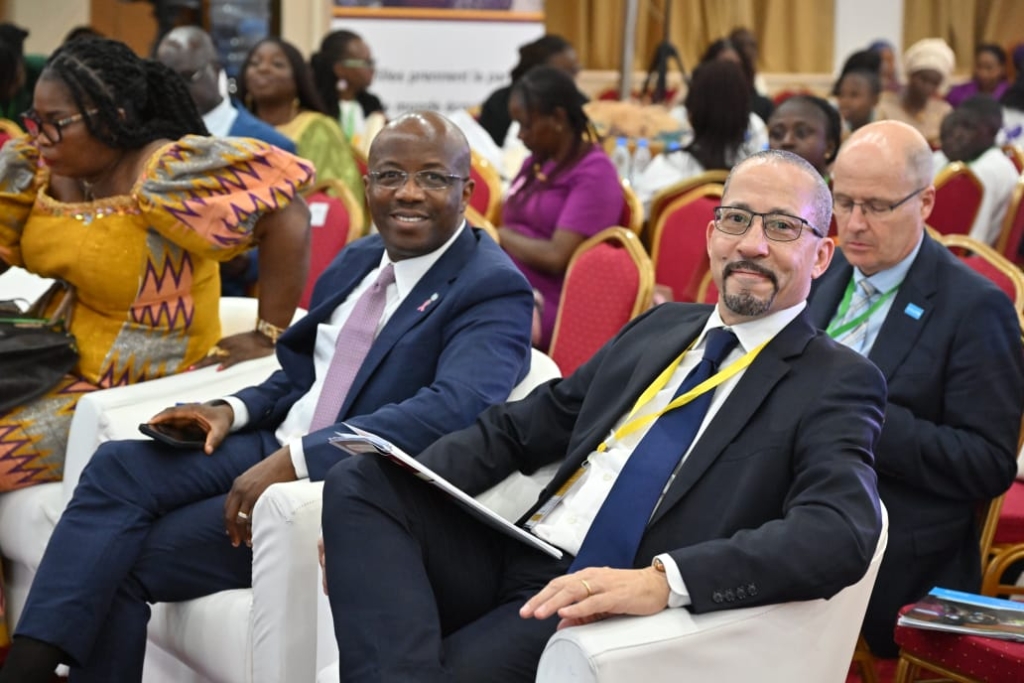
Prime Minister of Senegal, Ousmane Sonko, through his Minister of Family and Solidarity, made a solemn commitment to widely share the Dakar Declaration within the government, form a reflection committee for its implementation, and called on all states and partners “not to make it a simple document, but a binding roadmap.”
This commitment was welcomed by the young leaders. Shekina (Congo Brazzaville) commented: “The statement that was read clearly shows that they took it into account. Once in my country, I will continue to raise awareness and motivate girls.”
Similarly, Sampson W. Tweh (17, Liberia) marked a crucial shift in mindset by stating: “The Summit made me understand that we boys are not supporters of girls but allies.”
The first Regional Girls' Summit in West and Central Africa is a foundational act. The "Dakar Declaration and Program of Action" is now a living document that demands resources and solid political will.
The urgent call that “girls' rights cannot wait” signaled the end of rhetoric and the beginning of an era of decisive action, guided by the voice of adolescent girls.
Latest Stories
-
I don’t think we have an industry – Patchbay Band manager
12 minutes -
Patchbay Band questions recognition of live bands in Ghana’s music industry
12 minutes -
Newsfile to discuss SOEs’ GH¢19.8bn profit, dissolution of 9 boards, CJ’s visits to SOEs, GH¢70k gift rejection
21 minutes -
BoG warns against spraying, defacing and using cedi notes for decorations
24 minutes -
Adwumawura: Selected applicants to receive notifications from today – NEIP CEO
28 minutes -
‘Fake memo’ fabricated to smear me – Patricia Appiagyei
42 minutes -
ATLF206: Culture, investment and tourism take centre stage as Africa’s tourism leaders gather in Polokwane
1 hour -
TI-Ghana and GACC demand full disclosure over alleged GH¢70,000 Appointments Committee payment
2 hours -
UN approves resolution in support of map that shows Africa’s true size
2 hours -
Spring Agro Industries urges Ghanaians to choose local rice as imports dominate market
2 hours -
Youths in Oti push for stronger policies on SRHR and gender-based violence
2 hours -
Rev Samuel Anthony Kofi Dunya calls for stronger action against child labour and trafficking
2 hours -
Where the bins are missing: How poor waste management is affecting Ghanaian communities
2 hours -
Joy FM Back-to-School Fair 2026 draws shoppers as Day One winds down
2 hours -
AfriYAN Ghana calls for greater youth participation in local governance
2 hours