


Audio By Carbonatix
Access to clean water remains a major challenge for poorer urban residents, particularly in rapidly growing cities like Kumasi. Despite water being a basic necessity, many low-income earners in the Greater Kumasi Metropolis face daily struggles to secure this essential resource.
In response, scientists from the University of Copenhagen and the Kwame Nkrumah University of Science and Technology (KNUST) have launched a five-year study to examine how vulnerable communities adapt to changing climatic conditions to access potable water.
The research, part of the Multiple Waterscapes in Urban Ghana (MUWUG) project, seeks to uncover the complex socio-environmental and infrastructural barriers affecting water accessibility in the face of intensifying urbanisation and climate variability. The study will focus on three suburbs: Asawase, Ejisu and Ayoum.
As Kumasi grows hotter and rainfall becomes more unpredictable, low-income residents are increasingly feeling the effects of a worsening water crisis.
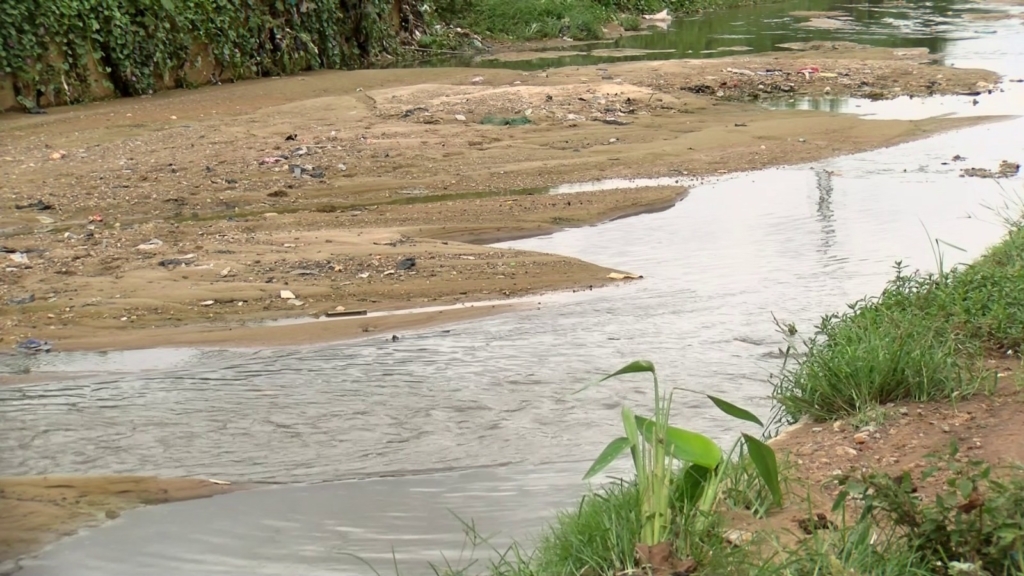
Asawase, a densely populated enclave, is home to many of the city’s low-income earners. In the past, residents relied on the Pelele stream for drinking water. “We used to drink from the stream in the 60s. But it’s no longer drinkable,” said Nana Kwabena Pong, who has lived in the area for nearly five decades.
Today, the stream is choked with sludge and pollution, its appearance closer to hot chocolate than potable water. Poor sanitation, dumping and the effects of urban sprawl have rendered it unusable.
The situation is even direr during the harmattan season.
“Sometimes it’s difficult to get water, especially for those of us living up the hill,” said Harun Abdul Rashid, an assembly member for the area.
Although peri-urban centres are generally expected to benefit from greater water infrastructure, access remains a significant challenge. The Ghana Water Company Limited (GWCL) estimates that over 40 per cent of treated water is lost due to leakage, theft, and metering inefficiencies.
Investment in water infrastructure is also lacking, while urban planning often overlooks the needs of poorer communities.
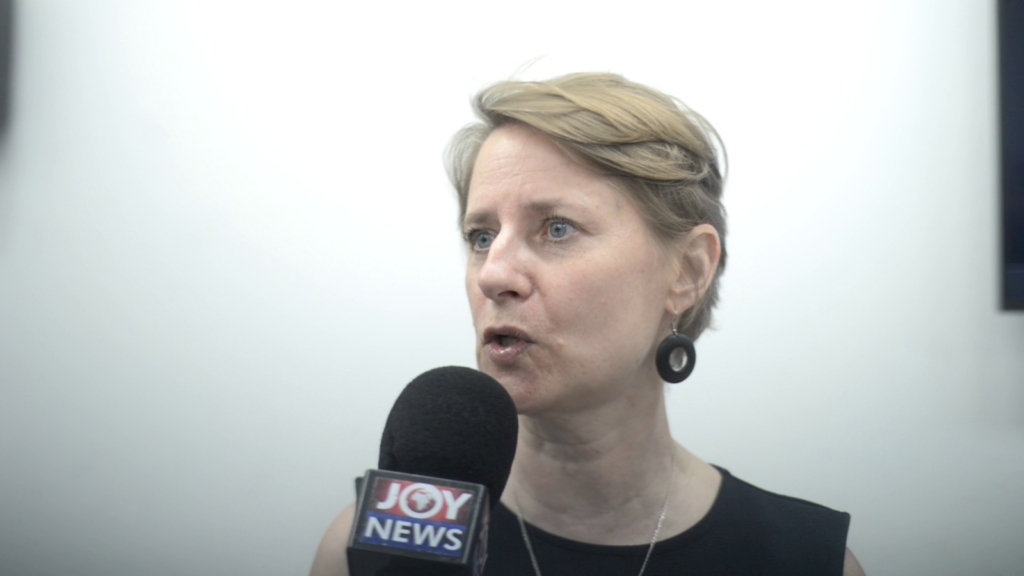
Professor Karen Lauterbach, the study’s principal investigator from the Centre of African Studies at the University of Copenhagen, highlighted the link between climate change and water accessibility.
“Rainfall patterns are changing, and that has an impact on the places we draw water. Some areas witness flooding, and that can pollute water sources. Climate change exacerbates the pressure on water accessibility,” she explained.
The findings from the MUWUG project are expected to inform policy interventions that promote equitable water access and climate-resilient planning for Ghana’s urban poor.
Latest Stories
-
80–90% of gold purchased and exported is now refined in Ghana– Sammy Gyamfi
11 minutes -
Dichemso M/A teachers go house-to-house to get absent pupils back to class after strike suspension
15 minutes -
Meet Dr Hazel and Nhyira: Mother and daughter called to the Ghana Bar
17 minutes -
Black Star Fashion Week: Can Ghana turn the runway into a tourism attraction?
18 minutes -
Ghana sends 61 health workers to Grenada under Labour Export Programme
30 minutes -
Central banks should avoid reacting too strongly to headline inflation – IMF
37 minutes -
Kumasi: One injured, shops destroyed in Atasemanso fire in Kumasi
50 minutes -
Global economy proving resilient, growth projected at 3.1% in 2026 – IMF
54 minutes -
NDC targets all 6 parliamentary seats in Ahafo Region for 2028
57 minutes -
Ghana targets thousands of overseas nursing jobs under Labour Export Programme
59 minutes -
Pius Hadzide explains why Sports Ministry always attracts scandals
60 minutes -
APL says GoldBod terminated US$1bn Goldstream deal over failure to meet obligations
1 hour -
Daily Insight for CEOs: Making better decisions under pressure
1 hour -
Weta rice farmers seek urgent support after floods destroy crops
1 hour -
Mahama commits GH¢200m in 2027 Budget to complete Police Hospital expansion
1 hour