

Audio By Carbonatix
The Chief Executive Officer of the Ghana Gold Board (GoldBod), Sammy Gyamfi, says between 80 and 90 percent of the gold purchased and exported by the institution is now refined locally before shipment.
He said the development was helping Ghana retain more economic value through job creation, refining fees and the use of silver, a by-product of gold refining, to support the country’s fabrication industry.
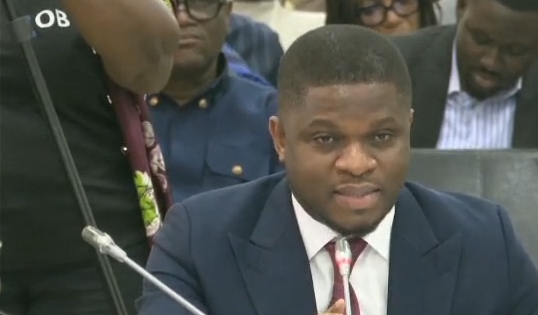
Speaking before the Public Accounts Committee (PAC) on Tuesday, October 13, Mr Gyamfi said GoldBod was on course to meet and potentially exceed its 2025 gold purchase and export targets, while substantially surpassing its foreign exchange generation performance for the year.
He said increased local refining was changing Ghana’s approach to adding value to its mineral resources, noting that refining gold locally before export was not the norm before the establishment of GoldBod.
“I’m happy to report to this Honourable Committee that, as we speak, about 80 to 90 per cent of the gold we purchase and export is refined here locally,” he said.
Mr Gyamfi said the shift was creating employment opportunities for young people, as local refineries operated around the clock to process gold.
“That means jobs for the teeming unemployed youth, because these refineries are operating 24/7, employing Ghanaians,” he said.
He added that local refining was helping to retain money within the Ghanaian economy, as fees that would otherwise have gone to overseas refining destinations were now being paid to domestic operators.
The development, he said, was helping Ghana benefit beyond the extraction and export of raw gold by retaining more of the economic value generated along the gold supply chain.
Silver by-products support local industry
Mr Gyamfi also highlighted the benefits of retaining silver, a by-product of gold refining, within the country.
He said the silver recovered during the refining process was being sold to generate foreign exchange and used to support Ghana’s fabrication industry.
According to him, the approach was helping the country derive additional value from its mineral resources while supporting related industrial activities.
By refining more gold locally, Ghana can retain the fees associated with processing the metal and benefit from the by-products, rather than allowing those economic opportunities to accrue to foreign markets.
Mr Gyamfi described the developments as progress towards strengthening local participation in the gold value chain.
“So, so far, much better,” he told the committee.
Latest Stories
-
Financial wellness key to retaining Ghana’s skilled workforce – Merban Capital CEO, Benjamin Ackah-Nyamike
48 seconds -
Sidney Nii Oko Bampoe & Isaac Akuetteh Addo
8 minutes -
Haruna Iddrisu calls for ‘Big Push’ investment in health, education, sports and agriculture
8 minutes -
Ghanaian youngster Prince Amoako Jnr reaches new milestone with FC Nordsjælland
11 minutes -
Ho Teaching Hospital to get cardiology centre under Ghana Medical Trust Fund
13 minutes -
PAC pushes for effective use of GH¢25m by Tree Crops Development Authority
15 minutes -
UK MEET Fellowship challenges journalists to look beyond AI hype
18 minutes -
Kurt Okraku’s regime has ‘failed to perform’ – Kudjoe Fianoo demands resignation of GFA Executive Council
18 minutes -
Afenyo-Markin’s influence is limited by minority numbers in Parliament – Haruna Iddrisu
20 minutes -
Police administration is doing a yeoman’s job – President Mahama
23 minutes -
GoldBod tells PAC Bank of Ghana authorised its foreign exchange transactions
24 minutes -
GCB customers call for more frequent engagement with bank leadership
28 minutes -
Dark Signals: The death trap of non-functioning traffic lights along Asokwa-Aputuogya Road
30 minutes -
80–90% of gold purchased and exported is now refined in Ghana– Sammy Gyamfi
48 minutes -
Dichemso M/A teachers go house-to-house to get absent pupils back to class after strike suspension
51 minutes