

Audio By Carbonatix
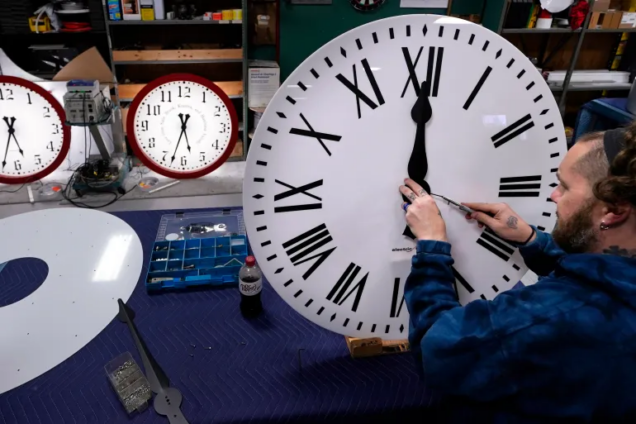
As the seasons change and the days grow shorter, the United States is gearing up for the annual ritual of "falling back" and "springing forward." On Sunday, November 5, Americans will move their clocks one hour ahead, marking the end of Daylight Saving Time (DST). While the practice of adjusting the clocks may seem routine, it has a rich history and raises questions about its economic impact, as well as what citizens and the rest of the world should know.
A brief history of DST
The idea of Daylight Saving Time dates back to the late 19th century, with various proponents advocating for the adjustment of clocks to make better use of natural daylight. The first instance of DST in the United States was implemented during World War I, aimed at conserving energy resources. It made a return during World War II and was formally established by the Uniform Time Act in 1966. DST has been a consistent part of American life since then.
Economic impact: Beneficial or burden?
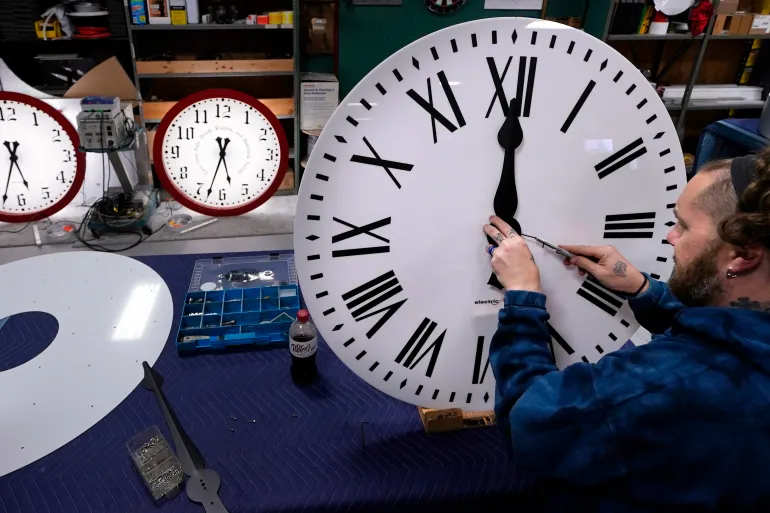
The economic impact of Daylight Saving Time remains a topic of debate. Proponents argue that DST can lead to energy savings, with reduced electricity consumption for lighting and heating. It also provides extended daylight hours for outdoor activities, shopping, and tourism, potentially boosting local economies. However, research on these benefits remains inconclusive, and some studies suggest that the energy savings are relatively modest. The impact on health and productivity due to sleep disruptions during the clock change is another point of concern.
What must people know and do?
With the upcoming shift to Daylight Saving Time, here are some important things for Americans to keep in mind:
- Turn Clocks Forward: On the night of November 4, set your clocks one hour ahead. It's also an excellent opportunity to check and replace the batteries in smoke detectors.
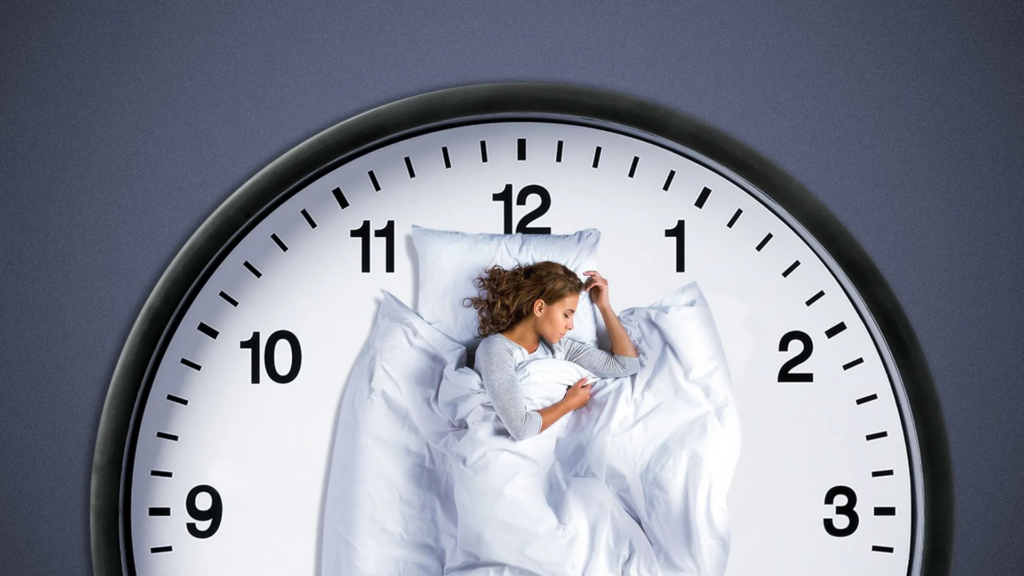
- Adjust Schedules: Be prepared for the change in time, as it can affect your daily routine. Plan for a potential loss of sleep and take steps to adjust your schedule gradually.
- Check Local Laws: Not all states in the U.S. observe Daylight Saving Time. Be aware of your state's regulations and whether you need to adjust.
- Be Cautious on the Road: The change in time can lead to drowsy driving in the days following the switch. Be extra vigilant on the road and consider getting more sleep.
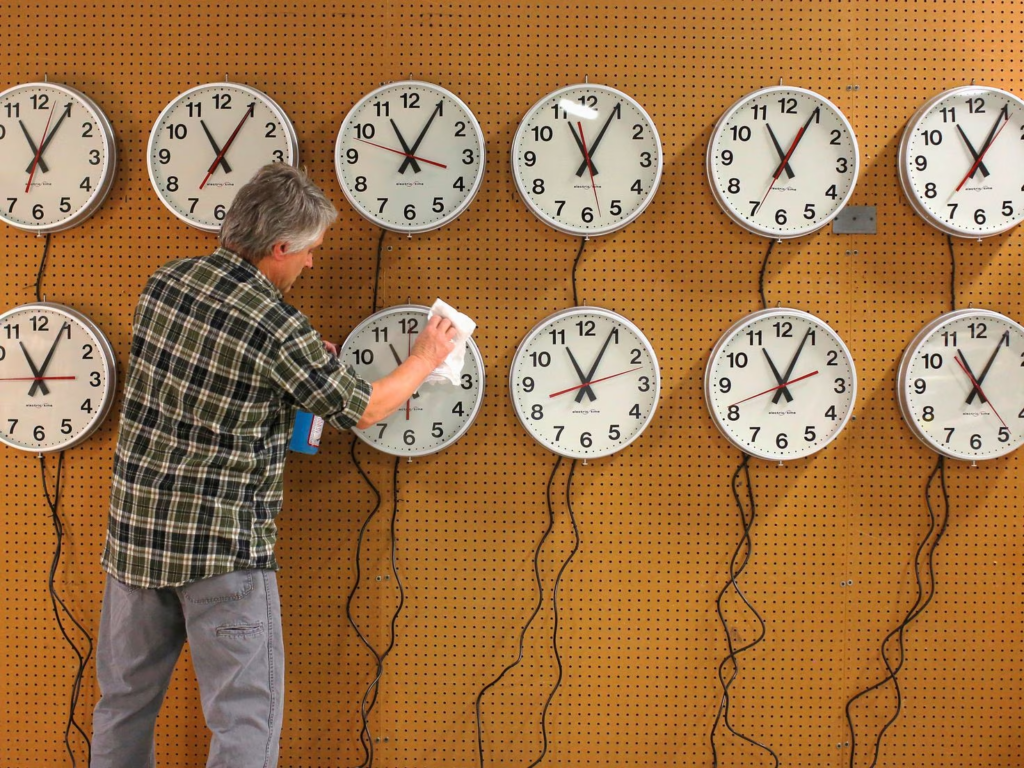
What should the rest of the world know?
For the rest of the world, understanding the concept of Daylight Saving Time in the U.S. can be important for international communication, scheduling, and trade. Not all countries follow DST, and the start and end dates can vary widely. Americans will be adjusting their clocks on November 5, and it's vital for international partners to take this change into account for business and diplomatic interactions.
Daylight Saving Time is a tradition that has been a part of American life for over a century. While its economic benefits are still a subject of debate, the practice serves as a reminder of the importance of making the most of natural daylight. As Americans move their clocks one hour ahead on November 5, it's a time for reflection, adjustment, and an opportunity to make the most of the shifting seasons. For the rest of the world, understanding the changes in American timekeeping can help facilitate smoother interactions and collaborations across borders.
Latest Stories
-
‘Whatever the personal cost, I will not abandon my duty’ – Baffour Awuah assures Salomey Bafoh
1 minute -
Government to increase funding for Houses of Chiefs to speed up dispute resolution
3 minutes -
Govt’ to introduce digital property rate system to boost MMDAs’ revenue – Mahama Ayariga
5 minutes -
Traditional Medicine Practice Council closes three unlicensed spa and massage centres in Ashanti Region
8 minutes -
Let’s accept the reality and move along – Mike Oquaye on NPP’s decision to make flagbearer party leader
10 minutes -
Early presidential primary helped cool tensions in NPP – Prof. Mike Oquaye
27 minutes -
NDC congratulates new NPP executives, urges national interest above party interests
30 minutes -
NPP implementing 2024 election review recommendations in stages – Prof Mike Oquaye
31 minutes -
Ghana Rugby Union announces managerial changes
32 minutes -
US removes all bombers from RAF Fairford base
33 minutes -
France closes up to 500 schools Monday over student protests
33 minutes -
Girl, 12, fatally shot in US during ‘dispute over parking space’
34 minutes -
NPP is a party for all classes – Prof. Mike Oquaye
34 minutes -
Chief Justice urges Judiciary to strengthen foundations of justice
34 minutes -
Rescuers suspend search for survivors after plane went missing off US coast
35 minutes