


Audio By Carbonatix
Challenges in accessing high-quality raw materials, skilled labour and power supply are adversely impacting the operations of the shoe and leather industry.
Leading players in the sector say the industry sources most of its raw materials overseas with heavy tax impositions.
They lament the high cost of products affects the cost and patronage of their ware.
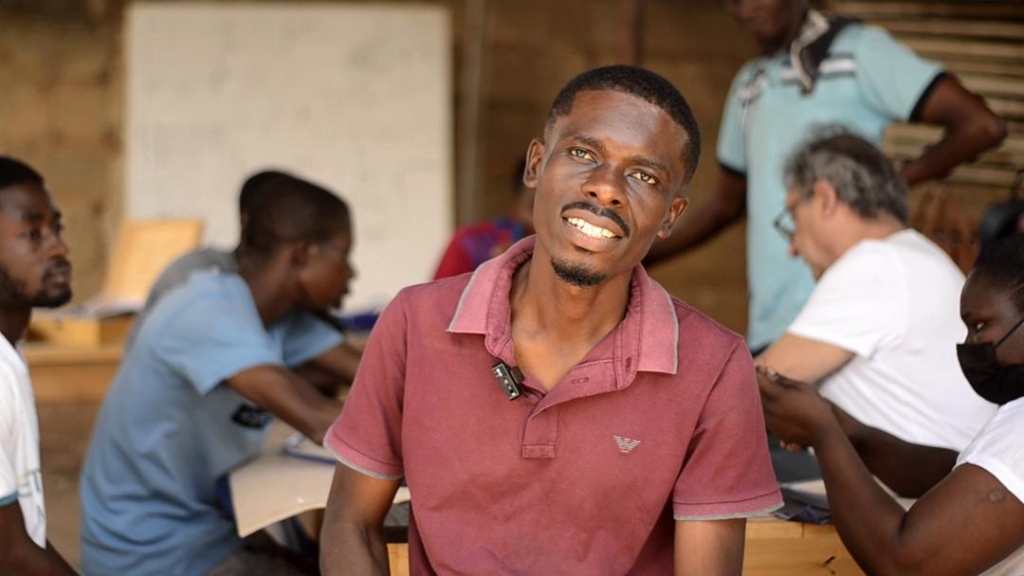
They spoke at the sidelines of a skills training workshop funded by the Ghana Skills Development Fund for shoemakers.
Ghana’s shoes and leather industry, despite interventions by the government to boost operations, continues to grapple with logistical and human resource challenges.
According to some industry players, the sector is presently faced with lack of access to locally-processed high quality raw materials, lack of skilled human resource, and unstable power supply for effective production.
“Getting skilled workers to work with is a very daunting task.Another challenge would also be materials, the materials to work with. We have been working with the materials available to us all these years, but when you bring experts who come in, they appreciate our work, but they feel that our work could be better if we have the right materials and tools.
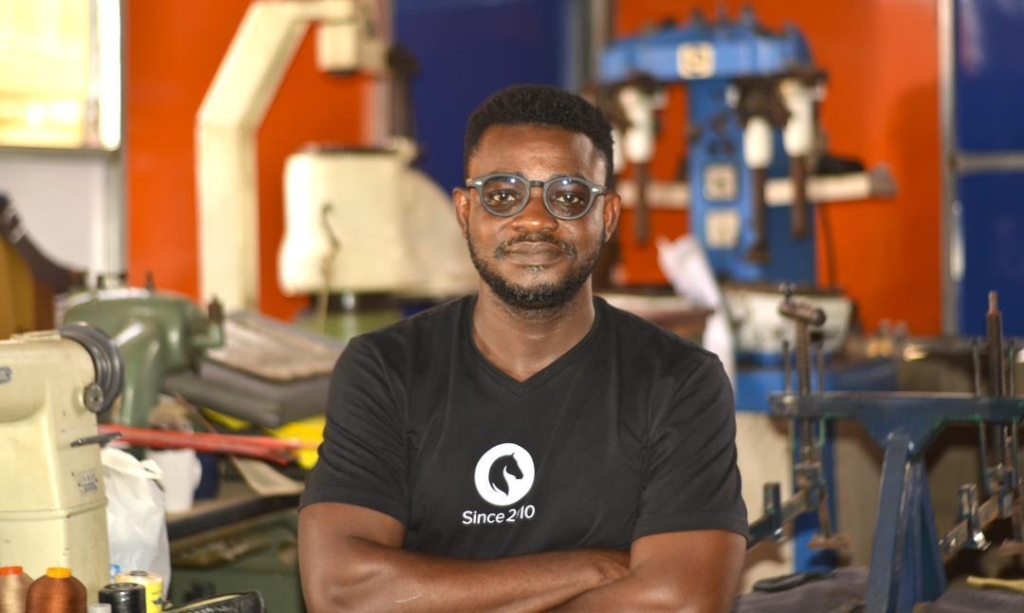
“The power crisis, especially within this period where we've been having the training. The power has been erratic,” Chief Executive of Horseman Shoes, Tonyi Senayah, said.
Tonyi is prevailing on the government for a centralised policy guidelines for the leather industry.
He believes the fragmented policy environment does not clearly outline the targeted goals and vision for the space to thrive.
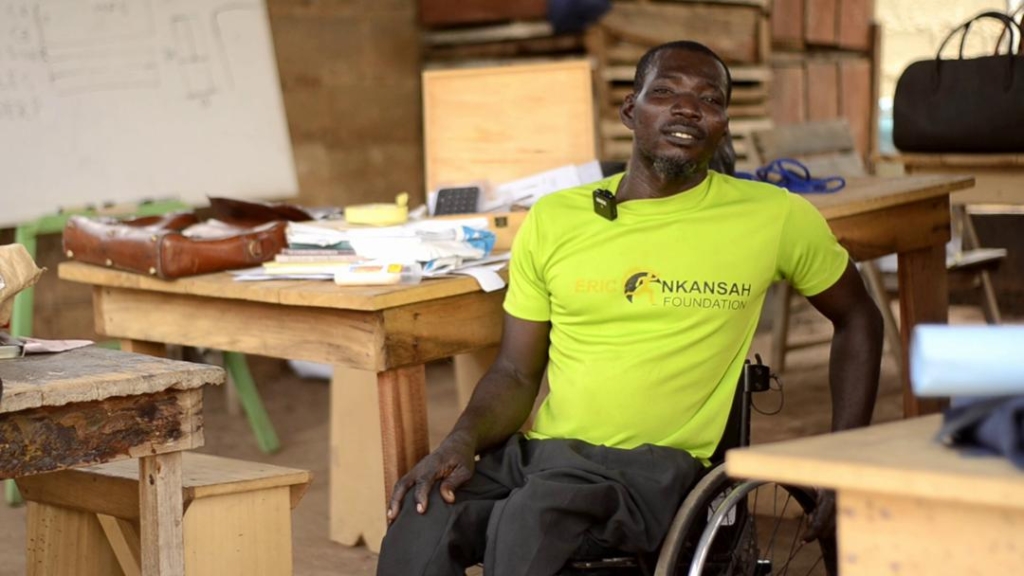
Tonyi Senayah spoke on the sidelines of a skills training workshop organized for some industry players, including persons living with disability.
The 3-week workshop is aimed at honing the skills of beneficiaries in shoe, belts, wallets and other leathery accessories making.
The 15 participants were taken through designing and pattern-making for environmentally friendly leather products.
“Working with the same standard of Europe is a challenge, because that will demand a lot of resources,so we have to work with what we have,” Stefano Parrini, the facilitator, said.
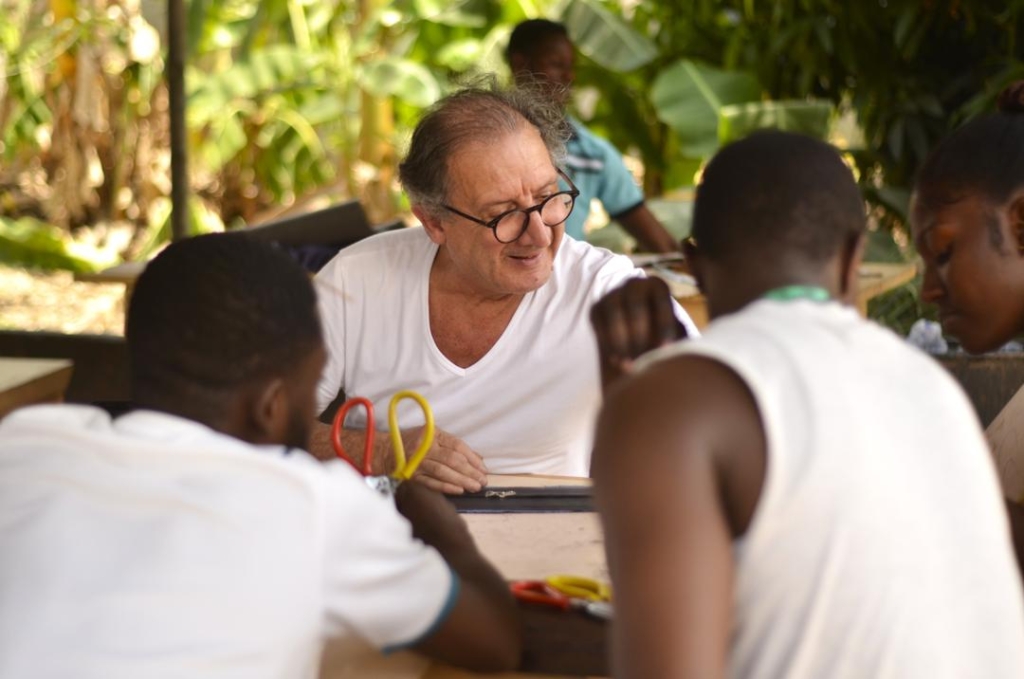
Some participants shared benefits derived from the training.
Abdul Gafar a beneficiary said "I didn't know persons with disability could benefit from this training, I'm really grateful to Horseman for the opportunity to upgrade my skills”.
Another beneficiary Godfred Nkrumah said: “This is the second time the Ghana Skills Development Fund is helping us with a trainer and we've learnt a lot”.
Latest Stories
-
Education Ministry commends Ghanaian teachers on World Teachers’ Day 2026
8 minutes -
NPP can reconcile with aggrieved members who want to return – Nana Akomea
20 minutes -
Tamale Child Deaths: Vehicle owner arrested as IGP deploys homicide team
36 minutes -
From ShattaFest to MoMo Fest: Entertainment takes centre stage in youth engagement
42 minutes -
Nigerian military aircraft crashes, killing 32
47 minutes -
MTN encourages Ghanaians to use MoMo for saving, investing and financial planning
47 minutes -
Absa Bank Ghana names Stephen Ato Frimpong as Board Chair
55 minutes -
Pickford ‘almost caused crash’ with careless driving
57 minutes -
Author and former politician Jeffrey Archer dies aged 86
1 hour -
No education reform can succeed without teachers – Education Ministry
1 hour -
Gauff condemns racist abuse after China Open win
2 hours -
Medvedev disqualified for hitting spectator with ball
2 hours -
Oliseh scores twice in late comeback win for France
2 hours -
Pentagon stops using Anthropic AI tools after blacklisting company, BBC told
2 hours -
From despair to dance: Family of nurse Salomey Baffoe rejoices after GH¢100k bail granted
3 hours