

Audio By Carbonatix
In the heart of Accra’s Kwame Nkrumah Circle Station, dozens of vans and taxis pack the sidewalks. Merchants yell out their goods to passengers as crowds shove into makeshift buses.
This is the land of the trotros: Ghana’s most affordable and most used mode of transportation.
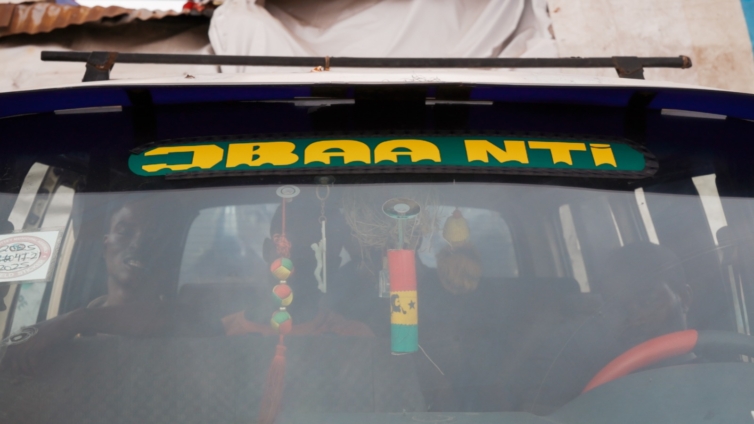
But besides carrying passengers, trotros are also notorious for carrying written messages, usually inscribed on windshields. These drivers customise their rides to reflect various experiences and beliefs.
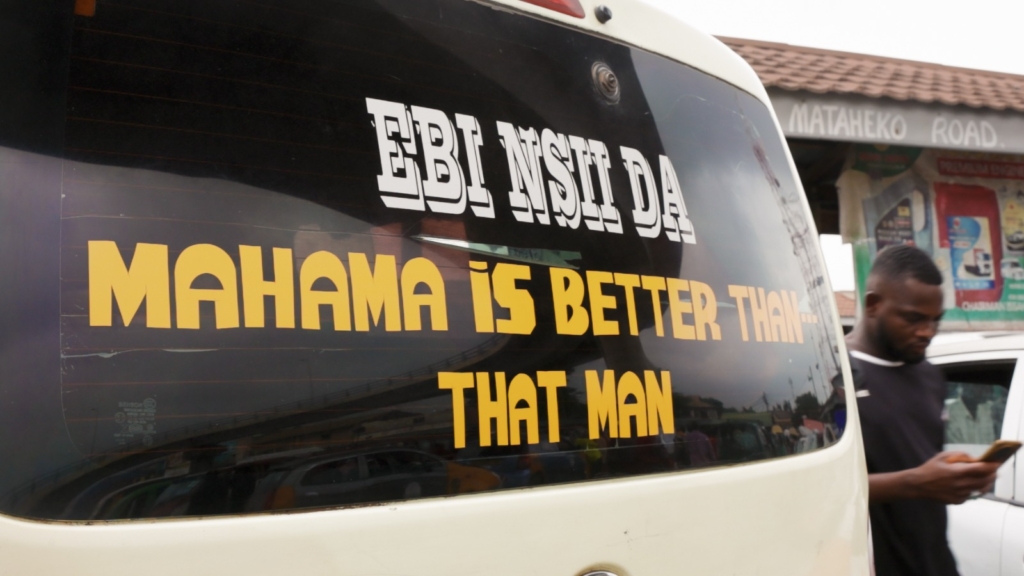
One driver, Yeboah, has a history of using his van to express political opinions and critique Ghana’s leadership over the years. “I earlier wrote ‘Mahama is Better Than This Man.’ After the 2024 elections, I wrote ‘Mahama is Better Than That Man’ on my car,” Yeboah explains. “If they’re upset, what can they do? Nothing. I have freedom of speech. I didn’t mention anyone’s names.”
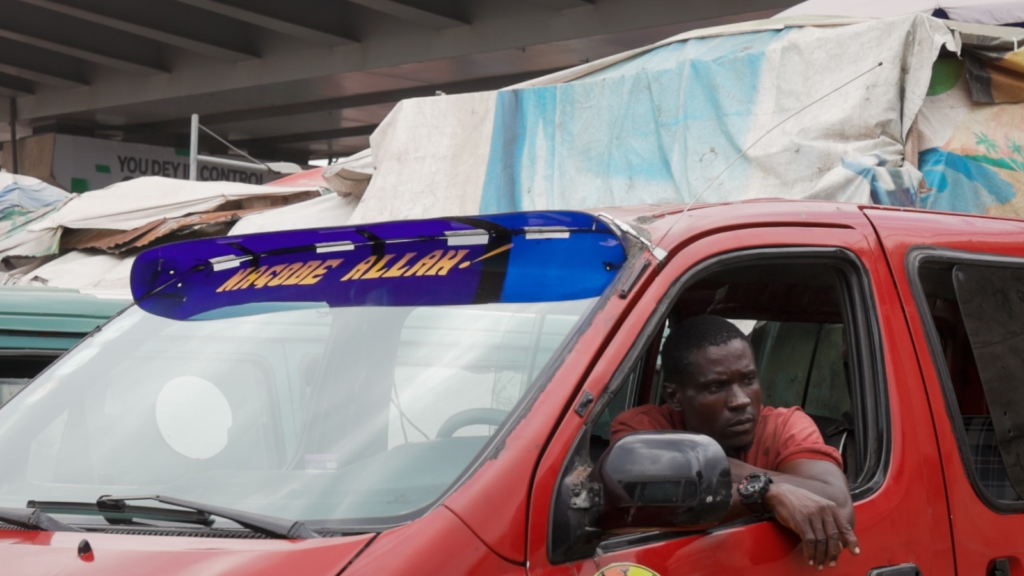
Meanwhile, others might use their vehicles to reflect on life revelations or spiritual awakenings. Ekow, a trotro driver based in Accra, remembers being cursed by someone at the station. Now, he uses his windows to ward off bad spirits.
“I developed several rashes around my private parts. I sought divine intervention, and it was revealed to me spiritually that someone indeed wanted me dead,” Ekow said.
“But my God is greater. The message that kept coming to me was this: ‘Wobetumi asɛi me akyere nipa, nso ɛnyɛ Nyame’ (translation: you can destroy me before humans, but not before God).”
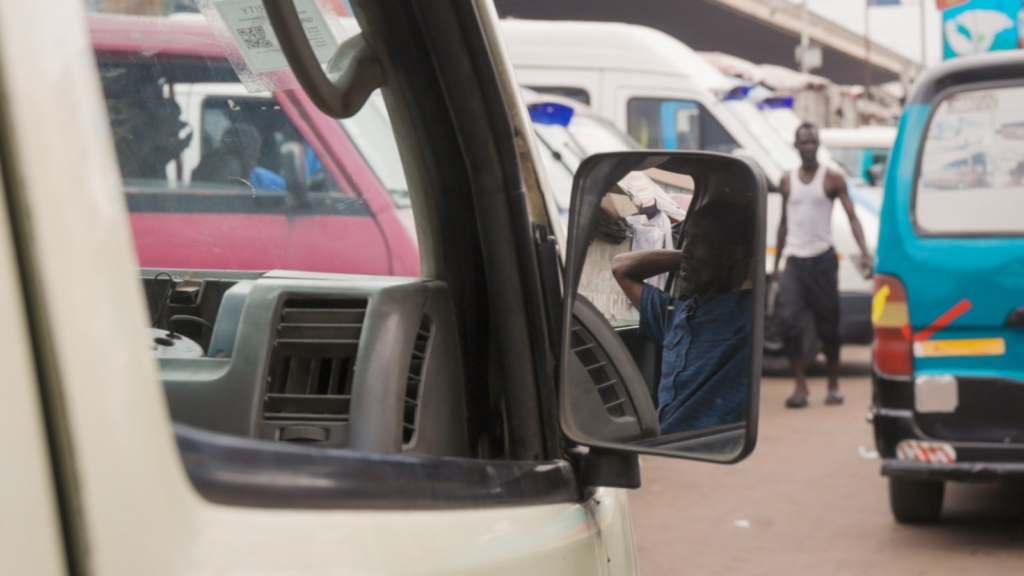
The legacy of Ghana’s trotros began in the 1960’s and was originally used for merchant travels and long-distance trade. Even the first trotros had messages on them, conveying public messages around wisdom and hope for future generations of Ghanaian citizens.
Now, these vehicles serve people from all walks of life – from businessmen to schoolchildren and blue-collar workers.
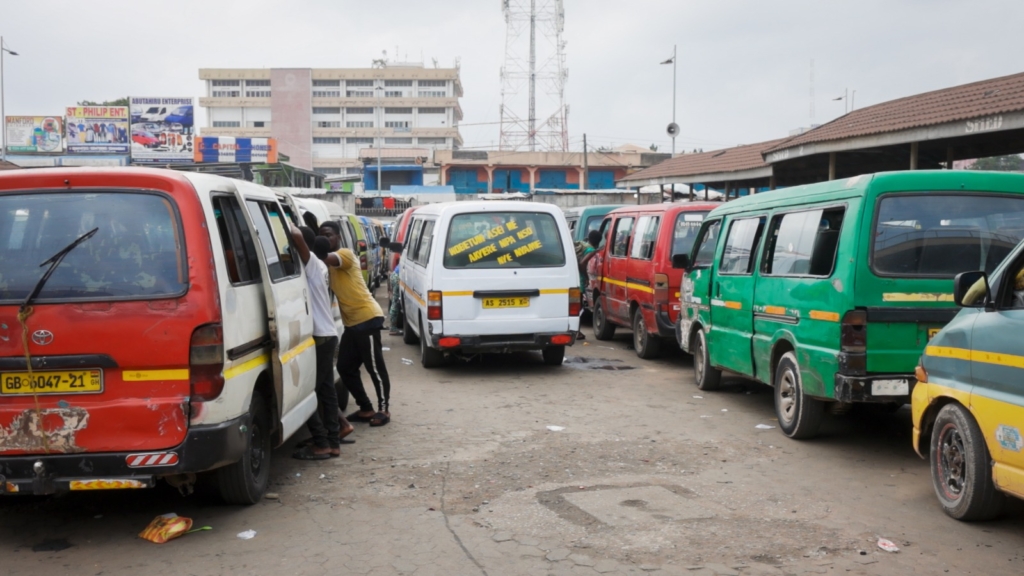
With more trotros joining the streets every year, drivers hope that their passengers can continue to show appreciation and embrace the messages they share.
“When someone gives you a gift, what do you say? You say please, thank you. … So if God gives you something, you must also tell Him, thank you,” says Adam, a trotro driver in Accra. “That’s why I wrote ‘Nagode Allah’ (in Hausa) at the back of my car, which translates as “thank you, God.”
“I know why I wrote it. [It’s] because of how I feel and the nature of my work,” says Charles Bedu, another driver in Accra. “I have to write something that reflects me. It’s from my heart.”
These vehicles represent more than just letters on a window. They hold stories, experiences, and valuable lessons that the people of Ghana can embrace for years to come.
Read also: Public transport fares to go up by 20% starting Friday, August 8
Latest Stories
-
Quality Insurance marks 30 years with push for women-focused innovation, trust-building
5 minutes -
Ghana’s Ambassador to Libya commends CEO of Afro Arab Group
5 minutes -
Nkwanta crisis: Fresh gunfire sends residents fleeing; 26-year-old rider shot
5 minutes -
BECE candidate killed in motor crash en route to Exam in Upper West
6 minutes -
PSG, Manchester United lead race for FC Nordsjaelland star Prince Amoako Jnr
8 minutes -
Lawra MP urges BECE candidates to avoid malpractice, assures support
10 minutes -
Korle Bu laboratory scientists demand retraction from doctors over ‘false’ claims
27 minutes -
NHIA waives NHIS fees and waiting period under new ‘STORM’ initiative
30 minutes -
GTDC CEO Prof. Kobby Mensah named among top 12 global leaders shaping place branding
30 minutes -
Large accounting losses, but is the Bank of Ghana truly policy solvent?
32 minutes -
The Bank of Ghana is winning the inflation war, but who will pay the hospital bill?
36 minutes -
BECE candidates stranded as Nyankrom residents block roads over ‘death trap’ network
37 minutes -
Walking on One Leg of the Tripod: The IMF endgame in Ghana
38 minutes -
Jewish culture lights up Accra as Israel marks 78 years in Ghana
54 minutes -
World Relays 2026: Ibrahim Fuseini details how he missed flight to Botswana
1 hour