

Audio By Carbonatix
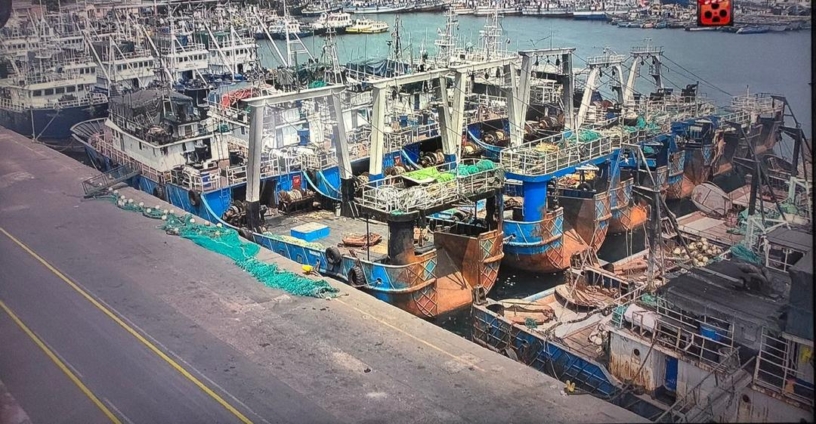
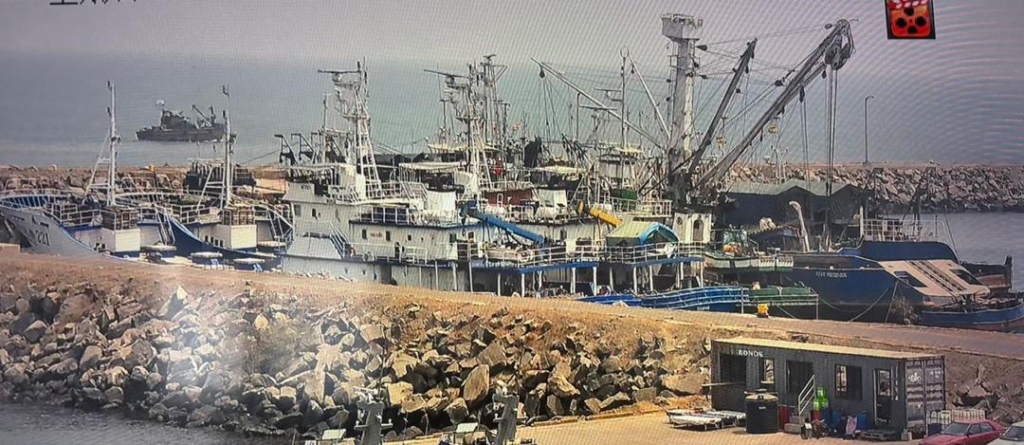
In recent months, the fishing industry has found itself at a crossroads as new regulations by the fisheries minister Emelia Arthur have pushed the fishing zone from 6 to 12 nautical miles offshore. This change has had a profound effect on local trawlers, resulting in many vessels being docked at port, unable to participate in fishing activities that are vital for their livelihoods and local economies.
Historically, the 6-nautical-mile limit allowed small-scale fishermen to access rich fishing grounds close to shore where their boats could efficiently operate. This shorter distance usually meant that trawlers could make quicker trips, catch more fish, and return to port without the significant costs associated with longer voyages. Their operation maintained a sustainable balance between catching fish and ensuring the ocean's resources weren't depleted.
However, the expansion to 12 nautical miles means that many of these fishermen are now out of reach of their traditional fishing spots. This shift is particularly detrimental for smaller trawlers that lack the capacity, equipment, or financial resources to travel greater distances. Without access to familiar fishing grounds, many boats find themselves idle at the port, their crews unable to earn a living.
The ramifications of this shift extend beyond individual fishermen. The local economy, which often hinges on fishing activities, faces potential decline as well. Fish markets, suppliers, and related businesses that depend on the productivity of local trawlers may see significant drops in revenue as the volume of harvested fish decreases. When the industry is vibrant, it supports jobs in multiple sectors, but with fewer boats fishing, the ripple effect throughout the community may lead to job losses and economic strain.
Moreover, some advocates argue that expanding the fishing limit could provide long-term benefits by allowing fish stocks to recover in distant waters, ultimately leading to healthier populations of fish. However, for many in the immediate term, this perspective feels remote and theoretical. The reality is that without a careful, sustainable transition plan in place, the immediate impacts on local fishermen and their families could be catastrophic. They need viable alternatives, training, and the opportunity to adapt their practices or reduce costs associated with longer fishing trips.
Thus, the focus should also be on creating support infrastructure for the local fishing community. This could include assistance in upgrading boats, improving fuel efficiency, or providing subsidies to offset the costs of reaching further offshore. Support programs that promote sustainable practices and diversify fishing methods could also empower local fishers to adapt more readily to the changing landscape.
As the fishing community navigates these changes, clear communication and cooperation among regulators, scientists, and fishermen will be critical. It’s essential to foster dialogue where all stakeholders can voice their concerns and work together to find solutions that ensure both ecological sustainability and economic viability.
In conclusion, the transition from a 6 to a 12 nautical-mile limit poses significant challenges for local trawlers, leading to boats sitting idle and communities facing potential economic decline.
The rain season is coming, stormy weather can be a disaster for the small trawlers to operate in the deep sea, the life of all the crew members are at serious risk.
To ensure the industry's resilience and sustainability, immediate action and collaboration are vital to help fishermen adapt to the new realities they face.
Latest Stories
-
Ghana’s BRICS move requires clear strategy to manage risks – Godfred Bokpin
2 minutes -
Pay teachers realistic income – Duncan Amoah to gov’t
18 minutes -
Bechem to become chicken capital of Ghana – Mahama projects
19 minutes -
Gov’t targets recruitment of 16,500 health professionals in 2026
40 minutes -
Two-week strike will not derail academic calendar – GNAT President
55 minutes -
Headmaster detained after BBC investigation into alleged sexual abuse of students
1 hour -
GNAT pushes for clear implementation procedures of teachers’ conditions of service
1 hour -
Recurrent strikes threaten quality of education and academic calendars – Prof Bokpin
1 hour -
‘Cockroach’ group leaders among hundreds detained in Delhi protest
2 hours -
Don’t let speed of information become your judgement – CJ tells new lawyers
2 hours -
World Cup visa scandal: People have leveraged public office to facilitate fraud – Senyo Hosi
2 hours -
Glut! Farmers count losses as prices crash, customers happy
3 hours -
GSA postpones auction of unserviceable vehicles
3 hours -
Man charged with attempted murder after stabbing
3 hours -
World Cup visa scandal: Senyo Hosi says issue goes beyond calls for Sports Minister’s resignation
3 hours