

Audio By Carbonatix
International Women’s Day highlights the private sector's crucial role in advancing the economic inclusion of women in Africa.
At Coca-Cola Beverages Africa (CCBA), we use our industry leadership to be part of the solution for positive change on the African continent. We aim to create greater shared opportunities for the business and the communities we serve across the value chain.
We understand that our business can only thrive when the communities we serve thrive too. This is why we have made the economic inclusion of women one of the pillars of our sustainability strategy at CCBA.
Across our value chain, we are working to improve skills and business knowledge for women, which in turn can help give them access to more opportunities.
For example, in Tanzania, we have an economic inclusion programme called Mwanamke Shujaa (“A Brave Woman”), which provides training and mentorship to women food vendors, as well as tools of the trade to enable them to grow their businesses. The training covered key areas like bookkeeping, customer care, stress management and capital growth.
In Ethiopia, female engineering students have joined our "Women in Engineering" trainee programme which will give them development opportunities and exposure to the company’s world-class operations, setting them up for future employment.
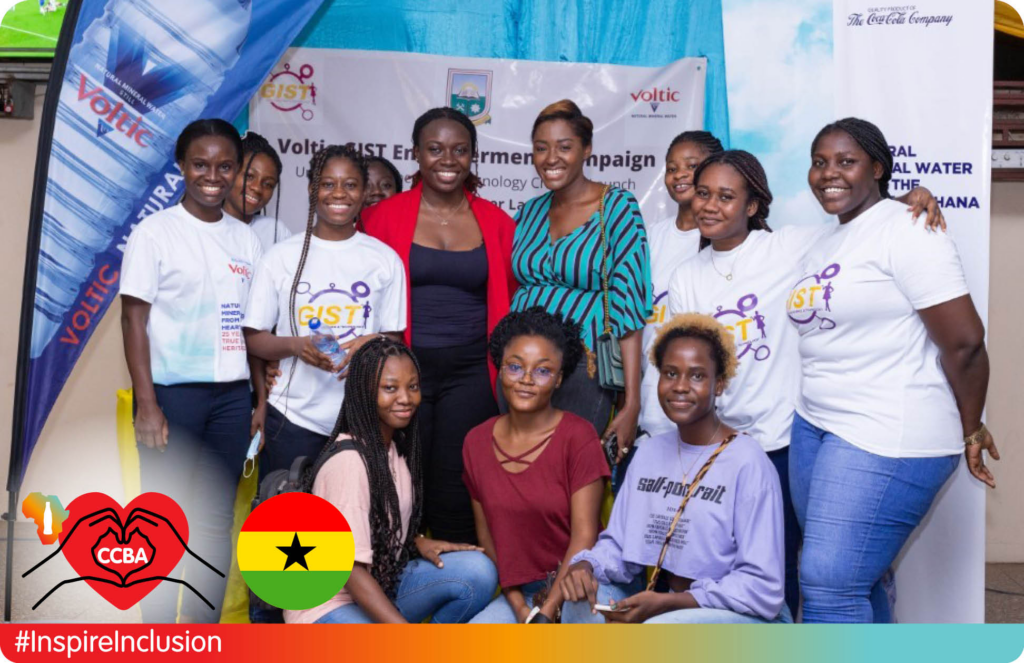
Through our partnership in Ghana with Girls in Science and Technology (GIST, CCBA subsidiary Voltic aims to reach women at different levels of education, providing them with the mentorship and coaching they need for a successful and impactful Science, Technology, Engineering and Mathematics (STEM) career.
In South Africa, we have established a bursary fund at the University of Pretoria to support female students from previously disadvantaged backgrounds in their final year of engineering studies.
In Mozambique, a group of women plastic waste collectors completed a 12-week training course in an economic inclusion programme supported by CCBA. These women have since educated their communities about the positive effects of recycling.
We will continue to focus on creating a better-shared future, to grow and sustain small businesses and enhance livelihoods, resulting in increased economic value and business capability for women, communities and our business system.
We believe this holistic approach, within and outside our organisation, drawing on the ability of everyone to inspire inclusion, is a powerful formula for change.
*****
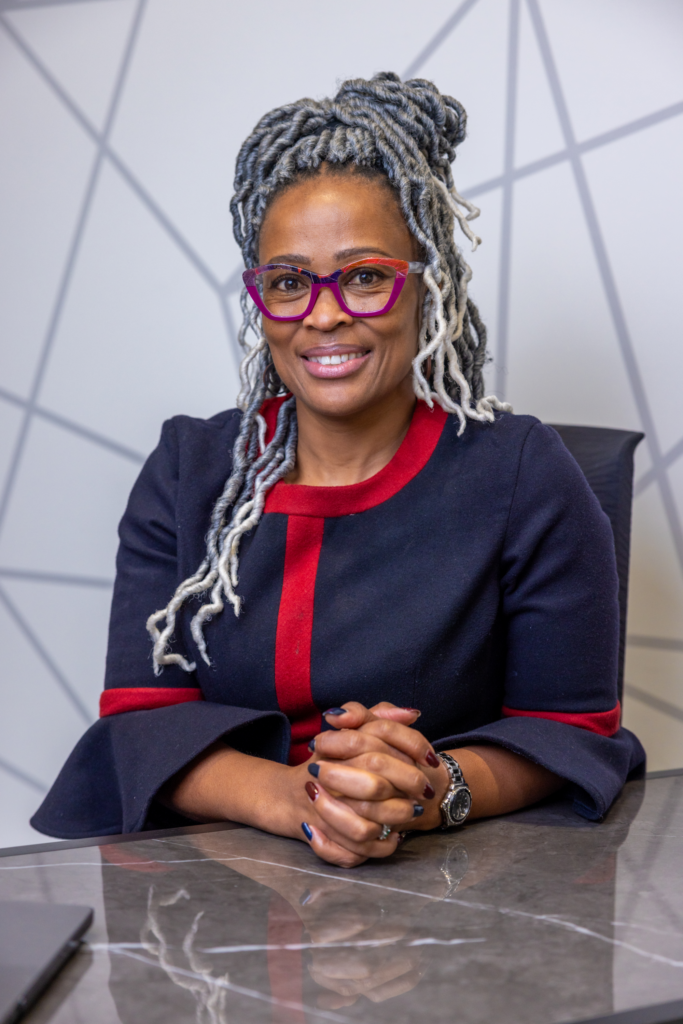
The writer is the Chief Public Affairs, Communication and Sustainability Officer, at Coca-Cola Beverages Africa
Latest Stories
-
Government procures over 2,000 transformers as Ghana’s electricity access hits 89.13% – Energy Minister
26 minutes -
UTAG-UG threatens strike on October 19 over unpaid allowance
34 minutes -
Let The Constitution direct Chieftaincy to deliver “All Development Is Local”
2 hours -
John Jinapor outlines renewable energy, nuclear power priorities for 2027
2 hours -
Ghana explores centre of excellence for hearing, communication and cochlear implant care
3 hours -
Schizophrenia-related disorders lead mental health cases recorded in Ghana
4 hours -
Dutch authorities enlist Ghana in hunt for fugitive drug lord Bolle Jos
4 hours -
Ghana housing finance conference adopts communiqué to improve affordable housing access
8 hours -
Special Initiatives Minister urges Wa Technical Institute to enrol more girls as EU-backed solar training lab opens
9 hours -
In the matter of my first year at the Bar
9 hours -
ActionAid Ghana calls for an end to child marriage, greater investment in girls’ rights
9 hours -
Newsfile to tackle World Cup visa scandal, beach demolitions, education strikes, BRICS bid
9 hours -
UK-Ghana Trade & Investment Summit: Trade Resource Centre to help businesses maximise UK-Ghana trade opportunities
10 hours -
Embassy of Denmark celebrates World Maritime Day
10 hours -
Linking LEAP to productive inclusion could cut extreme poverty by 2030 – UNICEF
11 hours