

Audio By Carbonatix
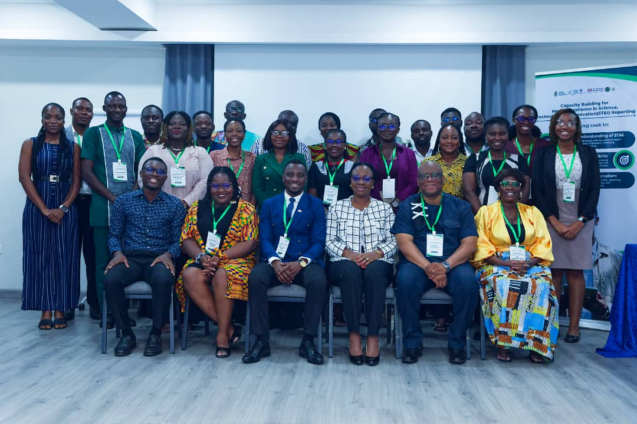
Twenty-five journalists and content creators from across Ghana have begun a high-level training programme aimed at enhancing public understanding of science, technology, and innovation under the UK–Ghana Science, Technology, and Innovation (ST&I) Media Capacity Programme.
The three-day capacity-building workshop is part of the broader five-year UK–Ghana Science, Technology, and Innovation Strategy (2023–2028), which recognises the critical role of the media in translating complex scientific knowledge into information the public can understand and apply.
The programme is being implemented with support from the British High Commission in Accra, the Responsible Artificial Intelligence Lab (RAIL) at the Kwame Nkrumah University of Science and Technology, and the Ghana National Research Fund.
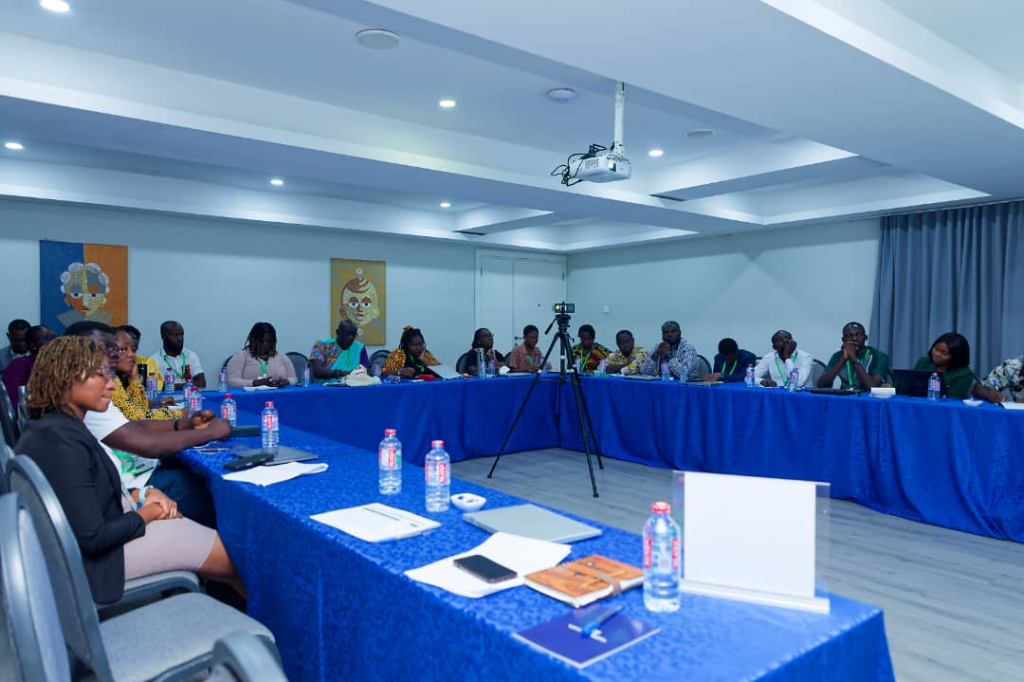
Participants are receiving training in research and source evaluation, interview techniques, multimedia storytelling, ethics in science reporting, and field-based reporting practices, all aimed at strengthening science journalism in the country.
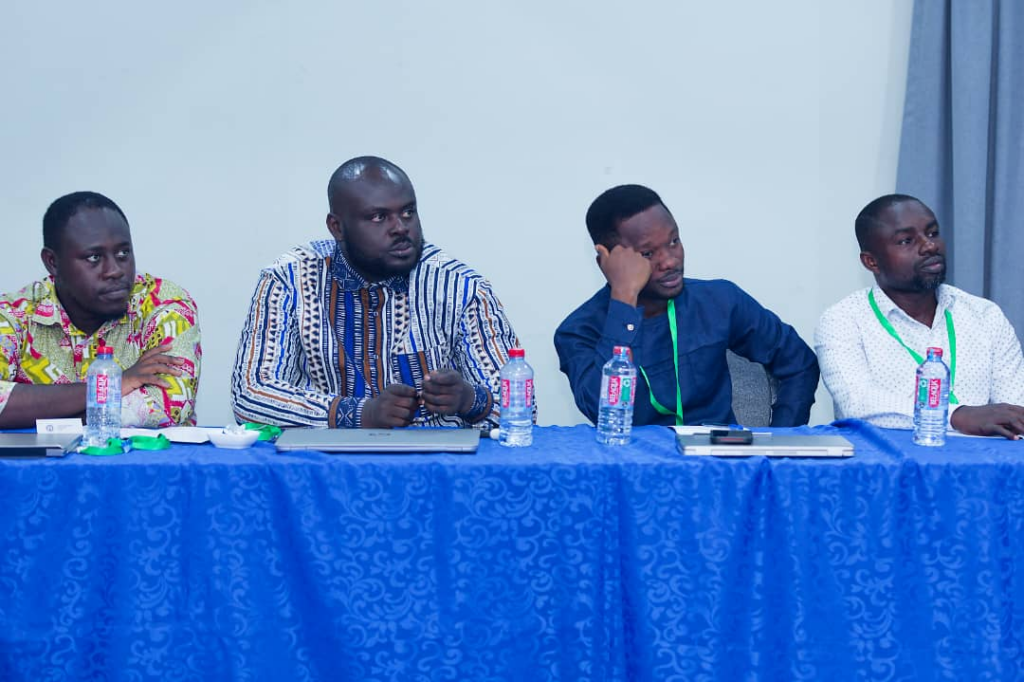
Speaking at the opening session, Administrator of the Ghana National Research Fund Abigail Opoku Mensah said Ghana’s development increasingly depends on a knowledge-driven economy in which ideas and innovation drive growth.
She noted that although successive governments have invested in research institutions such as the Council for Scientific and Industrial Research, universities, and polytechnics, the impact of scientific work remains limited if the public does not understand it.
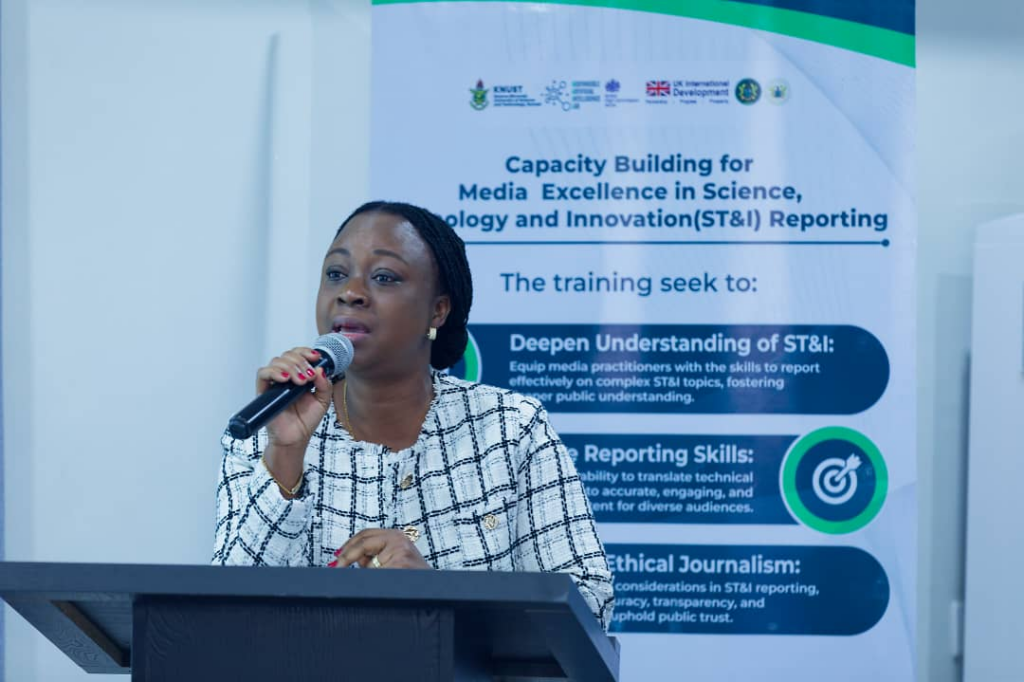
“A knowledge economy cannot be built on knowledge that the public does not understand,” she stated.
Prof. Mensah highlighted that Ghanaian researchers are making significant progress in areas such as climate adaptation, agriculture, and public health, yet the benefits of such research often fail to reach those who need them most. She cited examples of agricultural scientists developing drought-resistant crop varieties and environmental researchers modelling coastal erosion, while many farmers remain unaware of these innovations.
“The gap between what science knows and what the public understands is largely a communication failure,” Prof. Mensah explained. “The science journalist is the bridge across that gap.”
She emphasised that journalists reporting on science, technology, and innovation play a critical role in Ghana’s knowledge ecosystem, describing them as “critical infrastructure” for ensuring research findings reach society.
Prof. Mensah also explained that the mandate of the Ghana National Research Fund, established under Act 1056 of 2022, extends beyond funding research to ensuring the transfer of knowledge and technology to the public.
“Research does not end when a paper is published in a journal. It ends when the findings reach the people who need them and help solve real problems,” she said.
She commended the United Kingdom for supporting the initiative, describing the collaboration as a partnership built on shared interests in addressing global technological transformations such as artificial intelligence, genomics, clean energy, and digital infrastructure.
“These are not only Western concerns. They are global challenges and opportunities, and Ghana must participate in shaping their future,” she added.
Prof. Mensah urged participants to take the training seriously and fully commit to improving the quality and impact of science reporting in Ghana.
Also speaking at the opening, Principal Investigator and Scientific Director of RAIL, Jerry John Kponyo, highlighted the importance of effective science communication in ensuring that research benefits society.
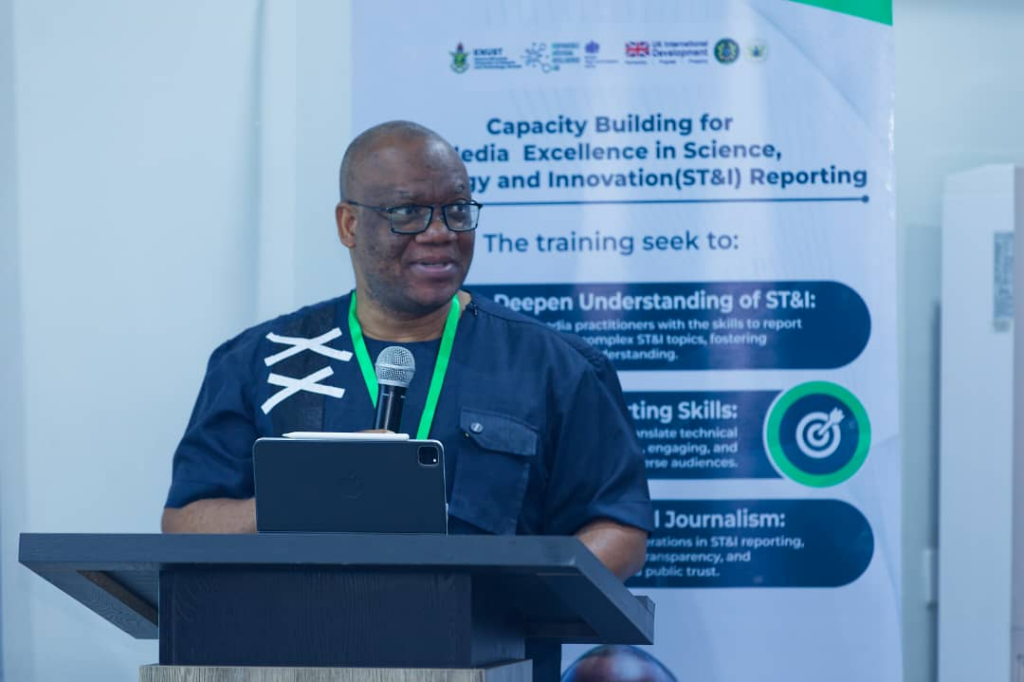
He explained that the Responsible Artificial Intelligence Lab is a multidisciplinary research centre focused on using artificial intelligence to support the Sustainable Development Goals, applying AI-driven solutions in sectors such as agriculture, healthcare, energy, education, and disability inclusion.
“We try to leverage artificial intelligence to develop practical solutions that can improve people’s lives,” he said.
Prof. Kponyo noted that conducting research is important, but ensuring that findings reach the public is equally critical. “No matter how good your research is, if people cannot benefit from it, it is of little use,” he said.
He emphasised the need for stronger collaboration between researchers and journalists to make scientific knowledge accessible to the public, noting that scientists often excel in research but may lack the confidence or skills to communicate findings effectively.
The training programme therefore adopts a two-pronged approach: strengthening journalists’ understanding of scientific concepts while encouraging researchers to engage more openly with the media.
Prof. Kponyo also stressed the importance of translating scientific information into local languages so that farmers, small businesses, and communities can apply research findings in their daily activities.
The programme brings together journalists, editors, and science communicators from media organisations across the country. Organisers say the initiative is expected to improve the quality of science reporting in Ghana and strengthen collaboration between the media, researchers, and policymakers.
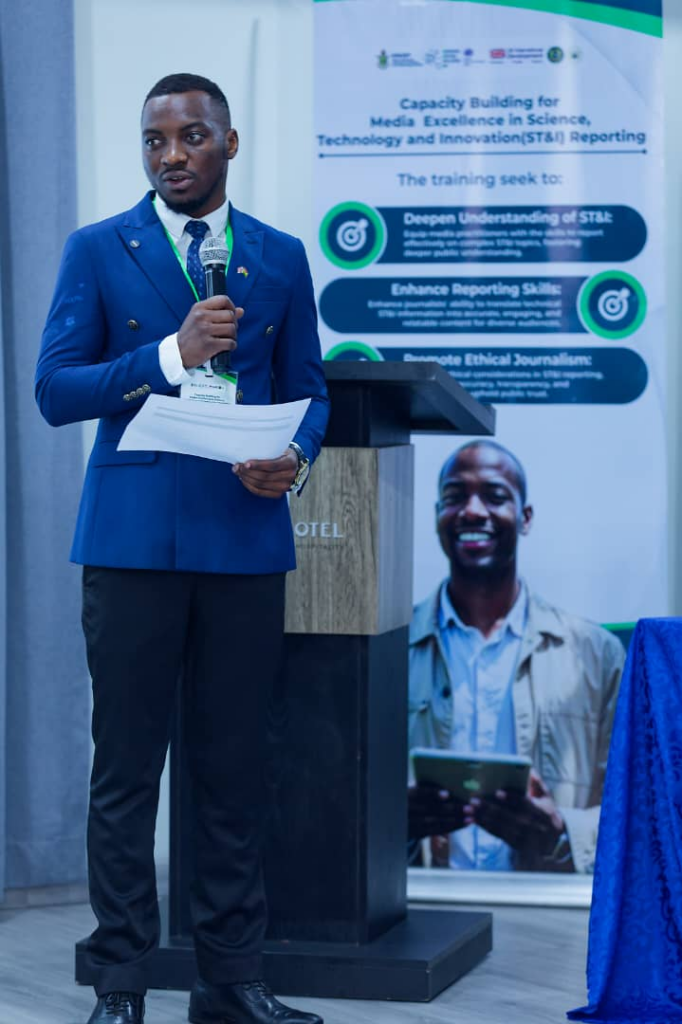
The UK–Ghana ST&I Media Capacity Programme has been running for two years and has already produced journalists whose work in science reporting has received national recognition. This year’s participants are expected to develop practical skills enabling them to produce accurate, engaging, and impactful science stories that connect research with everyday life.
Latest Stories
-
Arrest of Manhyia South MP should involve Parliament, not police station – Kpebu
11 minutes -
Two Nigerians sentenced to 189 months in US prison over $2.4m cyber fraud
35 minutes -
Cristiano Ronaldo leaves Portugal’s training camp after rift with Head Coach
35 minutes -
Ghana Energy Awards opens nominations for landmark 10th anniversary edition
37 minutes -
Aayalolo contra-flow: Are we treating the symptom instead of the disease?
40 minutes -
GTEC orders Colleges of Education to begin 2026/2027 admissions despite fees approval delay
43 minutes -
Legal reforms must solve real problems, improve justice – Bagbin
45 minutes -
Ofori-Sarpong named Alumni President of the Year, honoured for PRESEC dormitory project
1 hour -
Germany commits $132m to Ghana for skills development and training university – Pelpuo
1 hour -
‘Influence should go beyond visibility’ – Taadi Banyinba GH launches The TB Impact
1 hour -
Videos: Government announces emergency LEAP package for Hohoe flood victims
2 hours -
Salomey Baffoe’s children are crying for their mother – Family appeals for her release
2 hours -
Shortage of trained investigators and prosecutors hampers Ghana’s fight against money laundering – Report
2 hours -
GoldBod generates US$1.87bn in September FX operations, exceeding monthly target
2 hours -
Roads Minister says it is time to change one-year defect liability period for contractors, consultants
2 hours