


Audio By Carbonatix
A link between highly processed foods and cancer has been suggested by French researchers.
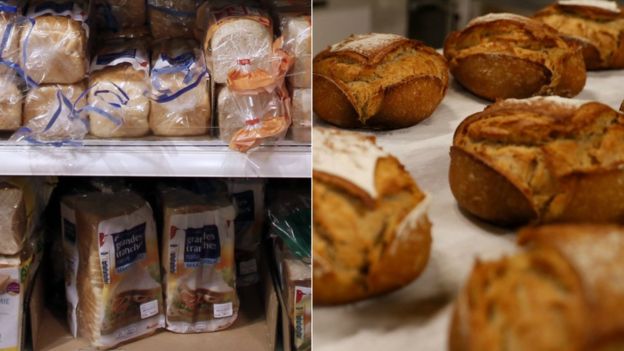
They classified foods including cakes, chicken nuggets and mass-produced bread as "ultra-processed".
A study of 105,000 people hinted the more of such foods people ate, the greater their risk of cancer.
A lot of caution is being expressed about the study, but experts said a healthy diet is best.
What counts as ultra-processed
- Mass-produced packaged breads and buns
- Sweet or savoury packaged snacks including crisps
- Chocolate bars and sweets
- Sodas and sweetened drinks
- Meatballs, poultry and fish nuggets
- Instant noodles and soups
- Frozen or shelf-life ready meals
- Foods made mostly or entirely from sugar, oils and fats

Diet is already known to affect the risk of cancer.
Being overweight is the biggest preventable cause of the disease after smoking and the World Health Organization says processed meat does slightly increase the risk of cancer.
But what about ultra-processed foods?
The team - at Universite Sorbonne Paris Cite - used food surveys on two days to work out what people were eating.
Those on the study, who were mostly middle-aged women, were followed for an average of five years.
The results, in the British Medical Journal, showed that if the proportion of ultra-processed food in the diet increased by 10%, then the number of cancers detected increased by 12%.
During the study:
- On average, 18% of people's diet was ultra-processed
- On average, there were 79 cancers per 10,000 people each year
- Upping the proportion of processed food by 10% would lead to nine extra cancers per 10,000 people per year
The researchers concluded: "These results suggest that the rapidly increasing consumption of ultra-processed foods may drive an increasing burden of cancer in the next decades."
But they said the findings need to "be confirmed by other large-scale" studies and research was needed to establish what could be behind the link.
A 'warning signal'
This study is far from the definitive take on ultra-processed foods and cancer.
It cannot say ultra-processed foods are a cause of cancer.
There are also factors that muddy the waters as people who ate a lot of ultra-processed foods had other behaviours that have been linked to cancer.
They were much more likely to smoke, were less active, consumed more calories overall and were more likely to be taking the oral contraceptive.
While the researchers did adjust their analysis for this they say their impact "cannot be entirely excluded".
Prof Linda Bauld, Cancer Research UK's prevention expert, said: "It's already known that eating a lot of these foods can lead to weight gain, and being overweight or obese can also increase your risk of cancer, so it's hard to disentangle the effects of diet and weight."
Overall she said the study was a "warning signal to us to have a healthy diet" but people should not worry about eating a bit of processed food "here and there" as long as they were getting plenty of fruit, vegetables and fibre.
Dr Ian Johnson, from the Quadram Institute in Norwich, said the study had "identified some rather weak associations".
But he criticised the vagueness of the term ultra-processed.
He said: "The problem is that the definition of ultra-processed foods they have used is so broad and poorly defined that it is impossible to decide exactly what, if any, causal connections have been observed."
For Prof Tom Sanders at King's College London, the definition of ultra-processed foods throws up too many quirks.
He said mass-produced bread would be classed as ultra-processed, but a home-made loaf or bread from a posh local bakery would not.
"This classification seems arbitrary and based on the premise that food produced industrially has a different nutritional and chemical composition from that produced in the home or by artisans. This is not the case," Prof Sanders said.
Even the accompanying commentary in the British Medical Journal warned against jumping to conclusions.
Martin Lajous and Adriana Monge from the National Institute of Public Health in Mexico, warned "we are a long way from understanding the full implications of food processing for health and well-being".
They said the study was simply "an initial insight".
Latest Stories
-
Pentecost University to host international sustainability conference
5 minutes -
Ampofo Ankrah did not collect World Cup visa money – Lawyer
15 minutes -
Baffour Awuah to spend night in EOCO custody – Atta Akyea
17 minutes -
Torgbiga Wenya III opposes proposed elevation of 36 Anlo chiefs to Paramount status
24 minutes -
The strengthening El Niño and what it could mean for Ghana
28 minutes -
Baffour Awuah formally charged with money laundering, loss of public funds – Lawyer
29 minutes -
Drone flight over EOCO building could attract 30-year jail term – Security consultant
37 minutes -
Flying drone over EOCO premises is strictly prohibited – Security consultant
37 minutes -
SIC file was surrendered to client, EOCO has no reason to search Manhyia South MP’s firm – Atta Akyea
38 minutes -
EOCO search of Baffour Awuah’s law firm raises confidentiality concerns – Atta Akyea
39 minutes -
“I will never ignore an invitation from EOCO if I had received one” — Manhyia MP
40 minutes -
Baffour Awuah ready to cooperate fully with EOCO investigation – Bosome Freho MP
1 hour -
How a Ghanaian technology is helping fish farmers detect hidden threats before fish die
1 hour -
AI tool helps Ghanaian farmers identify crop threats from field observations
1 hour -
NEIP: Designing a Ghana Startup Agency that builds enterprises, not programmes
1 hour