

Audio By Carbonatix
Consumer prices in the US rose faster than expected last month, in a sign that the fight to slow inflation has stalled.
Prices rose 3.5% over the 12 months to March, up from 3.2% in February, the US Labor Department said.
Higher costs for fuel, housing, dining out and clothing drove the increase.
Analysts warned that the lack of progress in curbing price rises will force the US central bank to keep interest rates higher for longer.
Higher rates help stabilise prices by making it more expensive to borrow for business expansions and other spending. In theory, that in turn slows the economy, and eases the pressures pushing up prices.
The Federal Reserve's key interest rate is now at the highest level in more than two decades, in the range of 5.25%-5.5%.
Forecasters had expected the bank to start lowering borrowing costs this year, reflecting the fact that the inflation rate, which tracks the pace of price rises, has fallen significantly since hitting 9.1% in 2022.
But recent economic data, including strong jobs creation figures last week, has raised doubts about how soon those cuts might come.
Shares on Wall Street closed lower on Wednesday as investors had been betting that rates could soon be cut.
Analysts, who once expected rate cuts as soon as March, have been rapidly revising bets, with many now not expecting any until later this summer and some predicting the bank could wait until next year.
What the Fed decides to do is likely to shape decisions by central banks around the world, said Neil Birrell, chief investment officer at Premier Miton Diversified Funds.
"The Fed has got some head scratching to do and if other central banks were waiting for the Fed to move, they have got a conundrum on their hands now," he said.
Inflation cooled rapidly over 2023 as pandemic-era supply issues healed and the spike in food and energy prices sparked by the war in Ukraine faded, but it still remains higher than the bank's 2% target.
An uptick in oil prices in recent months has also pushed energy costs higher, while prices for services show little sign of stabilising.
The Labor Department said prices had jumped 0.4% from March to February, the same as in February.
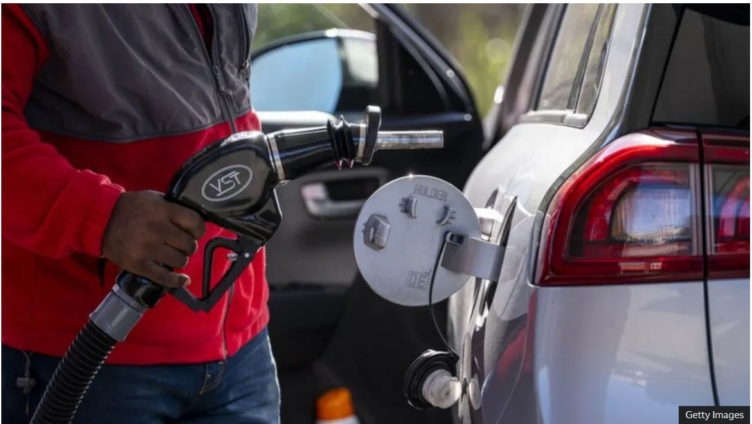
Higher petrol and housing costs accounted for more than half the increase.
Car insurance, medical care and costs for internet also contributed.
So-called core inflation, which is seen by economists as a better indicator of future trends because it does not include more volatile food and energy prices, stood at 3.8%, the same as in February.
"We shouldn't overreact to the jump in headline inflation - which was all about energy," said Brian Coulton, chief economist at Fitch Ratings. But he added: "The details are not at all reassuring for the Fed."
Latest Stories
-
George Christian Papa Mends
48 seconds -
Ali Suraj elected NPP NASARA Coordinator
12 minutes -
Mustapha Hamid misses out on NPP Vice Chairmanship by 31 votes despite early poll lead
21 minutes -
Kojo Bamba, Henry Nana Boakye and Nana Akomea elected NPP Vice Chairmen
1 hour -
From Delta Force to NPP First Vice Chairman – Kojo Bamba’s political journey
1 hour -
Police restore calm at Larteh following Odwira festival disturbance
2 hours -
‘All the camps will dissolve’ – Bawumia demands one NPP for 2028
2 hours -
There is no time to waste – Bawumia orders NPP to begin 2028 work
2 hours -
Sarkodie visits MobileMoney Fintech LTD
2 hours -
John Boadu unveils new NPP strategy to win back youth and modernise party
2 hours -
Hawa Koomson elected NPP National Women’s Organiser
2 hours -
John Boadu begins NPP rebuild from grassroots ahead of 2028 election
2 hours -
Titus Glover wins NPP National Organiser race on second attempt
2 hours -
Winning 2028 election won’t be easy; we must work harder – Bawumia
2 hours -
You’ll be part of 2028 campaign; there’s enough work for all of us – Bawumia to NPP aspirants
3 hours