


Audio By Carbonatix
Vaccines have long played a key role in protecting public health across Africa, including Ghana, where they have helped reduce childhood illnesses and prevent diseases that once caused widespread deaths.
But despite these gains, health experts say many children are still being missed, especially in remote and hard-to-reach communities.
In a joint statement marking Africa Vaccination Week under the theme “For every generation, vaccines work,” three senior health leaders say vaccines remain one of the most effective tools for protecting public health in Africa, but only if access gaps are closed.
The statement was co-authored by President of the Organization of African First Ladies for Development (OAFLAD) and First Lady of Sierra Leone, H.E. Fatima Maada Bio, African Union Commissioner for Health, Humanitarian Affairs and Social Development, H.E. Ambassador Amman Twum-Amoah, and WHO Regional Director for Africa, Dr. Mohamed Yakub Janabi.
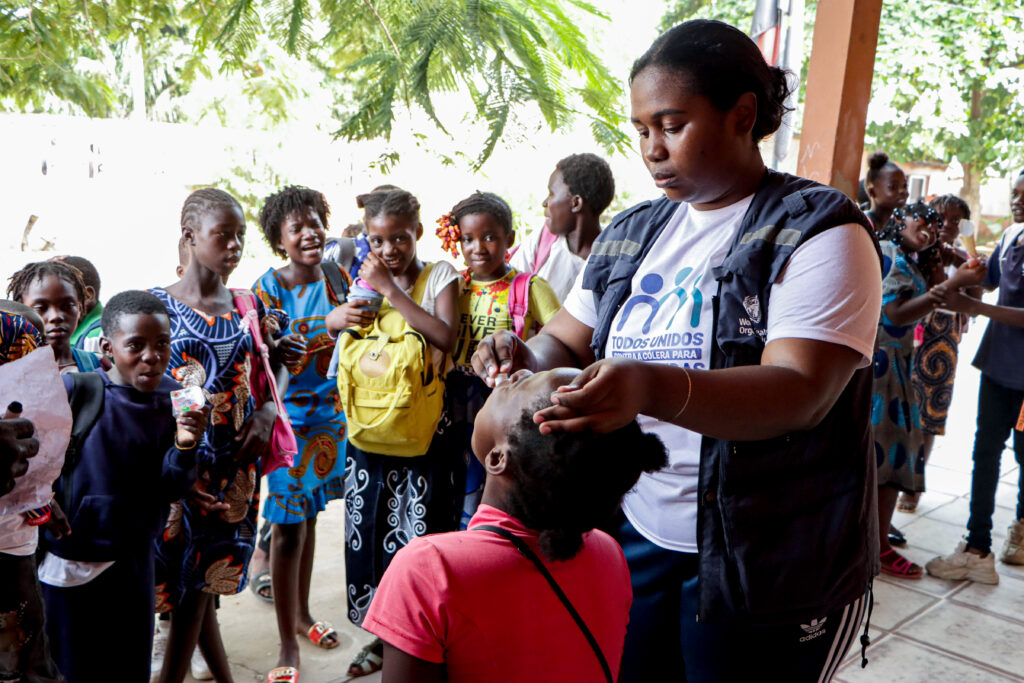
They note that over the past 50 years, vaccines have saved millions of lives across Africa and helped strengthen primary healthcare systems, including in Ghana. Today, vaccines protect people from infancy to old age, preventing diseases such as cervical cancer and helping to reduce illnesses like malaria.
However, they warn that gaps still remain. In 2024, about 6.7 million children in Africa did not receive even a single dose of the DTP vaccine. These “zero-dose” children increased by 91,000 compared to 2023, showing that access challenges persist in many communities.
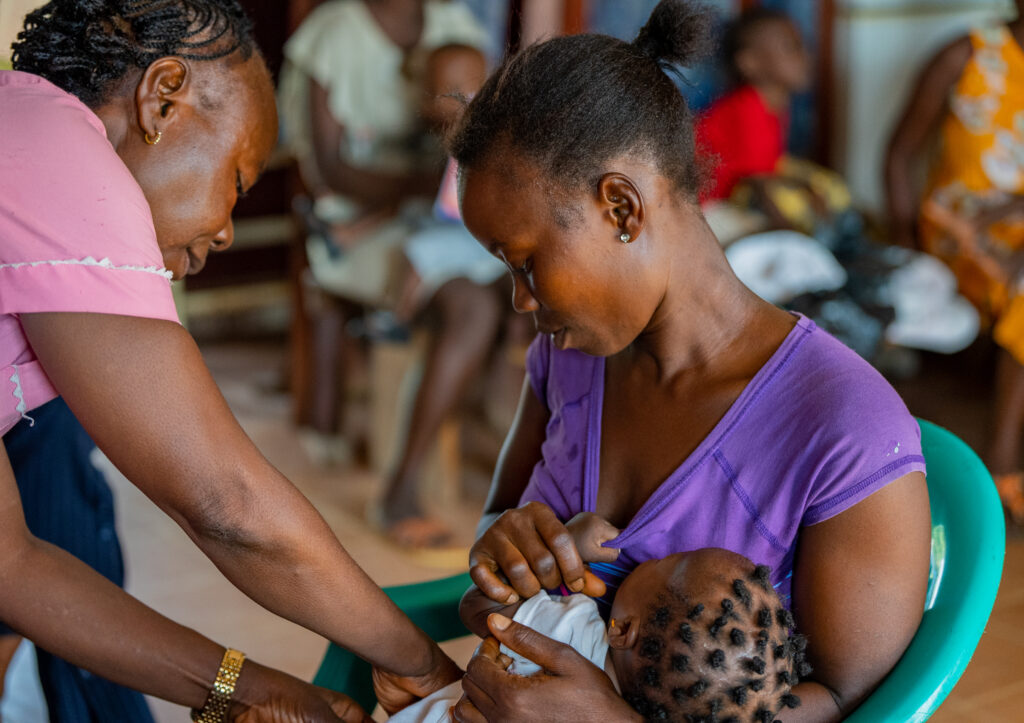
In Ghana, health workers often point to similar challenges in hard-to-reach areas, where distance to health facilities, poor roads, and lack of awareness can affect immunization coverage.
The authors stress that this is not due to vaccine failure. Vaccines are safe and effective. Instead, the challenge lies in reaching every child and strengthening health systems. Even so, there has been progress.
Across Africa, countries are expanding immunization programmes with support from partners. Coverage of the final dose of the HPV vaccine among girls rose from 32% in 2023 to 44% in 2024. The second dose of the measles vaccine also increased from 48% to 55%.
Ghana has also continued to roll out routine immunization through its health system, including outreach services and community-based campaigns aimed at reaching children in rural areas.
Efforts to close immunization gaps are also showing results. Nearly 9 million children across Africa who missed routine vaccines since 2019 have been reached through the “Big Catch-Up” campaign.
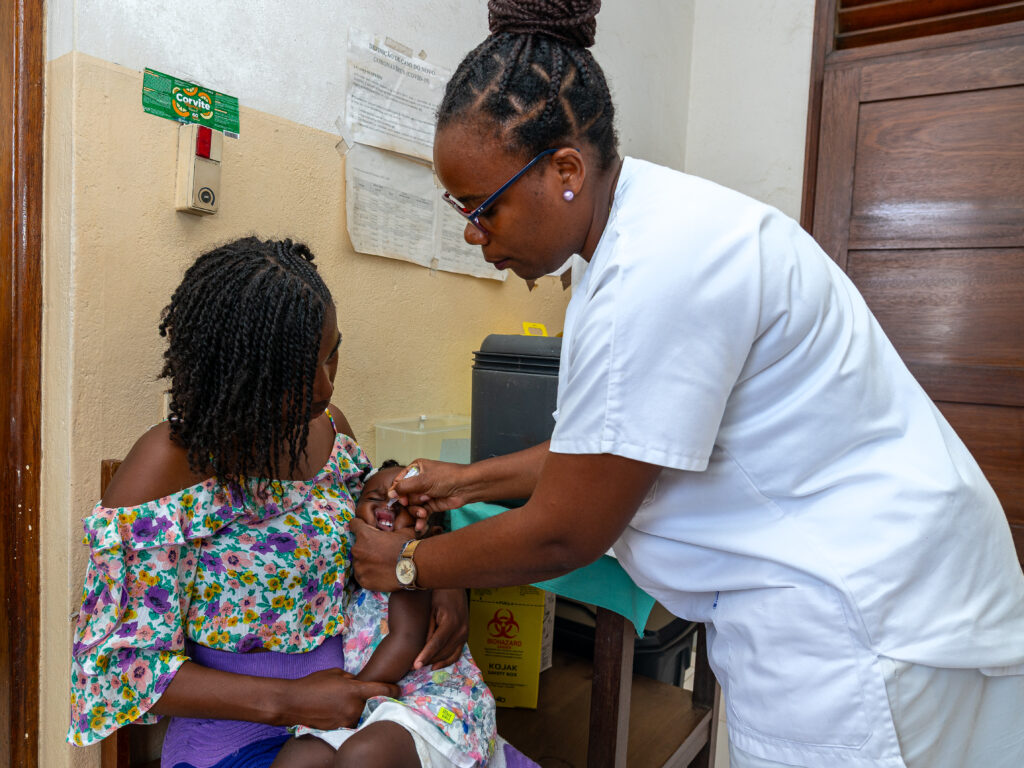
The authors say these gains show what is possible when governments, health workers, and partners work together.
Still, they warn that progress is uneven. Africa’s growing population is putting pressure on health systems, and in some areas, vaccination coverage is not keeping pace.
They call for stronger primary healthcare systems that can reach every child. This includes reaching children who have never received any vaccines, improving supply chains, supporting health workers, and using better data to track coverage.
In some communities, including parts of Ghana, misinformation and social concerns can affect vaccine uptake. The statement notes that building confidence in vaccines and in health systems is just as important as providing the vaccines themselves.
Across Africa, First Ladies through the Organization of African First Ladies for Development (OAFLAD), have supported community education and awareness campaigns to encourage families to vaccinate their children.
The authors say when mothers and caregivers are informed and supported, vaccination rates improve significantly.
At the policy level, African governments are working to strengthen health systems through agreements such as the Addis Ababa Declaration on Immunization. These efforts aim to increase domestic health funding, improve local vaccine production, and strengthen regulation through institutions like the African Medicines Agency.
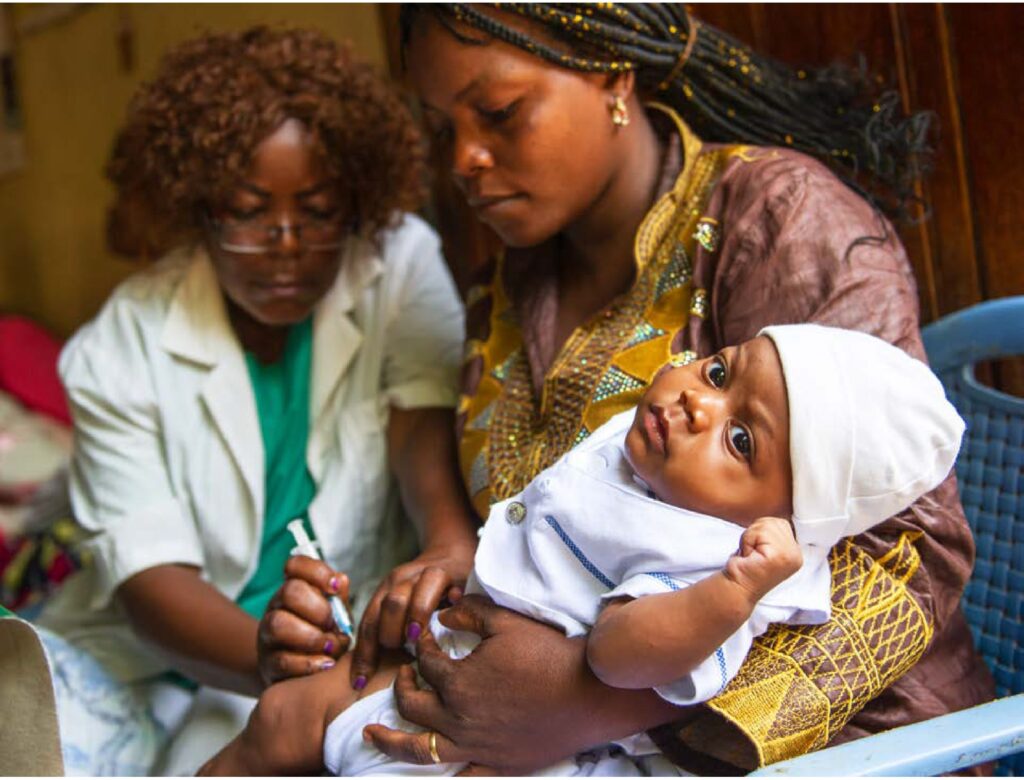
Beyond health, the authors stress that immunization also supports economic growth by keeping people healthy and productive.
As Africa Vaccination Week is observed, they are calling for renewed commitment from governments, partners, and communities.
They say vaccines alone are not enough. Health systems must work, leaders must act, and trust must be strengthened. Because while vaccines work for every generation, the challenge remains ensuring that every child in Ghana, and across Africa, is reached.
Latest Stories
-
GRA submits preliminary report on drug shipment case to Mahama – Commissioner-General
19 minutes -
Sammy Gyamfi using ‘procedural roadblocks’ to dodge defamation case? – Afenyo-Markin’s lawyers
20 minutes -
The illusion of a good deal: Why some everyday money-saving habits may be costing you more
35 minutes -
Family seeks autopsy, police investigation into death of student 12 days after Abomosu SHS enrolment
43 minutes -
Trade Minister urges employers to leverage industrial opportunities to create jobs
50 minutes -
Asantehene plants trees to commence Jimi Watercourse Rehabilitation destroyed by galamsey
1 hour -
15 arrested, 6 trucks impounded over sandwinning activities on Kumasi-Accra Expressway
1 hour -
OFFICIAL: Vinicius will miss El Clásico, suspended four games
1 hour -
Prayer vigil held after four arson attack murders
1 hour -
GRA fully recovers $154k legacy debt owed by foreign entities between 2022 and 2024
1 hour -
Kwesi Pratt Jr warns bus preachers are adding to passengers’ stress with accident prophecies
1 hour -
MTN Ghana to spend $1.1bn in 3 years, build 500 new sites as MoMo hits 44% Growth
1 hour -
I have no regrets joining Assemblies of God – Mahama
2 hours -
Starlink restrictions in Ukraine war linked to political situation, Zelensky aide says
2 hours -
Furniture boost for Techiman North schools as MP donates to 20 institutions
2 hours