

Audio By Carbonatix
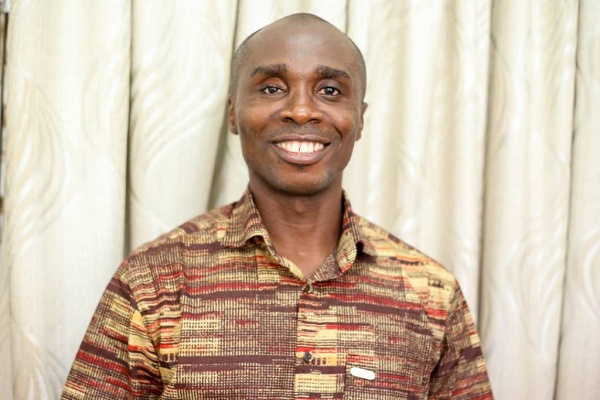
An Economist Dr. Patrick Asuming has said a debt cancellation will not provide the ultimate solution to the country’s economic woes.
Dr. Asuming explained that the country’s commercial debts are too enormous to make it possible for government to consider debt cancellation as an option to the debt exchange programme.
More than two dozen aid and campaign groups have called for international creditors to cancel a large portion of Ghana’s debts as it struggles to contend with an economic crisis.
The government asked to restructure its bilateral debt under the G20 common framework platform – launched in 2020 to help coordinate debt reprofiling and restructuring this month after announcing it would default on most of its external debt at the end of last year.
But speaking in an interview on Top Story, Thursday, Dr. Asuming said a debt cancellation has a limit to which it can solve the country’s economic challenges due to the chunk of commercial debt.
“We have to understand that a chunk of our debt is commercial so it’s easy to appeal to other governments and also multilateral partners for that kind of forgiveness, but I am not sure that it is feasible to ask what we have borrowed from the international capital market to get that kind of forgiveness.
“In a sense, we can see that option has been explored, but there is a limit to how much that can solve our problem because a huge chunk of our debts is commercial debt.
“We cannot turn to that and say we could just put aside the domestic debt exchange and go for that (debt cancellation),” he said.
Suggesting other options for government, he said “the obvious ones are there, we know that there is a question about cutting Ministers. I still think there is room in addition to cutting the Ministers, we have to think about consolidating some of the government agencies. In addition, we also have to review the efficiency of government spending.”
Meanwhile, the has called for a suspension of the domestic debt exchange programme expected to stabilise the country’s debt.
The Council in a statement dated January 19 signed by its Chairman and Secretary, said it has identified a lapse in the programme which is the lack of consultation with the affected institutions and individuals.
Latest Stories
-
Children among 109 dead after boat capsizes off Djibouti, UN says
11 seconds -
OmniBSIC Bank’s 11th health walk promotes fitness and business growth
9 minutes -
2026 World Maritime Day: Danish Embassy organises “The Gulf of Guinea Speaks”
32 minutes -
New Economy will tackle unemployment and restore hope – Ato Forson
37 minutes -
IMMILAC president recounts personal losses as security women lead breast cancer awareness campaign in Wa
45 minutes -
University of Ghana postpones October 12 reopening as GAUA strike persists
59 minutes -
Bahass Foundation launches vocational skills training to support mental health recovery in Wa
2 hours -
NPP orders parliamentary aspirants and their supporters to suspend campaign activities
2 hours -
Techiman unites against child marriage: Joy Impact Makers Awardee leads charge on International Day of the Girl Child
2 hours -
Ghana Psychological Association calls for greater involvement of people with lived experience in mental health care
3 hours -
Ablakwa says Ghana could evacuate more citizens from South Africa if the situation worsens
4 hours -
Violence against girls must be tackled through individual responsibility – Gender advocate
4 hours -
Ghana’s BRICS bid must be guided by national interest – International Affairs Analyst
4 hours -
Journalists look back on a decade of breast cancer reporting in Ghana
5 hours -
President Mahama ends Resetting Ghana tour of Ahafo Region
7 hours