


Audio By Carbonatix
The Conference of Heads of Assisted Secondary Schools (CHASS) has expressed worry over the growing levels of indiscipline in Senior High Schools across the country.
The heads of school want a stakeholders’ meeting to reconsider the withdrawal of corporal punishment and adopt proper disciplinary measures to protect students and teachers in second cycle institutions.
Speaking at the 59th Annual Conference of CHASS which ended on Friday November 19, 2021 at Bolgataga in the Upper East Region, President of CHASS, Alhaj Yakub Bin Abubakar, said; “The level of indiscipline in our schools is growing by the day and it is pervasive. From breaking common school rules, students are now involved in the use of hard drugs, pushing down school fence walls and engaging in fights using knives and cutlasses; inflicting serious wounds on themselves”.
“Vandalizing teachers’ properties like cars and farms are now common occurrences when teachers try to instill discipline. Are we in the dilemma of sparing the rod and spoiling the child?” Alhaj Bin Abubakar quizzed.
He said though CHASS is not against the withdrawal of corporal punishment, they “fear that the withdrawal [of the punishment] has emboldened students to misbehave” on campuses.
The CHASS President said something needs to be done urgently before the headmasters lose control of their schools.
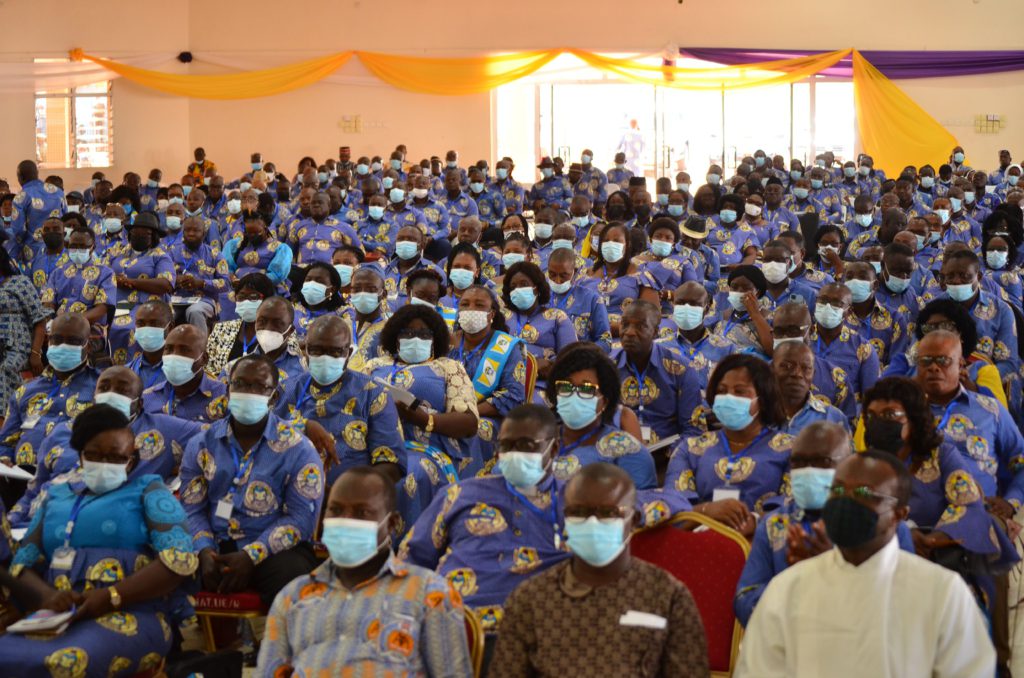
He called for, “a stakeholder consultation to look at the issue of indiscipline and see how we can come out with our own homemade disciplinary measures instead of adopting; hook, line and sinker, other jurisdictions’ approach of addressing indiscipline in our schools”.
The 59th Annual Conference of CHASS was under the theme; “Discipline and Child Rights in our Senior High Schools: the fate of the School Head”.
In attendance were headmasters/mistresses of various Senior High Schools across the country, representatives of various teacher and education unions and other stakeholders in education.
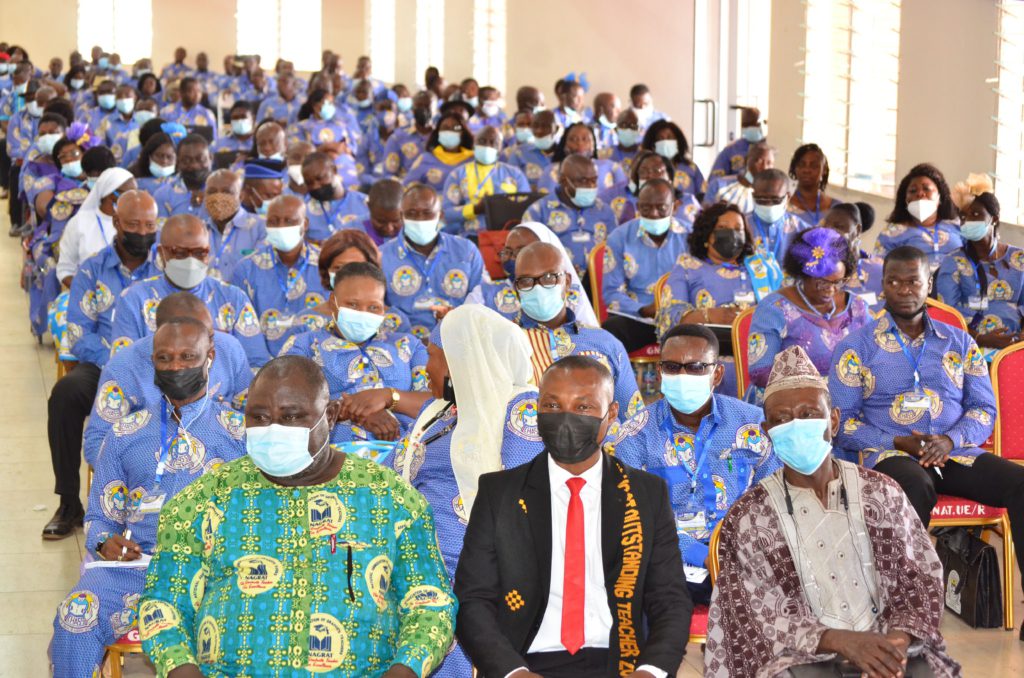
Various speakers who touched on the theme at the conference were of the view that the withdrawal of corporal punishment in Senior High Schools needs to be reconsidered.
A national representative of the National Association of Graduate Teachers [NaGRAT], Michael Ayuraboya said though the Ghana Education Service banned corporal punishment in schools, the Service did not proffer an alternative, thereby making it difficult for teachers to manage recalcitrant students.
“Today, nonperforming students cannot be repeated or withdrawn from the schools. Students with bad and questionable characters who should be withdrawn to protect those who want to study in the schools, remain in our schools”, Ayuraboya complained.
Delivering the keynote address at the conference, the Vice Chancellor of the CK Tedam University of Technology and Applied Sciences, [formerly the Navrongo campus of UDS], Prof. Eric Magnus Wilmot entreated the headmasters to find other ways of instilling indiscipline in students.
He suggested preventive, supportive and corrective discipline as measures teachers can adopt to keep students under control.
Preventive discipline he said, entailed; “establishing expectations, guidelines or school or classroom rules for behavior in order to proactively prevent disruptions”.
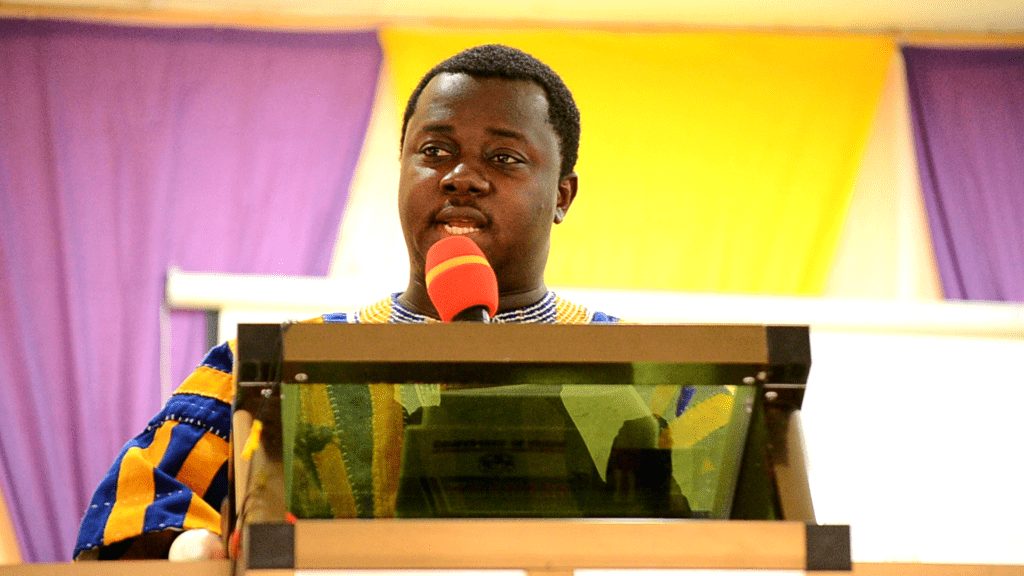
Deputy Education Minister, Rev. John Ntim Fordjour who attended the CHASS conference, said he believes the issue of indiscipline in Senior High Schools could be attributed to the quality of the students coming from the basic schools.
He said if the students are brought up to have a heart of conscience and humanity, a high level of discipline will be maintained in the schools.
“Essential moral and social values are required. And this can be achieved through the hidden curriculum, he said adding; “When we build in our students, essential societal values and indigenous Ghanaian values, it will go a long to ensure that high standards of discipline are maintained”, Rev. Fordjour said.
The Deputy Education Minister also indicated government’s willingness to dialogue with the heads of schools on how best disciplinary measures can be deployed to ensure good behaviors by students in schools, particularly with banning of corporal punishment.
Latest Stories
-
Two Invitations, Three Interrogations: Did Baffour Awuah tell the whole story?
5 minutes -
Drug cartels may be seeing Ghana as easy route – Lenin Anane Agyei
58 minutes -
Ghana risks gaining notoriety as drug-trafficking hub – Bobby Banson
1 hour -
Government dismissed my drug trafficking warning, then tried to arrest me – Ntim Fordjour
1 hour -
Day Two: 3rd Republic Bank-JoyNews Habitat Fair Clinic underway at Junction Mall
1 hour -
NACOC addressing inherited gaps in fight against drug trafficking – Deputy Director-General
1 hour -
Taekwondo goes to school as GTF launches five-region youth campaign
1 hour -
The issues Mourinho is struggling to fix at Real Madrid
2 hours -
Hundreds throng EducationUSA College Fair in Kumasi in pursuit of abroad studies
2 hours -
Drug bust: NACOC should be part of port inspection team – Twum-Barimah
2 hours -
Ward appointed Liverpool’s sporting director
2 hours -
This isn’t the first cocaine bust; NPP must stop the politicisation – NACOC deputy boss
2 hours -
Drug bust case: Only Customs officers, MPS officials in scanning room – NACOC
3 hours -
I don’t mind being insulted; I have a crocodile skin – President Mahama
3 hours -
Samson’s Take: Verify the badge – and verify the story
3 hours