

Audio By Carbonatix
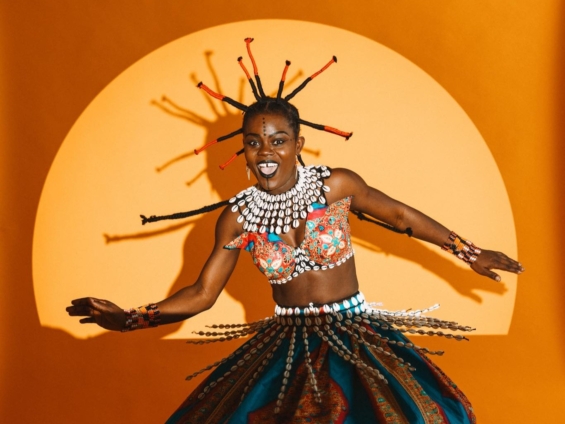
Ghanaian music star and cultural activist Wiyaala will be officially outdoored and enskinned as the paramount queenmother of the Funsi Traditional Area on January 17, 2026.
She announced the development on her social media platforms on Monday, January 5, 2025.
The ceremony marks a major moment in the traditional history of the area and expands Wiyaala’s role in cultural leadership and community development.
Chosen by the elders and kingmakers of Funsi, Wiyaala will take on responsibilities centred on women, children and broader community advancement. The traditional title provides her with a formal platform to support local initiatives while bridging customary leadership with contemporary advocacy.
To coincide with the enskinment, Wiyaala has launched the Pulung Festival, a one-day cultural celebration scheduled for the same date.
The festival will feature performances by Wiyaala, Samson B and Best Gally, alongside other local and international artists.
The event will showcase the heritage and creativity of the Funsi area while welcoming visitors to witness and participate in traditional rites.
Known widely as the Lioness of Africa, Wiyaala has built a career that blends dynamic stage performance with cultural preservation.
Her music and public work consistently highlight northern Ghanaian traditions and promote local languages and performance styles.
This new traditional role formalises a long-standing relationship between her artistic identity and her commitment to community advocacy.
The selection has been described as a thoughtful decision that links cultural stewardship with modern forms of influence. The Pulung Festival is being positioned not only as a celebration but also as a platform for addressing community priorities, with attention on programmes that support livelihoods and protect cultural knowledge.
For residents and visitors alike, January 17 will offer a rare opportunity to experience a blend of traditional ceremony, live music and community activities.
The event also reflects how contemporary cultural figures are increasingly engaging with traditional roles to support social and developmental goals in their home regions.
Latest Stories
-
Amin Adam questions government bond pricing as short-term yields fall below inflation
2 minutes -
Five new telephony cell sites to be activated in October 2026 – Sam George
7 minutes -
Amin Adam raises sovereign-bank nexus concerns as banks hold GH¢190bn in government debt
12 minutes -
Government to increase Free SHS feeding allowance in 2027 Budget – Haruna Iddrisu
17 minutes -
Nadowli-Kaleo NCCE engages women’s groups on rule of law, corruption fight
18 minutes -
Mahama visits factories in Afienya/Tema
23 minutes -
TraffiTech-GH pilot reduces road crash injuries, fatalities
28 minutes -
IMF Chief identifies 2 major threats posed by AI to global economy
33 minutes -
Go back to the hand washing days – Ghanaians told
38 minutes -
GoldBod commits GH¢35m to reclaim galamsey-damaged Tano Nimri Forest Reserve
43 minutes -
Afenyo-Markin reflects on loneliness of public service, says survival is largely spiritual
50 minutes -
Achimota Court designated to handle petroleum diversion cases – NPA CEO
58 minutes -
Bekwai court jails mine worker 14 years for defiling 8-year-old girl
1 hour -
CHASS conference calls for collective action to tackle indiscipline in schools
1 hour -
Oil edges down as investors weigh possible US sanctions on ‘shadow fleet’
1 hour