

Audio By Carbonatix
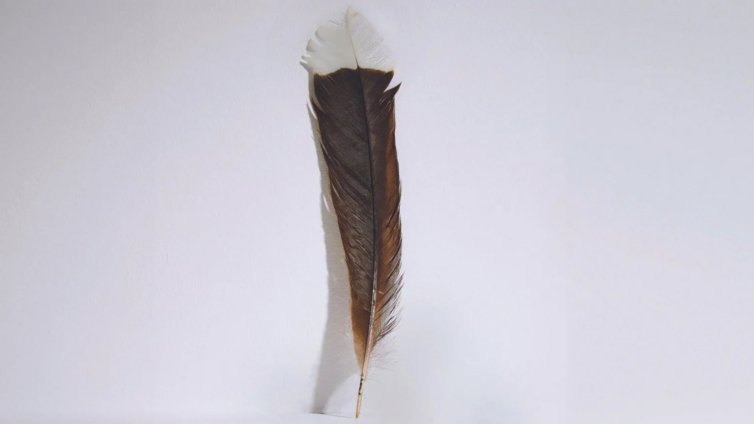
A single feather of the now extinct New Zealand huia bird has set a world record after being sold for NZD$46,521.50 ($28,417, £22,409) at an auction.
The feather, initially expected to fetch up to $3,000, broke the previous record which was for a feather of the same species by 450%, the Webb's Auction House said.
The huia bird was sacred to the Māori people. Their feathers were often worn as headpieces by chiefs and their families and also gifted or traded.
Its last confirmed sighting was in 1907, but unconfirmed sightings were reported for twenty to thirty years after that, according to the Museum of New Zealand.
The huia was a small songbird of the wattlebird family in New Zealand and was known for its jumping abilities and beautiful plumage, which is distinct for the white tip across the edge.
The feather sold on Monday was "in wonderful condition", says Leah Morris, Head of Decorative Arts at Webb's Auction House.
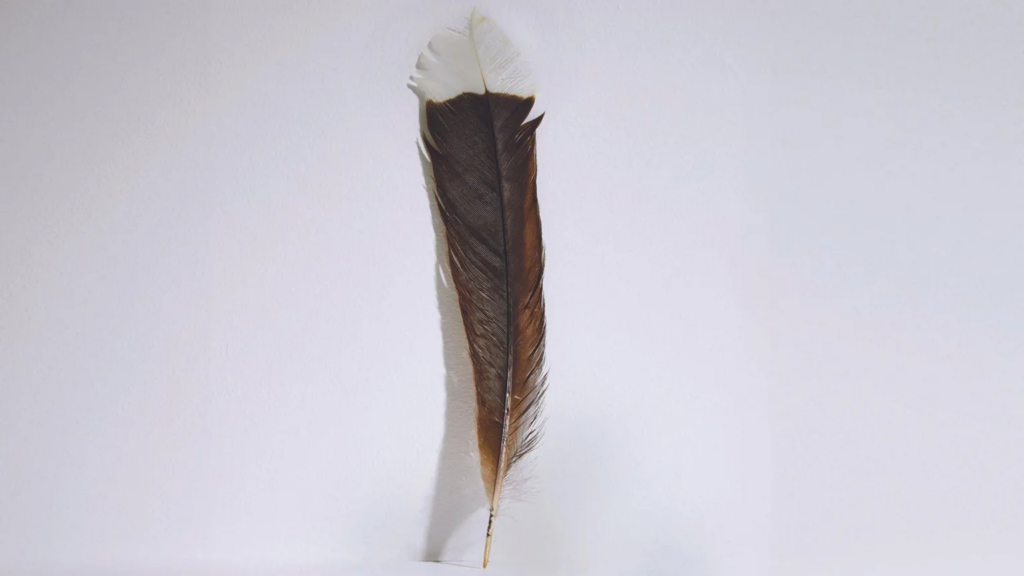
"It still has its very distinct sheen to it, and there was no insect damage," she told the BBC.
She adds that the auction house framed the item behind UV protective glass and with archival paper, which means it will have a "really long life".
The feather is registered as a taonga tūturu under a system to protect Maori made objects. Only collectors who had license in the system were allowed to purchase it, and it can not leave the country without permission from the Ministry of Culture and Heritage.
High interest and enthusiasm from New Zealanders also helped boost the price, according to Ms Morris.
"We got a record number of people are seeing how to become registered collectors," she says. "In New Zealand, we care so much about looking after the land, and the environment and our flora and fauna."
"And I think maybe because this bird is now extinct, we'd look at other birds in New Zealand and say, we don't want that to ever happen again," she adds.
In the past, the huia feathers were a status mark to Māori people. Already a rare bird before the arrival of Europeans, the species became a target for collectors and fashion merchants after it gained popularity among those who came to New Zealand, which led to its extinction, according to the Museum of New Zealand.
Latest Stories
-
Declan Rice close to agreeing new Arsenal deal
16 minutes -
‘Draining’ few days for Gauff after online racist abuse
25 minutes -
Media worker, journalist remanded over alleged GH¢800,000 fraud
34 minutes -
PAC sends Ghana Water hearing back, demands Minister and MD appear over financial status
43 minutes -
Foreign Affairs Minister inspects 20+ visa centres, demands better conditions for Ghanaian applicants
1 hour -
Guardiola set to attend Man City v PSG next week
1 hour -
GACL to hold full-scale emergency simulation exercise on October 15
1 hour -
327 entries submitted for 30th GJA Media Awards
2 hours -
Mahama proposes rent-to-own scheme for unfinished houses
2 hours -
Mahama wants banks to introduce affordable housing loans within six months
2 hours -
Photos from National Conference on Housing Finance
2 hours -
Italy, Ghana unite 40 artists for ‘Beyond Creation’ exhibition at Accra Art Centre
2 hours -
Premature to call for Sports Minister’s removal while CID probe is ongoing – Ernest Norgbey
2 hours -
NPP mourns Samuel Arthur Odoi-Sykes
3 hours -
Stay out of World Cup visa probe to avoid interfering with CID investigations – Ernest Norgbey to politicians
3 hours