

Audio By Carbonatix
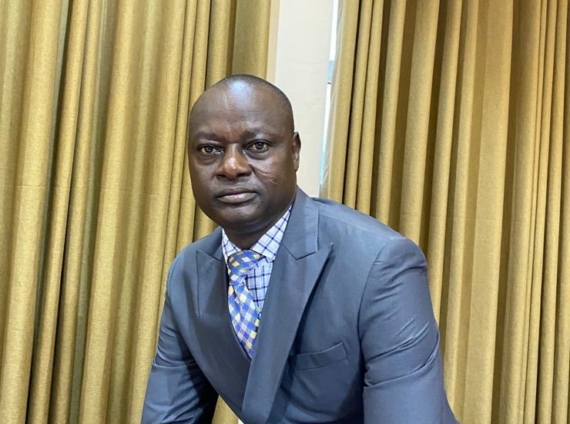
Executive Chairman of the Food and Beverages Association of Ghana (FBAG), John Awuni, says the Finance Minister’s 2024 ‘Nkunim’ budget statement and economic policy did not meet his expectations.
According to him, the Minister had failed to take into consideration any of the requests and suggestions his association had made.
He said his association had called for the removal of certain taxes and levies including the covid-19 levy, the excise duty on food and drinks among others, but none had been met.
“It was our view that covid-19 levy should be removed, it was our general view that excise tax on food and drinks should be removed, it was our view that they should kind of remove the special import levy at the port, it was our view that they should have a bit of interest in the way electricity tariffs are reviewed particularly with the manufacturing sector. It was our view that they should engender some kind of activity in the private sector,” he said.
According to John Awuni, the budget as it is will not engender any growth in the private sector and will not contribute significantly to the alleviation of the ordinary Ghanaian’s hardship.
“We wanted to see a budget that will reflect in the lives of the common man so that come first January when you go into the market to buy kenkey, it may reflect in the price of that kenkey.
“We wanted to see that if you go and buy waakye it will reflect in the price of that waakye. At least, even if the price of that waakye will not go down, it should stabilize. But as it is now it doesn’t look so,” he said.
On the exchange rate, John Awuni stated that the Finance Minister gave no indication of working to reduce Ghana’s cedi depreciation against the dollar.
He said, the current rate of 12 cedis to a dollar is too high and that Minister should have included a plan to reduce it to a single digit.
“In the budget, the exchange rate it appears that we are kind of comfortable with the 12 cedis to one dollar that we have so we say that the exchange rate is stabilized.
“But I haven’t seen any serious efforts pointed out in the budget that we’re hoping that in the year 2024, second quarter, third quarter, the USD will reduce and the cedi will strengthen against the US dollar so that we could get to 9cedis or 7 cedis or 8 cedis to one dollar.
“That is one particular thing that could have brought a lot of hope to the private sector. Because one thing that erodes the capital of the private sector generally is the exchange rate and the level of unpredictability of that we have in the market in this country leaves much to be desired,” he said.
Latest Stories
-
Mahama honoured at 2026 World Health Summit in Berlin for global health leadership
2 minutes -
Breast cancer is not a death sentence – Besease Kontire Obaapanin, Magmina Foundation lead awareness campaign
4 minutes -
EcoBank invests in digital education of 4 Garisson School to mark 40 years in Africa
35 minutes -
AGI urges investment in skills and raw materials to strengthen local manufacturing
38 minutes -
GPL 2026/27: ‘We have to rectify our mistakes’ – Boadu reacts to Aduana FC defeat
39 minutes -
No disability access, no building permit – KMA declares
39 minutes -
Asantehene to lead environmental restoration effort at Jimi Land Reclamation Site
43 minutes -
Poor Ghanaians are being jailed because they cannot afford justice – Crime Check Foundation
44 minutes -
No conflict in appointing Emelia Agbenyo as Deputy EC Chair – NDC
45 minutes -
87-year-old man jailed 20 years for defiling 9-year-old girl at Ofankor
47 minutes -
Sankofa Gold targets 70kg output after 9-month shutdown
50 minutes -
Tamale, Bolgatanga had just one Legal Aid lawyer between them – Kwesimintsim MP
57 minutes -
PAC orders eviction of former irrigation company MD from official residence
1 hour -
Legal Aid Commission has offices in only 45 of Ghana’s 261 districts, needs 180 more staff
1 hour -
Challenging Heights welcomes Ghana’s Tier 1 ranking, calls for more anti-trafficking funding
1 hour