

Audio By Carbonatix
The Centre for Policy Scrutiny (CPS) has raised concerns over the 2026 budget’s ambitious revenue projections, warning that unrealistic targets could undermine Ghana’s fiscal stability if not carefully managed.
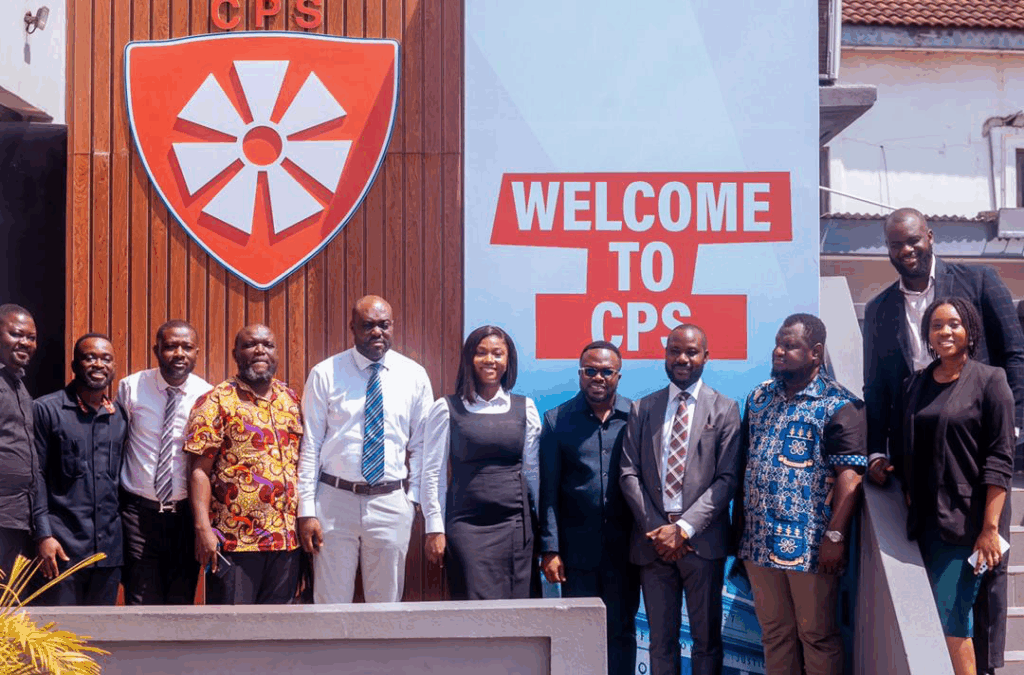
During a media briefing on Thursday, November 20, 2025, on its Review of the 2026 Budget, CPS noted that while government has made strides in stabilising the economy through lower inflation and declining interest rates, the projected revenue figures in the 2026 budget appear overly optimistic given current economic realities.
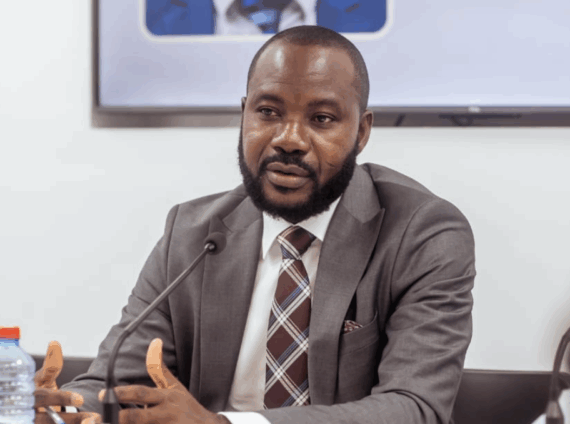
“Revenue mobilisation remains a major challenge for Ghana. While we commend the government’s efforts to control expenditure and maintain macroeconomic stability, the budget’s revenue targets may be difficult to achieve without substantial improvements in tax compliance, efficiency, and enforcement,” Executive Director, Dr Adu Owusu Sarkodie said.
The CPS review highlighted that government plans to increase tax revenues significantly next year, relying on both domestic collections and growth in the informal sector.
It warned that without structural reforms, such as digitalisation of tax systems and stricter monitoring of revenue leakages, these projections could fall short, potentially forcing the government to resort to additional borrowing.
“Failure to meet revenue targets could limit the government’s ability to fund critical infrastructure and social programs,” the review added.
“It could also put pressure on the fiscal deficit and compromise the sustainability of public finances.”
The CPS emphasised the importance of aligning budget expectations with realistic economic performance indicators.
It urged the Ministry of Finance, together with the Ghana Revenue Authority (GRA), to strengthen measures for revenue collection, enhance transparency, and ensure that assumptions underpinning the budget are grounded in verifiable data.
Despite these concerns, CPS acknowledged positive aspects of the 2026 budget, including its focus on disinflation, lower interest rates, and investments in infrastructure and job creation.
However, the centre stressed that without credible revenue mobilisation strategies, these gains may be at risk.
It maintained that while the 2026 budget presents opportunities for accelerated recovery, the success of the plan hinges on realistic revenue mobilisation and fiscal discipline.
“Ambitious targets are beneficial only if backed by effective execution. Otherwise, they risk becoming a source of fiscal vulnerability rather than a driver of sustainable growth,” Dr Sarkodie emphasised.
Latest Stories
-
Ghana explores centre of excellence for hearing, communication and cochlear implant care
1 hour -
Schizophrenia-related disorders lead mental health cases recorded in Ghana
2 hours -
Dutch authorities enlist Ghana in hunt for fugitive drug lord Bolle Jos
2 hours -
Ghana housing finance conference adopts communiqué to improve affordable housing access
6 hours -
Special Initiatives Minister urges Wa Technical Institute to enrol more girls as EU-backed solar training lab opens
7 hours -
In the matter of my first year at the Bar
7 hours -
ActionAid Ghana calls for an end to child marriage, greater investment in girls’ rights
7 hours -
Newsfile to tackle World Cup visa scandal, beach demolitions, education strikes, BRICS bid
8 hours -
UK-Ghana Trade & Investment Summit: Trade Resource Centre to help businesses maximise UK-Ghana trade opportunities
8 hours -
Embassy of Denmark celebrates World Maritime Day
8 hours -
Linking LEAP to productive inclusion could cut extreme poverty by 2030 – UNICEF
9 hours -
Trade Ministry backs use of creative arts to rehabilitate prison inmates
9 hours -
Negotiations with government to continue despite strike suspension – GNAT
9 hours -
‘Ghana cannot afford to waste public resources; every cedi has a job’ – Ato Forson
9 hours -
Ghana expects economic boost as World Assemblies of God Congress brings 10,000 delegates to Accra
9 hours