

Audio By Carbonatix
Baghdad, Iraq - A jaw, various bones and a few personal belongings - plastic pocket comb with broken teeth, dog tags and metal wristwatch - were among the remains recently unearthed of a man killed during the Iran-Iraq War.
The heartbreaking photos - posted on Facebook with details on the area where the remains were discovered, along with the soldier's name - are grim reminders of the bloody 1980-88 conflict that still affects many Iraqis today.
"The remains of the Iraqi military officer Elawi Youdan Abbas were found in the Iraq-Iran border in Maysan province," says the post, one of numerous such announcements that pop up on social media from time to time.
"Please share the post so that his family knows," it adds.
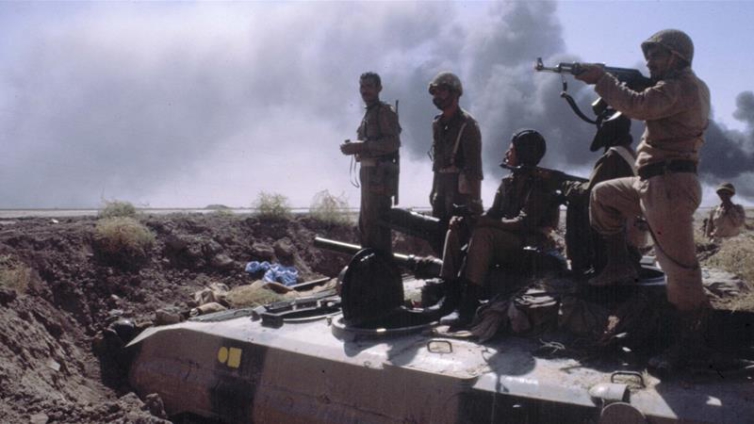
Forty years ago on Tuesday, Iraq took Iran by surprise by waging a wide-scale war driven by border disputes and dictator Saddam Hussein's ambitions to be the undisputed leader of the region. Back then, Iraq argued the conflict started earlier - on September 4, 1980, when Iran shelled Iraqi border points.
After eight years of fierce battles in which the United States, other western nations, and a majority of Arab countries supported Iraq, internationally isolated Iran accepted a peace deal brokered by the United Nations in August 1988.
The conflict is considered one of the deadliest conventional wars in modern history, in which even chemical weapons were wantonly used. An estimated 500,000 people were killed on both sides, while hundreds of thousands were either wounded or reported missing.
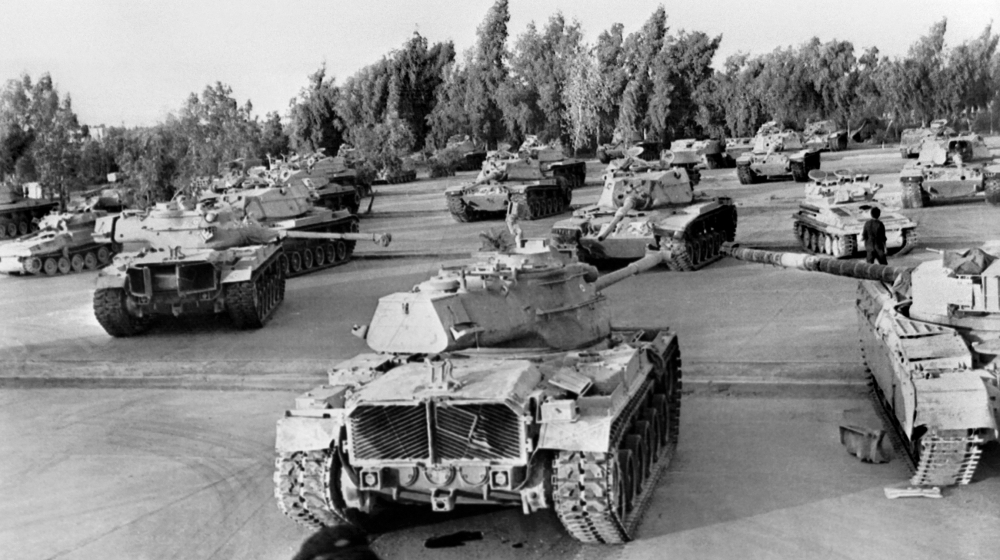
Neither nation declared victory, and both armies ended in the same positions where they started. The lengthy and bitter conflict not only left the two countries with heavy human losses and economic disruption, but it also impacted the region for years to come.
"The Iran-Iraq War has introduced a new culture in the Middle East influenced by new intellectual and military legacy," said Hadi Jalo Marie, chairman of the Political Decision Centre think-tank in Baghdad.
"The majority of the events in the region that followed can be traced back to that war," Marie added.
Despite the human and economic catastrophe suffered by the two nations, the war's ramifications were felt far beyond their borders.
The confrontation divided the region along sectarian lines, as it was seen as a war between Sunni-led Iraq and Shia-revolutionary Iran.
It also foreshadowed Iraq's invasion of Kuwait in 1990 over disputes over billions of dollars in loans that Hussein accumulated from Kuwait and other countries as part of his war chest in the battle against Iran.
The Kuwait invasion brought the first US attack on Iraq, crippling UN-imposed sanctions and, eventually, the 2003 US-led invasion that toppled Hussein.
One of the motives of the 1980-88 war was to prevent Iran's Islamic Revolution from reaching neighbouring Arab countries, prompting Gulf states to support Saddam's Iraq.
But four decades later, Tehran's influence in the Middle East - and particularly over Baghdad - has greatly increased, and Gulf states "are still looking for an Iraq that looks like Saddam's" to confront Iranian sway, Marie noted.
Vivid memories of the war still haunt those who took part in it.
Poet and writer Alawi Kadhim Keshish, 58, said despite the agony he feels when he writes about the five years he spent on the front lines, he feels obligated to chronicle some of the war's events and tell his personal stories.
"The war is squalor," Keshish, a resident of Karbala city south of Baghdad, told Al Jazeera. "War is a successful project to turn the human being into garbage."
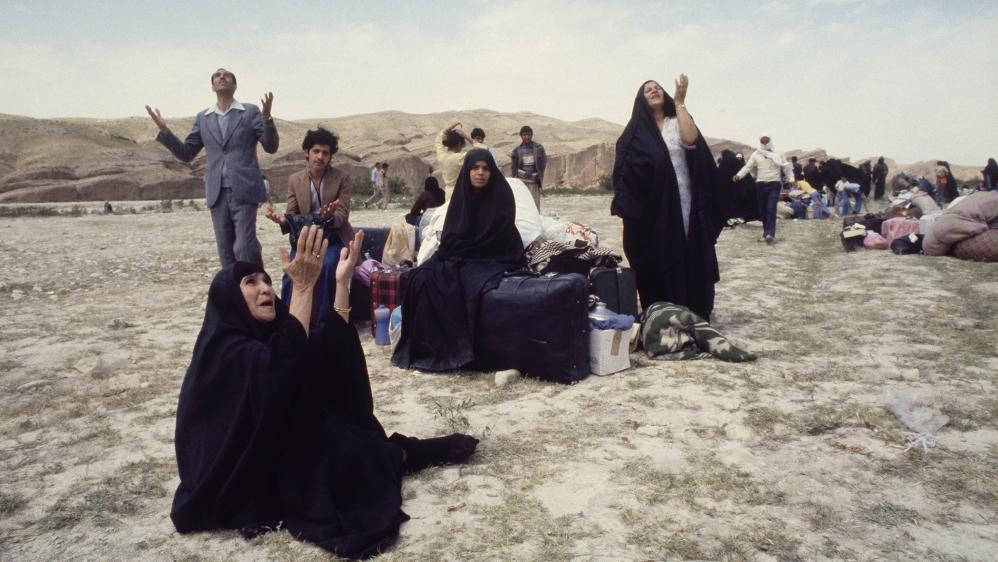
In a piece titled The Mothers' Hearts Are the War's Delicious Food, he tells a story from 1987, when he encountered a woman waiting at a bus station frequented by soldiers in the southern border province of Maysan, in hopes of finding her missing son or hearing word of his fate.
"As I entered the station, a woman who looked like my mother with tears dried up on her cheeks approached me and asked with a tired voice: 'Have you seen my son Karim?'" he recalls.
"I turned my face away in order not to burst into tears."
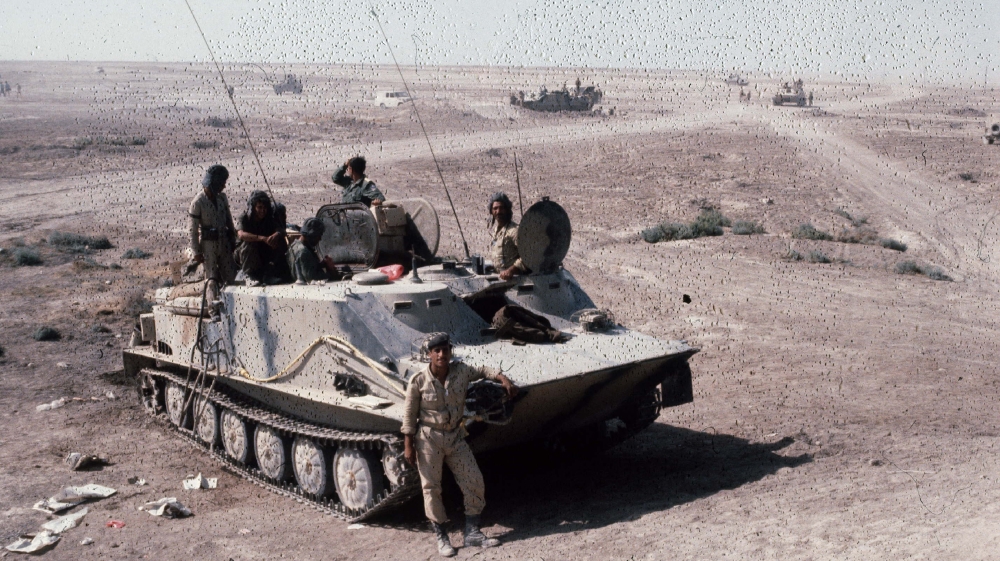
Despite all these years, "I still wake up sometimes with panic attacks hearing the whistle of the shells and the wail of the wounded soldiers," says Keshish.
Latest Stories
-
NACOC needs more personnel to tackle drug trafficking – Toobu
1 minute -
Railway workers resist KMA eviction order, demand consultation
3 minutes -
Legacy Leadership Africa Institute to host boardroom women’s leadership programme
15 minutes -
Ghana needs a law to sustain constitutional reforms – CDD-Ghana
4 hours -
COVID fumigation audit: Auditor-General has a lot of questions to answer – Akwatia MP
4 hours -
Stranded Ghanaian medical graduates in Cuba appeal to Mahama for immediate return
4 hours -
GNFS contains fire outbreak at Teshie Lekma Road near Lekma Hospital
10 hours -
Samia Nkrumah rejects the narrative that Ghanaians were happy after Nkrumah’s overthrow
11 hours -
A Mother’s pain: Tribute by Ivan Baidoo’s mother
11 hours -
‘Forgive us for staying away’ — Samia Nkrumah leads family back to Nkroful, pledges to preserve Nkrumah’s legacy
11 hours -
Ernest Nuamah scores twice as Lyon beat Rennes
11 hours -
‘My dear Ivan’ – A father’s tribute to a son tragically killed
12 hours -
GNPC Explorco advances Voltaian Basin drilling preparations with 13.5km access road
12 hours -
Cabinet approves facility manager for Borteyman Sports Complex – Kofi Adams
12 hours -
Sanitation is improving; critics may be ‘living in another world’ – Salaga South MP replies Bekwai MP
13 hours