

Audio By Carbonatix
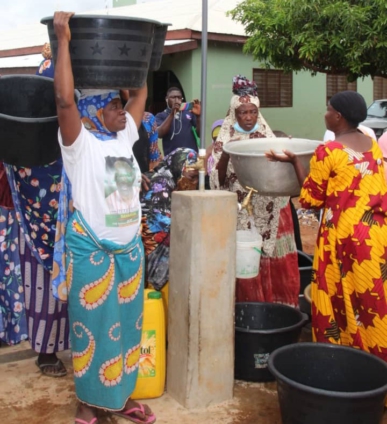
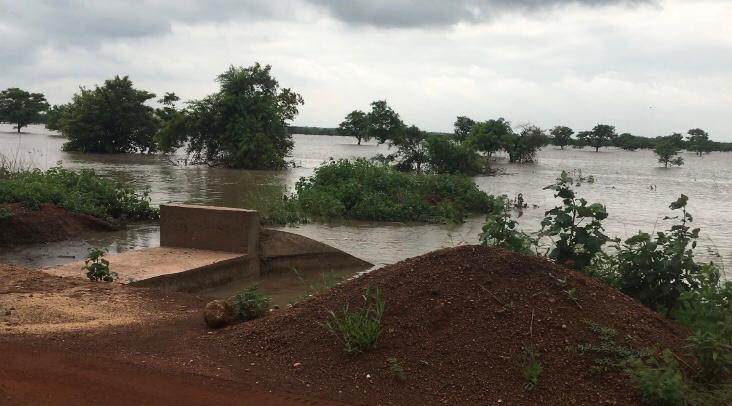
Over 300,000 people in some 265 disaster prone communities (DPC) in the northern part of the country have benefited from the Water, Sanitation and Hygiene (WASH) Programme jointly implemented by four United Nation agencies in collaboration with key public sector institutions in the country.
The facilities include the construction of mechanised water supply systems, hand washing facilities, resilient boreholes, toilet facilities, an extension of Ghana Water supply systems among others.
Beneficiaries are from the Northern, Upper East, Savannah, Upper West and North East Regions.
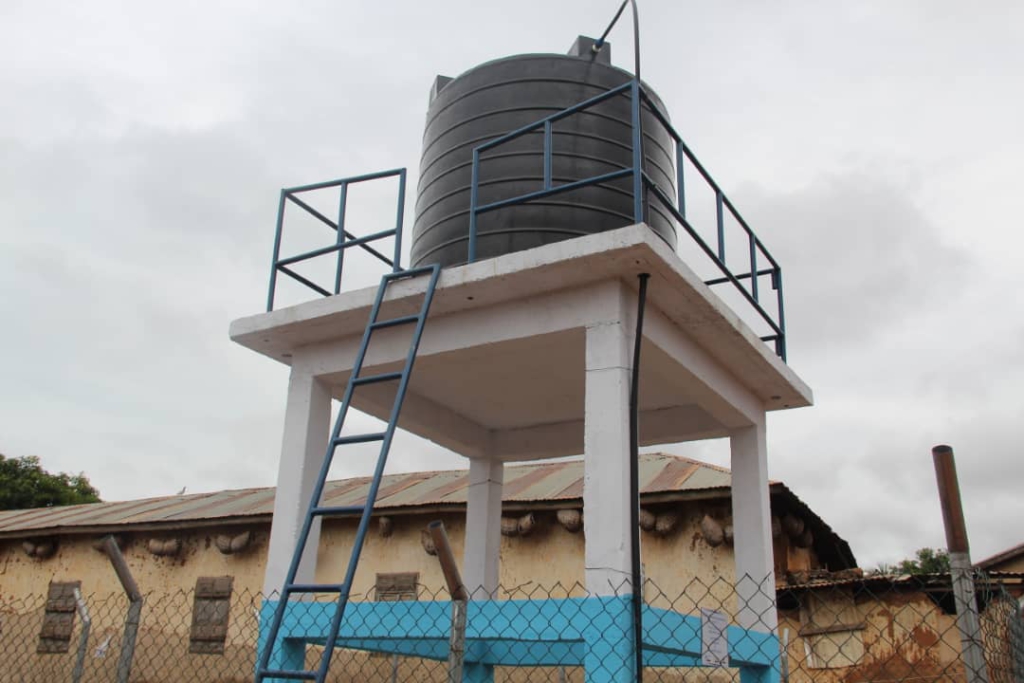
The Water, Sanitation and Hygiene in Disaster Prone Communities (WASH in DPC) project was designed by UN partners – UN-Habitat, UNDP, UNICEF and the WHO to provide flood resilient WASH facilities for communities, schools and healthcare facilities in these communities.
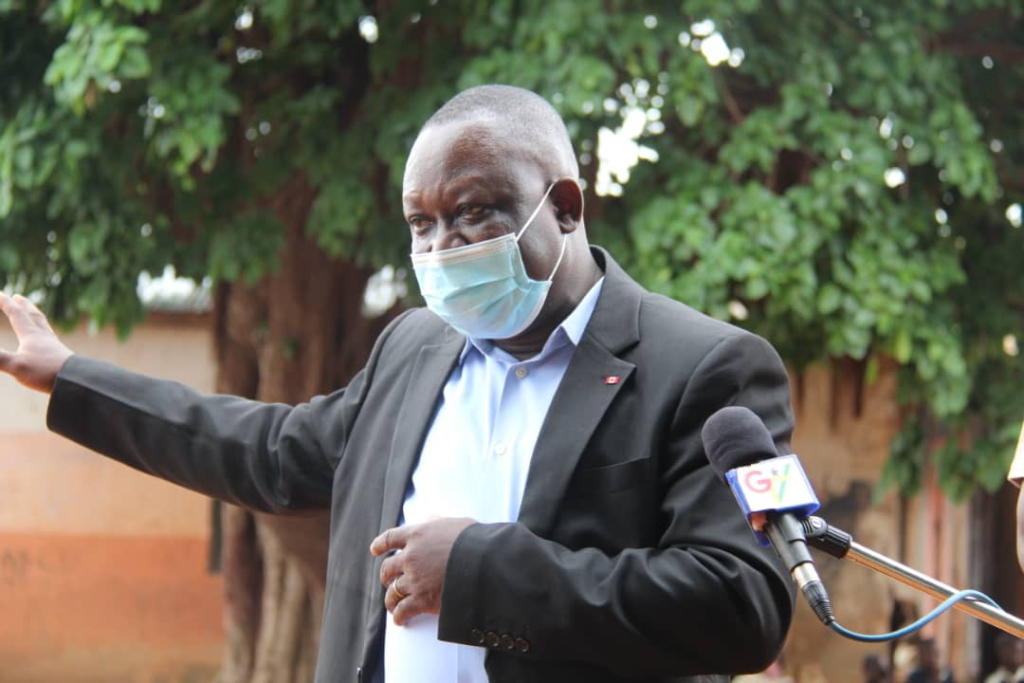
Speaking at the WASH in DPC close-out event in Tamale to reflect on the achievements made since the commencement of the project in 2014, Development Officer at the Canadian High Commission in Ghana, Eric Chimsi said the C$20million grant project was to provide relief and basic disaster mitigation capabilities to people in low-lying communities where flood disasters were a yearly ritual.
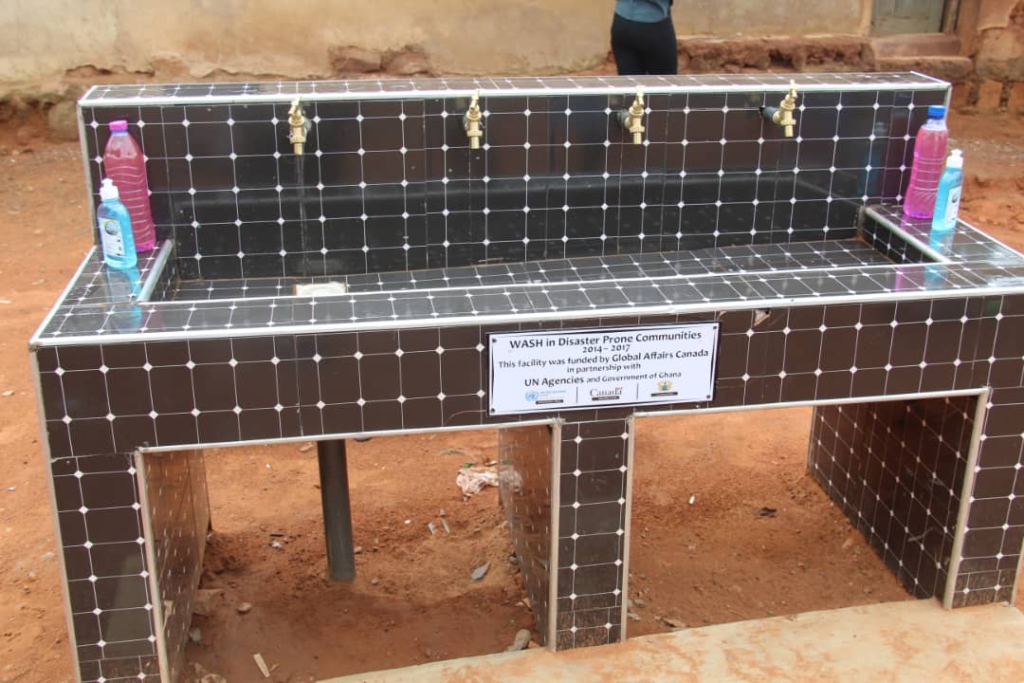
He said it was also to provide social inclusion and universal access to WASH and other essential services.
“Canada’s aspiration is for an inclusive society where everyone’s needs are met irrespective of geographical location, economic status or social standing,” Mr. Chimsi said.
Disaster Response Teams (DRTs) under National Disaster Management Organization (NADMO) according to him, have been trained and provided them with basic search and rescue kits for early warning and rescue mission.
Meanwhile, the Development Officer has urged the government and its agencies responsible for water and sanitation to adopt the flood resilient WASH designs created by UN partners and replicate them in other flood-prone areas.
Mr. Chimsi also urged NADMO to continue with the periodic reconstitution and retraining of community-based DRTs for early warning and disaster risk mitigation.
In conclusion, he expressed appreciation to the UN and its partners for the strong cooperation to help achieve what he described as a complex project within the three-year timeline.
Latest Stories
-
South African airline defends low-altitude aerial stunt over packed stadium
15 minutes -
Special Prosecutor needs adult supervision – Martin Kpebu
24 minutes -
Africa’s food systems must be judged by what farmers earn – AGRA
45 minutes -
Raphinha & Lamine Yamal score twice as Barcelona beat Rayo Vallecano
2 hours -
Everton agree £40m fee for Monaco striker Balogun
2 hours -
Mudryk to Spurs as Chelsea’s Sanchez heads to Como
2 hours -
Saka scores agaian as Arsenal beat Aston Villa
2 hours -
Man City open talks with Chelsea over Enzo Fernandez move
3 hours -
Man City agree £65m deal for Everton’s Ndiaye
3 hours -
Kushner states regret over World Cup sell-off plan
3 hours -
50,000-litre LPG tanker fire contained on Tema Motorway as Fire Service averts disaster
3 hours -
Supreme Court clears way for Trump to keep building White House ballroom
3 hours -
Amazon rigged billions in ad pricing, lawsuit from states and US watchdog alleges
3 hours -
US singer D4vd’s celebrity lawyers withdraw from murder case
4 hours -
How Shein lost its shine ahead of long-awaited stock market debut
4 hours