

Audio By Carbonatix
The Acting Country Director of Aurum Institute, Ghana, has advised journalists who write on health-related issues to seek the correct information from health professionals before putting it in the news since the news-consuming public mostly takes everything they say as the truth.
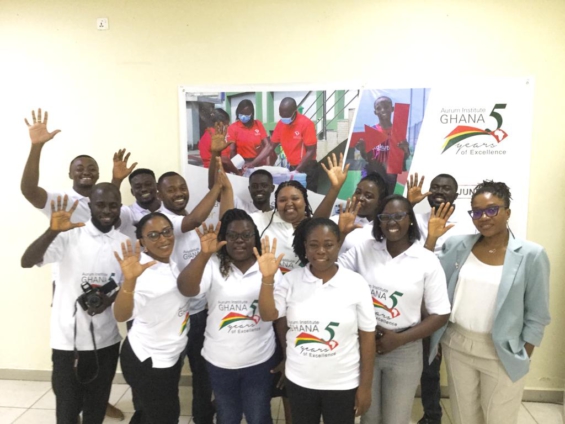
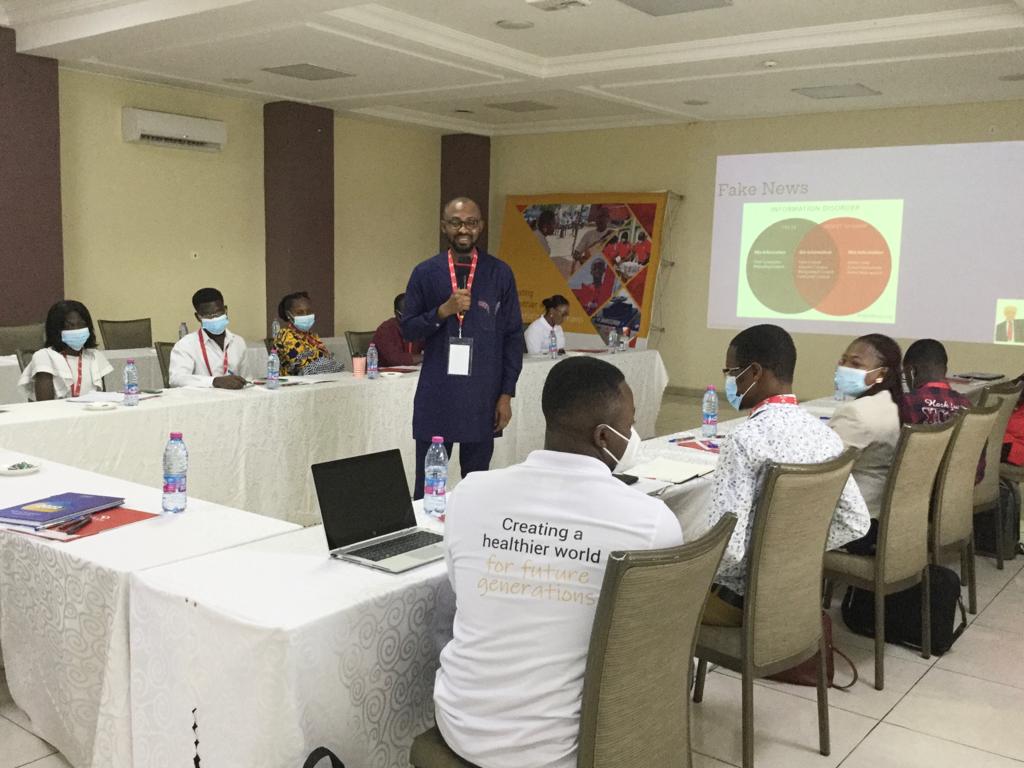
Jabina Anaman, speaking at a day’s training workshop for journalists as part of its fifth anniversary in Ghana.
He said news consumers have very little or no access to medical professionals to help cross whatever information journalists put out.
"So, in that respect, it is important that any health-related information the journalists put out should be correct since anything less could harm the consumer.
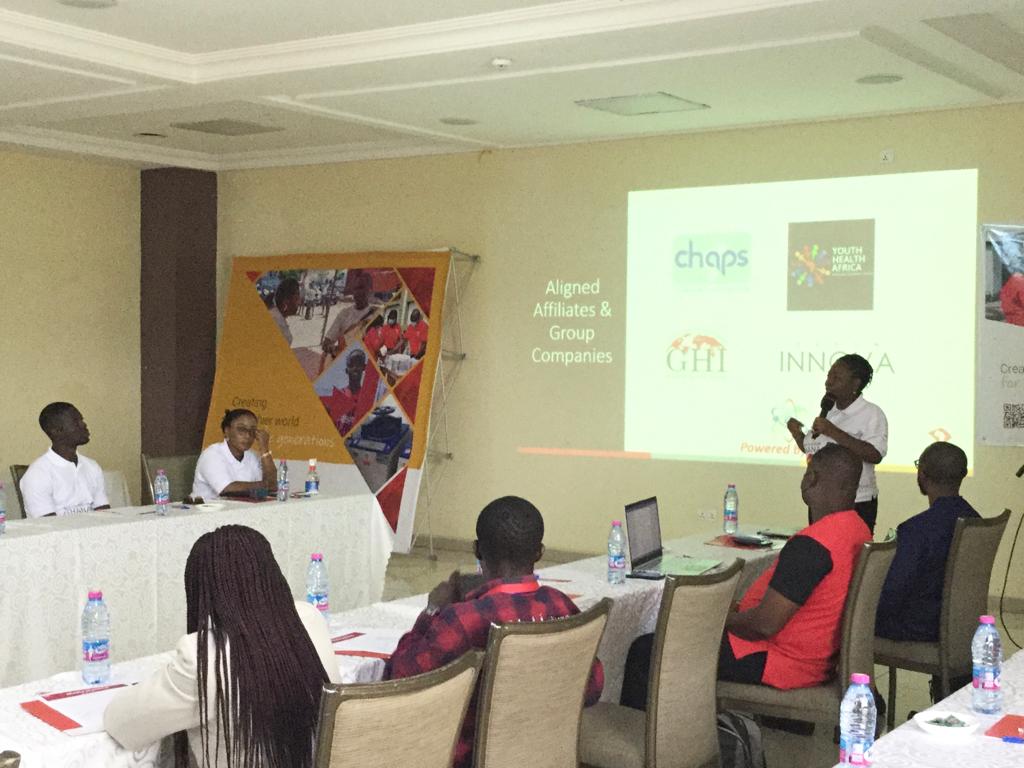
“You (media) are more trusted regarding information dissemination, so we are confident this training will equip you with the right skill set to inform the public on the right health issues appropriately.”
Aurum Institute Ghana is a pan-African organisation working to advance health science and innovation, through research and policy formulation, for the greater good of the public.
Aurum Ghana is part of the Aurum Institute group, which has its head office in South Africa, with offices in Mozambique, eSwatini, Lesotho and the United States.
Since it started in 2017, the institute has collaborated with the Energy Ministry and the Ghana Health Services to champion healthcare systems toward early detection of Tuberculosis and HIV-related health problems in selected communities.
It has also collaborated with health delivery institutions in the private sector to deliver quality healthcare for the population.
Through its UNITAID-funded IMPAACT 4th project, the institute is scaling up TB preventive therapy in the country, using the 3HP, which helps control TB infections.
Other speakers at the day’s training workshop were Rabiu Alhassan of Fact Check Ghana.
The former journalist advised his colleagues to thoroughly fact-check medical information that comes to their desks before going public.
He reminded the journalists of the potential effect misinformation, or unverified medical stories could have on the public and appealed to them to be circumspect in their information.
Programmes Manager of Aurum Institute Ghana, Nana Kofi Quakyi, also reminded the journalists to be mindful of the kind of Covid-related information they put out.
He said the media has a greater responsibility in the ongoing efforts to educate the public on the importance of vaccination.
Therefore, he advised them to be careful about fake vaccine reports.
Latest Stories
-
Four pupils to one desk: The painful plight of schools in New Juaben North
25 minutes -
Ipswich launch investigation into racist abuse of Abdul Fatawu
30 minutes -
Arrest of Techiman nurse is purely political persecution – ‘Ghana Jollof’
45 minutes -
Isak nets winner as Liverpool edge Bournemouth
1 hour -
I dare gov’t of Ghana to extradite me; they can never do it – ‘Ghana Jollof’ speaks
1 hour -
Semenyo scores twice as Manchester City beat Sunderland 5-3 in eight-goal thriller
1 hour -
Parliament calls for government-private sector collaboration to improve waste management
2 hours -
Volta Region described as cleanest so far in Parliament’s nationwide sanitation monitoring
2 hours -
Parliament urges MMDAs to enforce sanitation bylaws to curb indiscriminate waste disposal
2 hours -
Mohammed Kudus drops out of Ghana squad for AFCON 2027 qualifiers against Côte d’Ivoire and Gambia
2 hours -
Africa World Airlines unveils first Embraer E190 as part of 10-aircraft fleet expansion
4 hours -
Civilian hospitalised after alleged machete attack by prison officers, inmates
4 hours -
Toobu rejects calls to recall Parliament over 3.9-tonne cocaine shipment
4 hours -
Residents in 5 Northern Regions warned of approaching rainstorm
5 hours -
Constituency Games still a work in progress – Sports Minister
5 hours