

Audio By Carbonatix
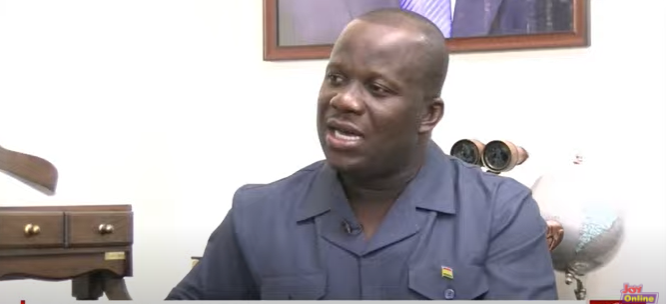
Lands and Natural Resources Minister, Samuel Abu Jinapor, says government is fully aware of the complexities involved in the war against illegal small-scale mining and is committed sanitising the sector as long as it takes.
The minister has also acknowledged the “recalcitrant nature of the cartels involved" in the illegal mining enterprise who have largely contributed to, and responsible for how the fight against the menace has dragged for years.

The small-scale mining sector is responsible for about a third of Ghana’s gold export. The sector, in 2019, exported about 1.6 million ounces of gold to the international gold market.
Addressing participants at a 3-day workshop in Accra Monday, the lands minister who is also MP for Damango in the Savannah region said, the administration has invested heavily in the small-scale mining industry alongside stringent and more punitive legal regime intended to sanitize the sector.
"Lately, we have had to adopt more stringent measures, including the declaration of river bodies as red zones for mining, the ban on reconnaissance, prospecting and/or exploration in Forest Reserves, the launch of Operation Halt II to rid river bodies and forest reserves of illegal mining activities, the introduction of speed boats and river guards to patrol and protect our river bodies, ban on the manufacture, sale and/or use of the floating platform, popularly referred to as Changfan, which are used in the pollution of water bodies, and the enhancement of the punishment regime for persons involved in illegal mining."

However, he acknowledged the difficulties involved in the government’s clampdown against illegal small-scale mining that has dragged on for years now.
"We recognize the complexities involved in this fight, and the recalcitrant nature of the cartels involved, largely because of the huge sums of money involved in this enterprise. But we are committed to working with all stakeholders to ensure that we build a responsible, sustainable and environmentally-sound small scale mining industry’’.
Meanwhile, Senior Adviser of the World Gold Council Edward Becham underscored the need for mining companies to leave behind positive legacies in host communities.
"We want to chart a course that is about building a wider coalition of interest particularly with government with institutions like the World Bank with supply chain actors in society and indeed with Artisanal small-scale miners themselves in trying to build an artisanal small-scale mining framework. We want, when we finish mining in an area, to leave behind a good legacy, legacy of communities that have learned better and new ways of growing’’.
The workshop which has attracted industry players from about nine African countries is expected to end on Wednesday.
Latest Stories
-
Greater Accra teachers resume work after strike suspension
4 minutes -
Education Minister assures teachers of salary adjustments by October 16
9 minutes -
Abass Osabutey declares bid for NDC Deputy National Organiser position
11 minutes -
Education Minister inaugurates NDU Governing Council, announces $25m seed funding
19 minutes -
THE LAW 101: La Beach Demolitions – The State’s own documents, the courts’ orders – and the bulldozers
22 minutes -
DVLA contributes GH¢17.7m to Consolidated Fund in 2025
25 minutes -
Why disaster risk reduction must connect early warnings, preparedness and financial protection to household-level resilience
32 minutes -
The AI Gold Rush: Who strikes gold and who gets left behind?
56 minutes -
Australia visa scandal: Pius Hadzide says failed checks left him carrying the blame
1 hour -
Pius Hadzide rejects blame for journalists’ visas in 2018 Australia scandal
2 hours -
What Is Wrong With Us: We queue for the Colosseum while our own Castles crumble
2 hours -
Dangote IPO fever could deepen Africa’s capital markets, Citi Bank executive says
2 hours -
US hopes diesel deal can ‘soften’ Moscow on peace talks, sources say
2 hours -
Oil falls as Russia diesel supply prospects counter Gulf supply risks
2 hours -
Moroccan centrist party agrees to form coalition government with three other parties
2 hours