

Audio By Carbonatix
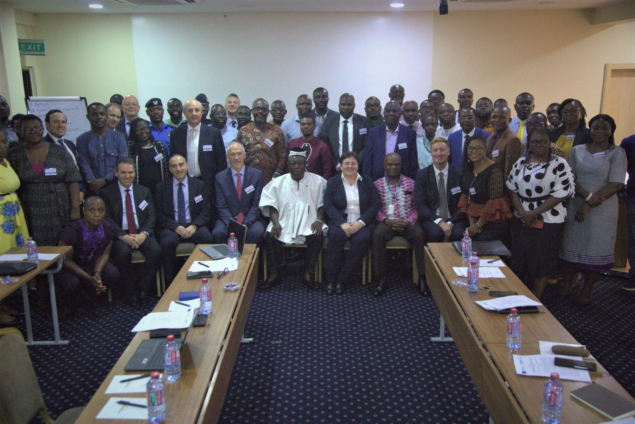
The Ghana Atomic Energy Commission (GAEC) in partnership with the European Union, the United Nations Interregional Crime and Justice Research Institute (UNICRI) and the International Atomic Energy Agency (IAEA) has organised a 3-day workshop to fight organised criminal activities using Nuclear Technology in Accra.
The workshop was focused on the prevention, detection and response to Chemical, Biological, Radiological and Nuclear (CBRN) Terrorism.
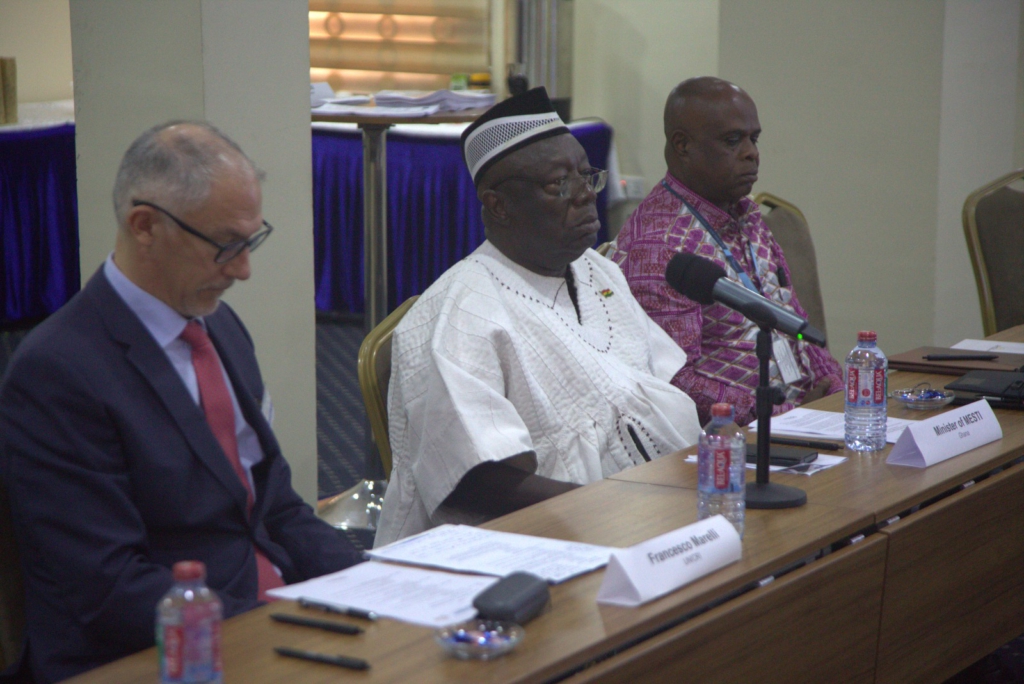
It was designed to discuss the role that technology solutions play in organised criminal activities that breach the integrity of the supply chain, with particular emphasis on collecting feedback from CBRN experts, law enforcers, forensic and supply chain technology experts.
It was also to help identify the needs of operators in the field and how technology can support their activities for the monitoring, prevention and investigation of illegal activities related to CBRN terrorism and criminal infiltrations of the supply chain.
The Minister of Environment, Science, Technology and Innovation, Dr. Kwaku Afriyie, who gave the keynote address, noted that in the West African sub-region, organised criminal activities are known to have had influences on fake medicines, illegal mining, illegal fishing, fuel adulteration and smuggling sectors.
“Left unresolved, the threats posed by these activities can have devastating consequences not only in terms of human lives but also in terms of economic and social stability”, he added.
The Minister emphasised that prevention is the foremost objective in the fight against malicious or criminal activities involving CBRN.
“It is the key to addressing the threats posed by CBRN terrorism and organized criminal activities” he added.
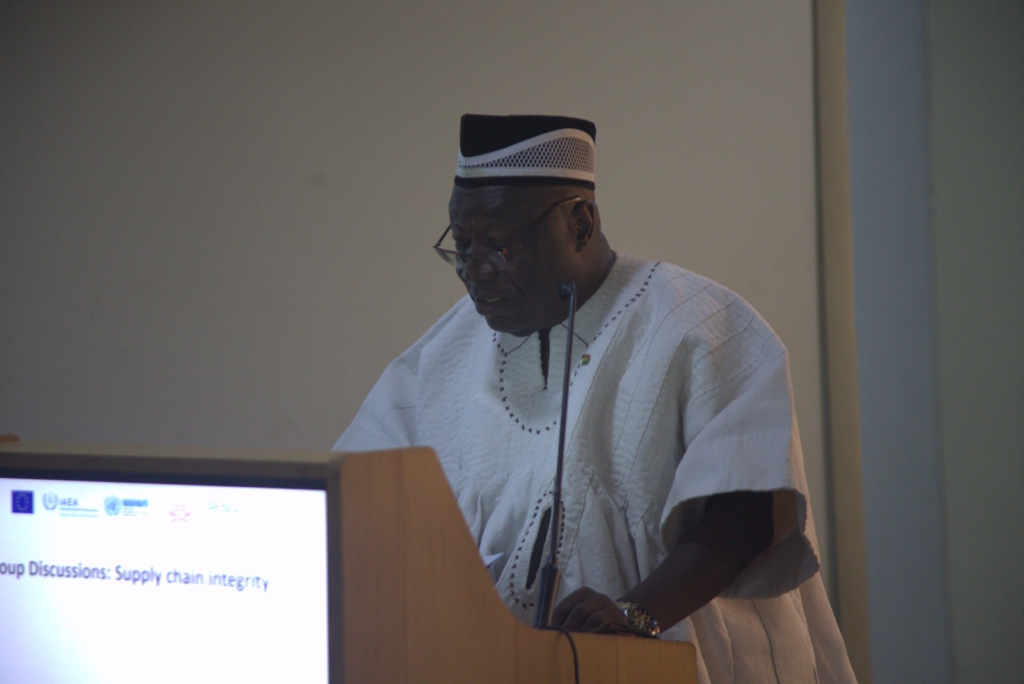
He indicated that technologies such as radiation detection systems, biometric scanners, and chemical sensors can be deployed around the world as one of the most effective ways to prevent these threats.
Dr. Kwaku Afriyie added that detection and response which involves the use of technologies such as remote sensing, imaging systems, and mobile laboratories as well as drones, robots, and autonomous vehicles can be used to respond to threats quickly and safely in areas that are difficult to access.
He concluded by saying that Ghana’s efforts to prevent, detect and respond to organised crime require technology and proactive collaboration between government agencies, private industry, civil society organizations and academic and research institutions.
The Deputy Director General of the GAEC, Prof. Dickson Adomako, who represented the Director General, Prof. Samuel Boakye Dampare, said that Ghana has a rich history with the United Nations and the IAEA on collaborations to drive research, development, human resource capacity building and safety and security matters.
“We are therefore happy to be hosting this 3-day United Nations Interregional Crime and Justice Research Institute workshop, which has brought together experts from around the world” he added.
Prof. Adomako revealed that the prospect of non-state actors including terrorists gaining access to and using Chemical, Biological, Radiological and Nuclear materials is a serious threat to international peace and security.
“The activities of such groups are on the rise and more effort is needed to address this kind of injustice to humanity,” he said.
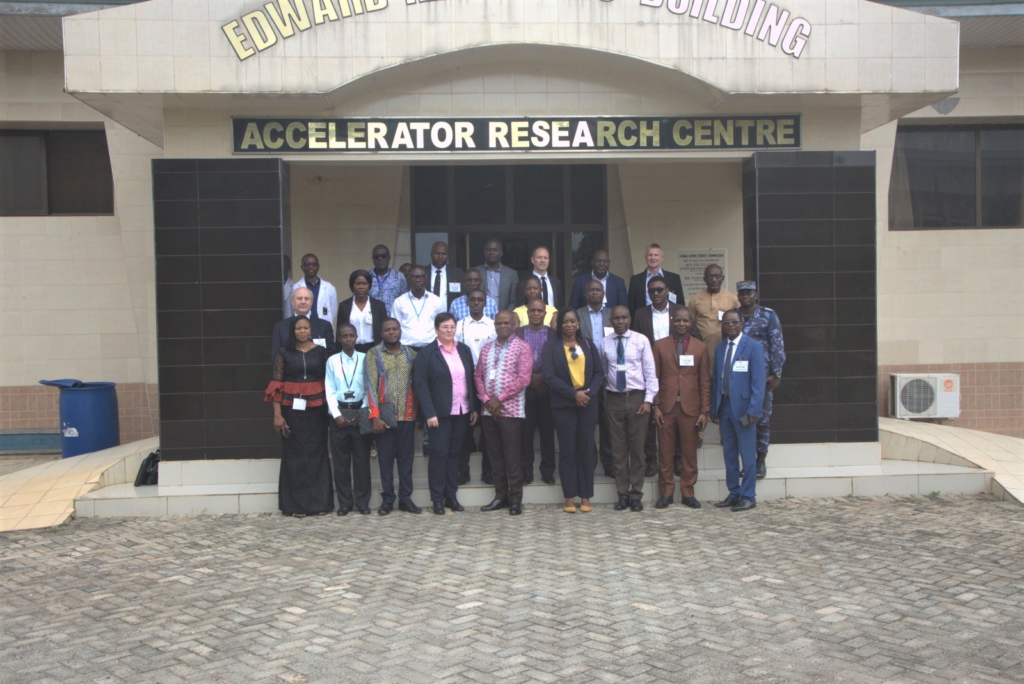
He was particularly happy that this workshop is being organised in Ghana to discuss measures to curtail these criminal activities due to reports of the ascendency of terrorism and organized crime activities in Africa.
“I know that experts will give us more examples of CBRN terrorism and organized crime activities during this workshop” he added.
Participants were drawn from Ghana, Cote d’Ivoire, Liberia, Nigeria, and Sierra Leone with particular emphasis on CBRN terrorism experts as well as customs and law enforcement officers with expertise on different forms of illicit trade (related to trafficking in illicit pesticides, fuel frauds, precious metals trafficking, illegal, unreported, and unregulated (IUU) fishing and forensic and supply chain technology experts.
Latest Stories
-
Ghana closer to terrorism threat than ever before – WACCE
2 minutes -
Gov’t must focus on quality everywhere, not categorisation of public schools – Ben Boakye
16 minutes -
Tanko Computer backs comprehensive review of 1992 Constitution
21 minutes -
2026 SHS placement crisis was caused by changes to established model – Former Dept. GES Director
21 minutes -
GMet forecasts thunderstorms, rain across parts of Ghana tonight
22 minutes -
GETFund to allocate GH¢250m to expand Category A SHS infrastructure
23 minutes -
From dream homes to mortgage plans: JoyNews-Repubic Bank Habitat Fair closes Day 2 on a high
23 minutes -
Afoko: Women’s inclusion key to NPP’s electoral comeback
29 minutes -
2026 U-20 WWC: Black Princesses suffer another group stage exit after defeat to France
41 minutes -
No policy to teach Arabic, Chinese in all public schools – Mahama
41 minutes -
Students’ academic freedom central to Africa’s democratic future – Prof Appiagyei-Atua
56 minutes -
Ɔdadeɛ Global Executives congratulate PRESEC on historic 9th NSMQ trophy
58 minutes -
Mahama announces maize processing plant for Sissala area to tackle glut
1 hour -
Ghana undertaking Africa’s largest road infrastructure programme – Agbodza claims
2 hours -
Prospective homeowners troop to Day 2 of JoyNews-Republic Bank Habitat Fair, engage experts on homeownership
2 hours