

Audio By Carbonatix
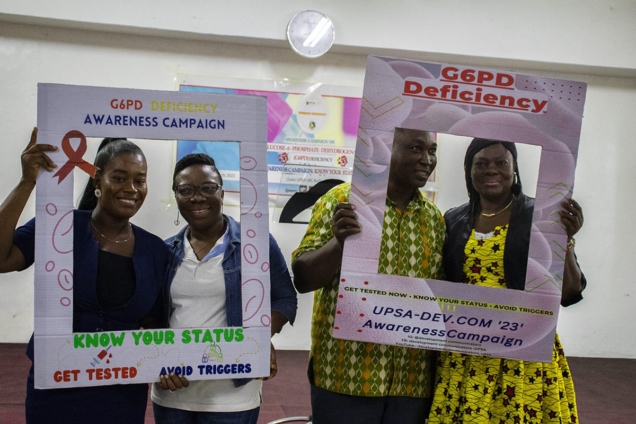
Development Communication students from the Department of Communication Studies at the University of Professional Studies, Accra (UPSA), have launched an awareness campaign on Glucose-6-phosphate dehydrogenase (G6PD) deficiency.
The aim of the campaign is to educate members of the University Community and the general public about the importance of knowing their G6PD status.
G6PD deficiency is a genetic condition that causes red blood cells to break down when the body is exposed to certain foods, drugs, infections or stress.
The deficiency occurs when a person is missing or has low levels of the glucose-6-phosphate dehydrogenase enzyme.
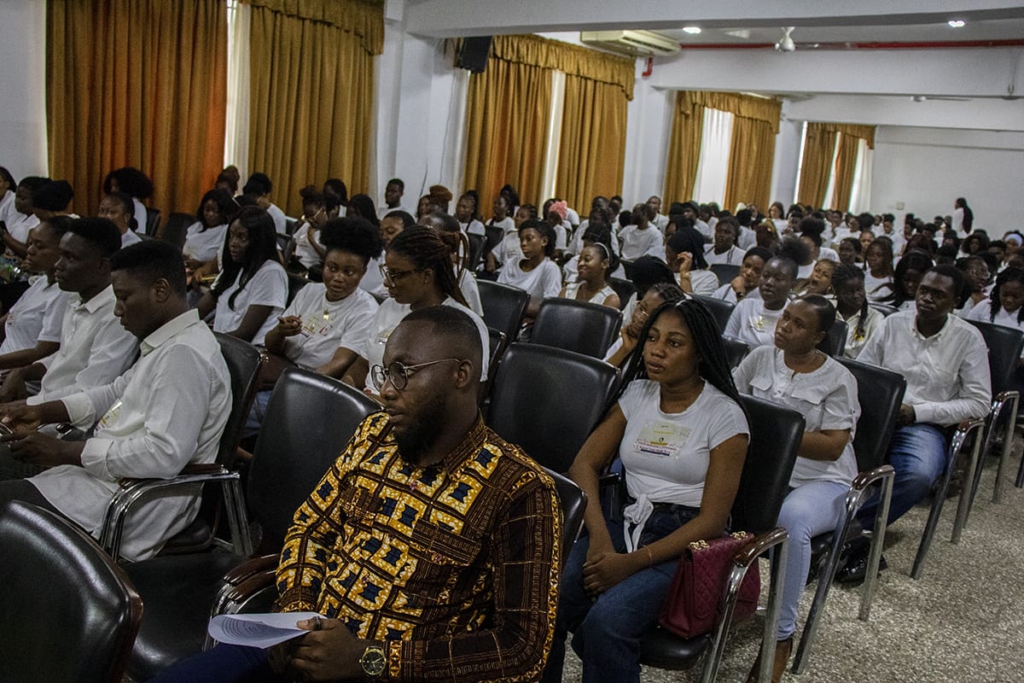
Speaking at a symposium to build public awareness of the condition, Sandra Yeboah, a Project Lead and Development Communication lecturer at UPSA, shared her near-death experience with G6PD deficiency and emphasised the need for the disease to be given the attention it deserves.
Madam Yeboah called for the inclusion of the G6PD deficiency test in all mandatory medical examinations in the country to help people know their status.
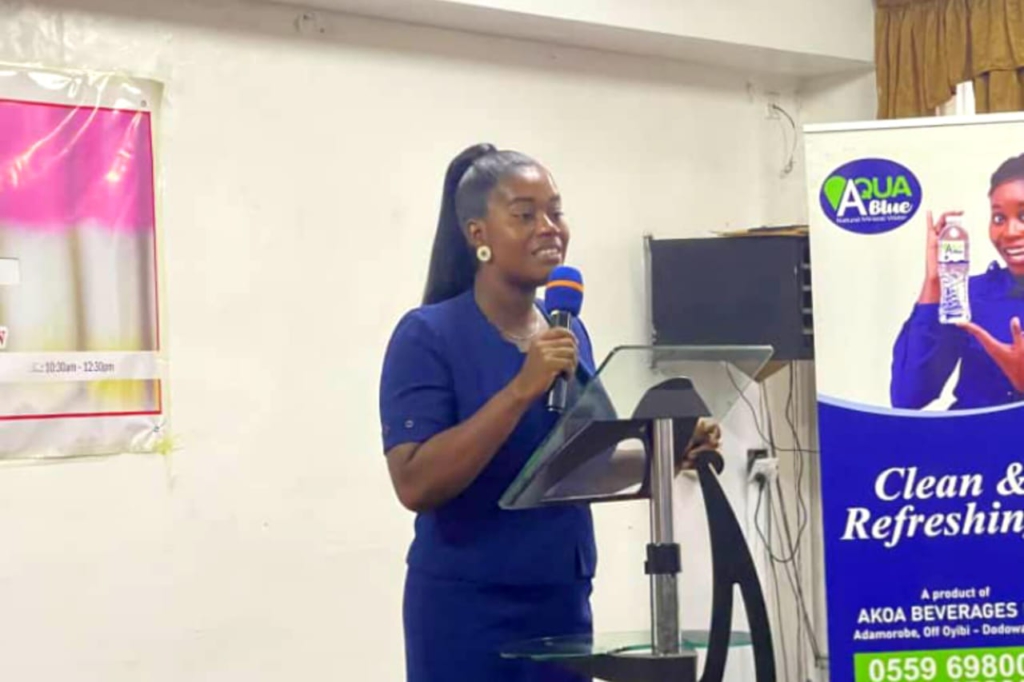
She believes that this will improve patients' lives and spur more research.
Dr Worlanyo Senadza, a medical practitioner at the UPSA Medical Directorate, explained that the destruction of red blood cells can be triggered by certain foods, such as fava beans, and certain medicines, including antimalarial medication, aspirin, nonsteroidal anti-inflammatory drugs (NSAIDs), quinidine, sulpha drugs, and antibiotics, among others.
He said although G6PD deficiency is rarely a life-threatening condition, it can cause serious medical conditions such as hemolytic anemia in adults and severe jaundice in newborns.
The Head of the Department of Communication Studies, Dr Adwoa Sikayena Amankwah commended the final-year communication students for their project, which she described as the "first of its kind."
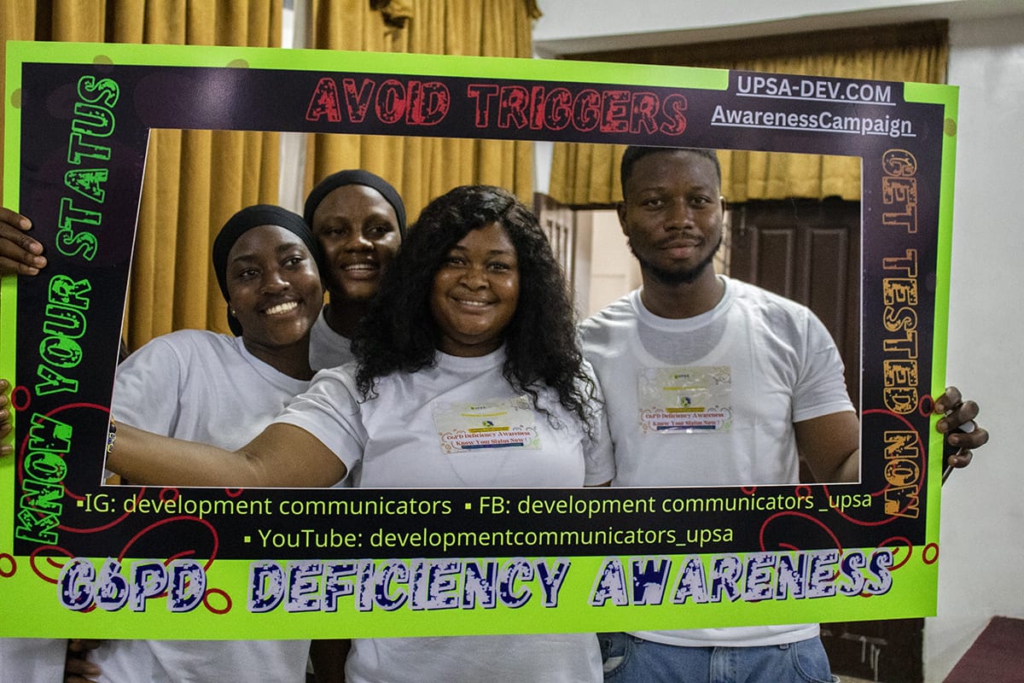
She revealed that the Department will incorporate the awareness campaign into its yearly programme, where final year students pursuing the Development Communications course can showcase their academic creativity through communication initiatives that address social issues and contribute to the socio-economic development of the country.
Dr Amankwah highlighted the role of the faculty in guiding students with the theoretical and practical knowledge necessary to bring out the best in them.
"Our role as faculty is to guide you with the theoretical and practical knowledge necessary to bring out the best in you, the initiatives in you, the creativity in you, and the latent talent in you," she said.
"This is what UPSA is about, and I am personally excited to be part of this initiative."
Latest Stories
-
UHAS halts semester exams over administrative, logistical issues
3 hours -
ECG announces planned maintenance outages in parts of Ashanti Region
3 hours -
Sexual harassment has no place in educational institutions – Education Ministry
3 hours -
The growing culture of vacation classes in Ghana: Should students rest or continue schoolwork?
4 hours -
E.P. Church secures radio frequency, prepares to launch Bremen Radio
5 hours -
Two dead and hundreds evacuated as twin fires break out on Greek island
5 hours -
EPCG clears over GH¢11.7m in debt as outgoing moderator calls for tighter controls on borrowing
5 hours -
Mövenpick Ambassador Hotel Accra marks 15 years of premium hospitality
5 hours -
T-bills auction: Government exceeds target by 88%, interest rates tumble
5 hours -
Western North: Confusion erupts over NPP chairmanship election results
6 hours -
Bawumia congratulates newly elected NPP regional executives
6 hours -
Bawumia urges unity after NPP regional elections ahead of 2028
6 hours -
Russia says at least seven killed in largest Ukrainian attack of 2026
6 hours -
Ghana and Netherlands sign pact to combat illicit drugs and drug markets
6 hours -
Akandoh warns Boards against interfering in day-to-day management of health institutions
7 hours