

Audio By Carbonatix
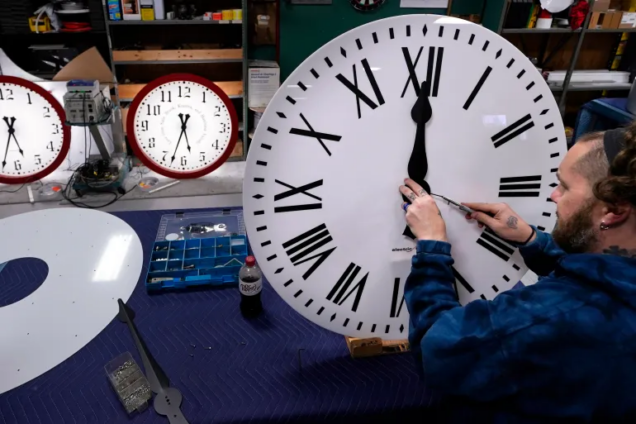
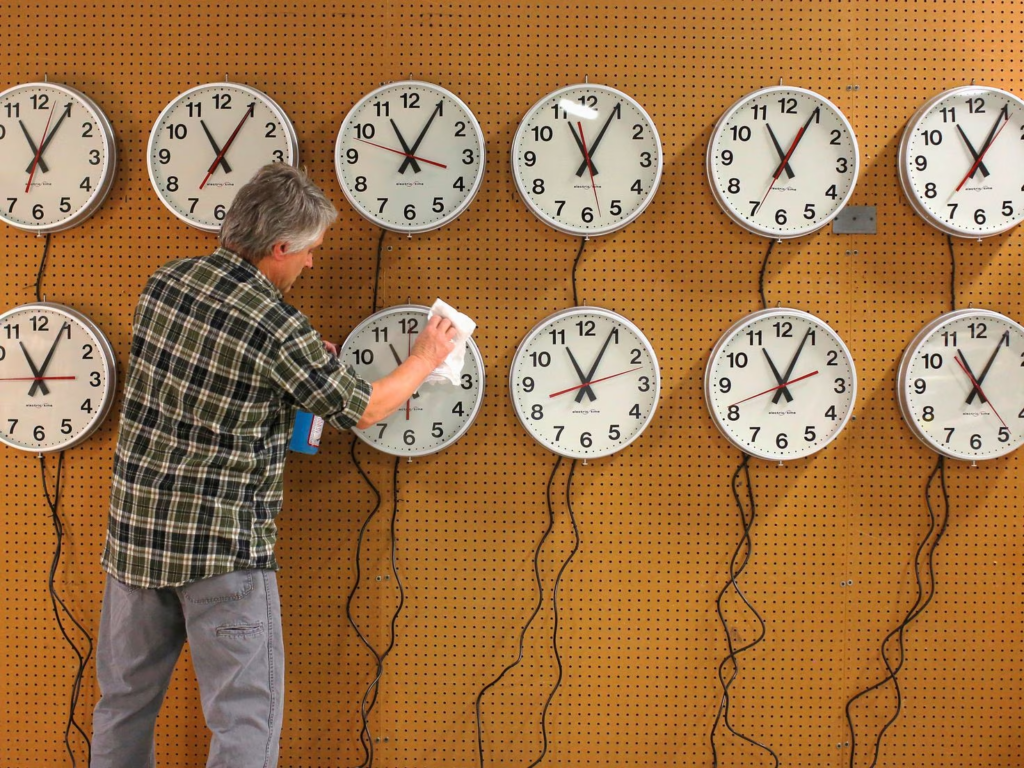
As the seasons change and the days grow shorter, the United States is gearing up for the annual ritual of "falling back" and "springing forward." On Sunday, November 5, Americans will move their clocks one hour ahead, marking the end of Daylight Saving Time (DST). While the practice of adjusting the clocks may seem routine, it has a rich history and raises questions about its economic impact, as well as what citizens and the rest of the world should know.
A brief history of DST
The idea of Daylight Saving Time dates back to the late 19th century, with various proponents advocating for the adjustment of clocks to make better use of natural daylight. The first instance of DST in the United States was implemented during World War I, aimed at conserving energy resources. It made a return during World War II and was formally established by the Uniform Time Act in 1966. DST has been a consistent part of American life since then.
Economic impact: Beneficial or burden?
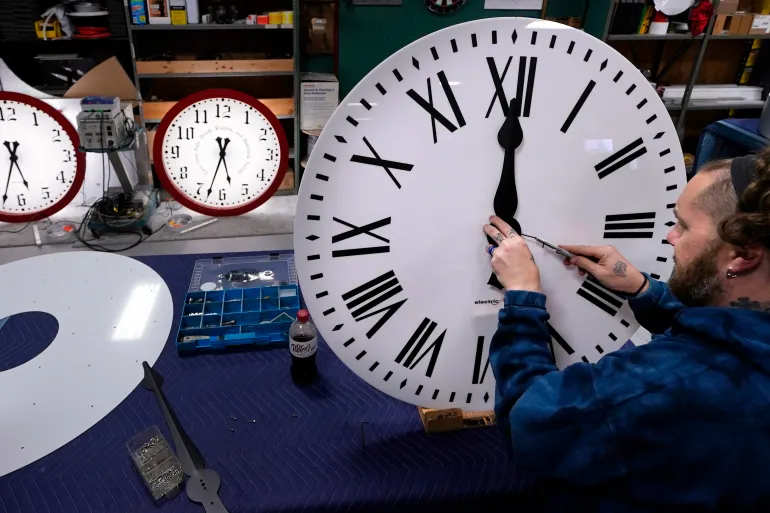
The economic impact of Daylight Saving Time remains a topic of debate. Proponents argue that DST can lead to energy savings, with reduced electricity consumption for lighting and heating. It also provides extended daylight hours for outdoor activities, shopping, and tourism, potentially boosting local economies. However, research on these benefits remains inconclusive, and some studies suggest that the energy savings are relatively modest. The impact on health and productivity due to sleep disruptions during the clock change is another point of concern.
What must people know and do?
With the upcoming shift to Daylight Saving Time, here are some important things for Americans to keep in mind:
- Turn Clocks Forward: On the night of November 4, set your clocks one hour ahead. It's also an excellent opportunity to check and replace the batteries in smoke detectors.
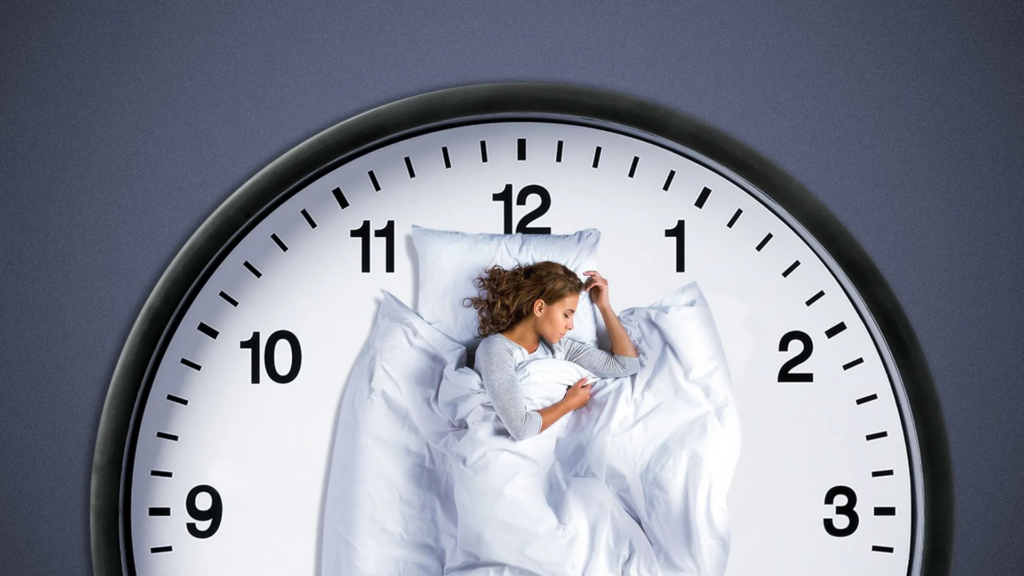
- Adjust Schedules: Be prepared for the change in time, as it can affect your daily routine. Plan for a potential loss of sleep and take steps to adjust your schedule gradually.
- Check Local Laws: Not all states in the U.S. observe Daylight Saving Time. Be aware of your state's regulations and whether you need to adjust.
- Be Cautious on the Road: The change in time can lead to drowsy driving in the days following the switch. Be extra vigilant on the road and consider getting more sleep.
What should the rest of the world know?
For the rest of the world, understanding the concept of Daylight Saving Time in the U.S. can be important for international communication, scheduling, and trade. Not all countries follow DST, and the start and end dates can vary widely. Americans will be adjusting their clocks on November 5, and it's vital for international partners to take this change into account for business and diplomatic interactions.
Daylight Saving Time is a tradition that has been a part of American life for over a century. While its economic benefits are still a subject of debate, the practice serves as a reminder of the importance of making the most of natural daylight. As Americans move their clocks one hour ahead on November 5, it's a time for reflection, adjustment, and an opportunity to make the most of the shifting seasons. For the rest of the world, understanding the changes in American timekeeping can help facilitate smoother interactions and collaborations across borders.
Latest Stories
-
Private security firms acting as political militias risk licence revocation, prosecution – National Security Coordinator
47 minutes -
Antoine Semenyo makes history as first Ghanaian named in PFA Team of the Year
1 hour -
Mahama calls for responsive healthcare regulation to improve patient safety
2 hours -
IERPP accuses GoldBod of breaching transparency law, says quarterly trading reports removed from website
2 hours -
Future of Energy Conference: Africa cannot industrialise in the dark – ECOWAS Bank President
2 hours -
Help comes to Alajo as DirectAid brings relief items to flood victims
2 hours -
“Somebody created the loss” – Haruna Mohammed backs Minority’s call for GoldBod probe
2 hours -
Hope for agroecological farmers: Scientific Research supports urine-based weed management as safer alternative to glyphosate
2 hours -
Israeli Film Festival returns to Accra with free screenings to boost cultural exchange
2 hours -
SONABEL considers opening Bagré Dam spillway on Friday amid rising water levels
2 hours -
Ghana Maritime Authority, Humanity First commission 4 boreholes in Wa to end water scarcity and keep children in class
2 hours -
In Photos: Day Two of ‘SYPALA 2026’ focuses on governance, economic freedom and youth leadership
3 hours -
Wontumi withdraws from NPP chairmanship race, urges support for Bawumia
3 hours -
UCC-IEPA, CEGRAD launches free digital skills programme to empower 1,000 women in education
3 hours -
NPP dismisses extortion allegation against Afenyo-Markin, says focus remains on GoldBod losses
3 hours