

Audio By Carbonatix
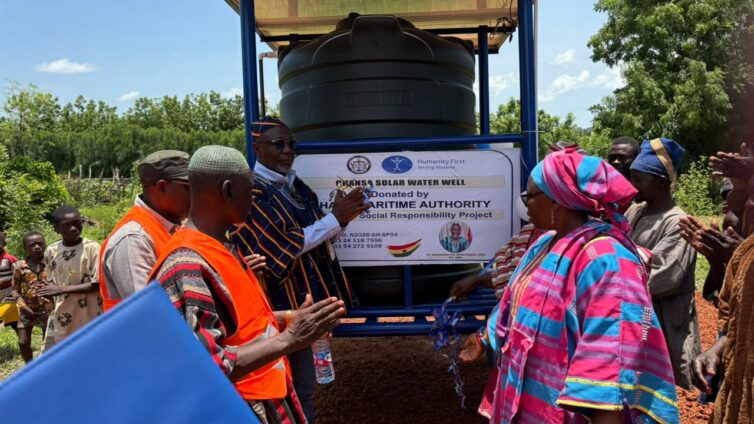
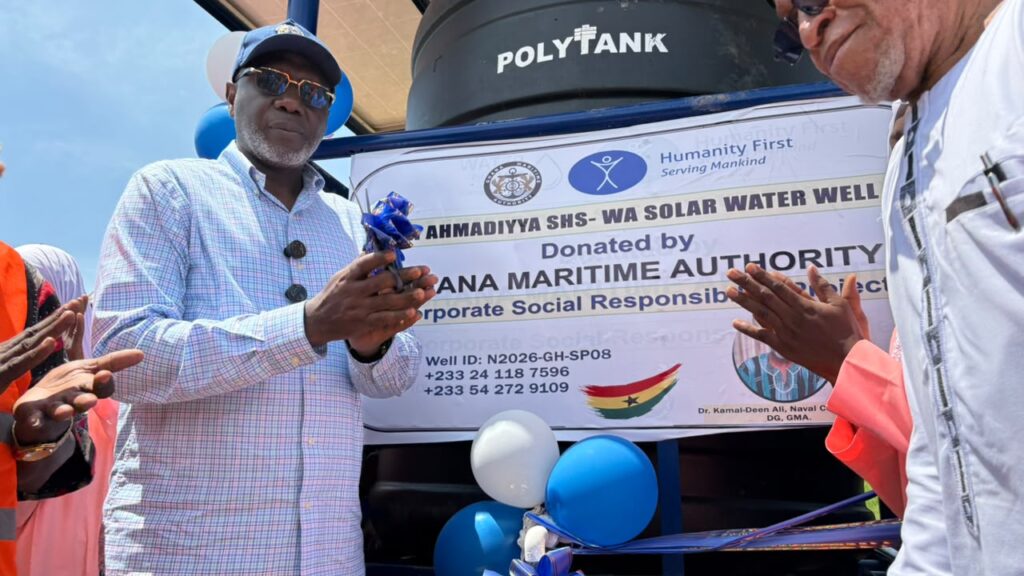
The Ghana Maritime Authority (GMA), in partnership with international humanitarian organization Humanity First Ghana, has handed over four newly constructed solar-powered mechanized boreholes to beneficiary institutions and communities in the Wa Municipality.
The facilities, sited at T.I. Ahmadiyya Senior High School, Chansa, Biihee, and Boli—are part of a broader seven-borehole Corporate Social Responsibility (CSR) initiative designed to eliminate severe water distress, improve public sanitation, and protect basic instructional hours across the Upper West Region.
Speaking at the commissioning ceremonies, Director General of the Ghana Maritime Authority, Naval Captain (Rtd) Dr. Kamal-Deen Ali, explained that the intervention aligns directly with national development priorities to deliver clean, potable water to underserved communities.
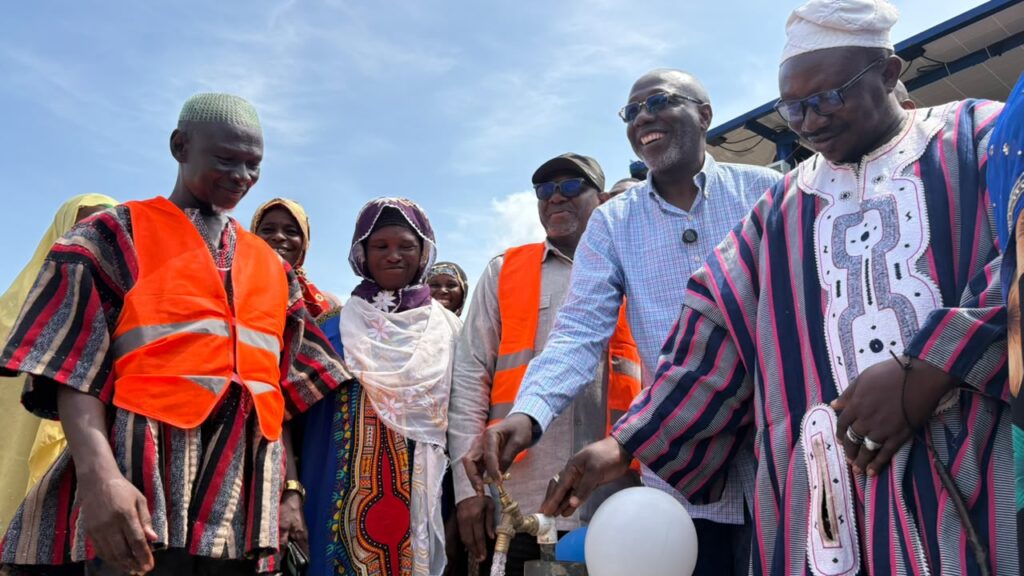
"Water is very key to life. Without water, there is no education, no survival, and health problems multiply," Dr. Kamal-Deen Ali stated.
"We have brought these facilities directly to the schools and communities so pupils and students do not have to leave their premises searching for water, disrupting their education. It enhances their studies, keeps them in school, and provides unhindered access to the surrounding communities."
The Director General disclosed that following earlier handovers in Motigu in the Wa East District and the four in Wa Municipality, additional mechanized water systems will be installed at Jirapa and Nandom in the coming weeks, and a consignment of 400 sets of dual desks and tables will be delivered.
The intervention brings immediate relief to beneficiary schools that previously endured chronic disruptions to their academic calendars.
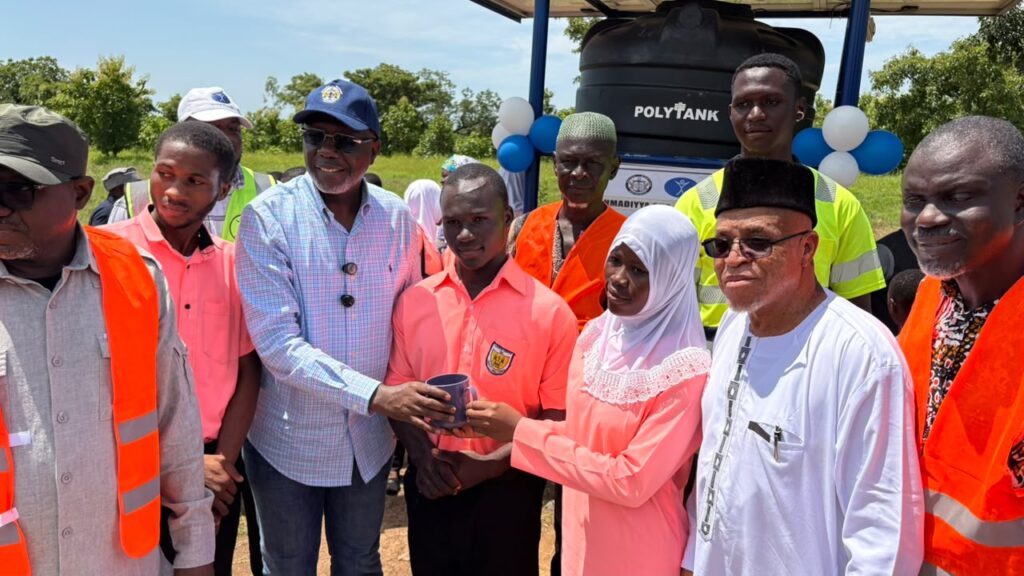
At T.I. Ahmadiyya Senior High School, Headmaster Issahaque Yahaya recounted how the absence of reliable water exacerbated sanitation pressures for the school's 1,433 students, who previously relied on a single 12-seater KVIP toilet facility.
Student leaders noted that the scarcity had severe health and academic repercussions.
"Before this borehole was mechanized for us, almost all the sicknesses recorded from the school at the hospital were typhoid," Senior Prefect Kunkuni Masroor shared. "Now, we have clean water powered by solar, which runs even during power outages and helps us get to class on time."
Girls' Prefect Mac Adams Qaaimah added that the daily struggle for water often forced students to miss morning hygiene routines. "Sometimes we couldn't even bathe before going to class, which led to lateness and punishments. Now, we are able to bathe twice a day and concentrate on our books," she said.
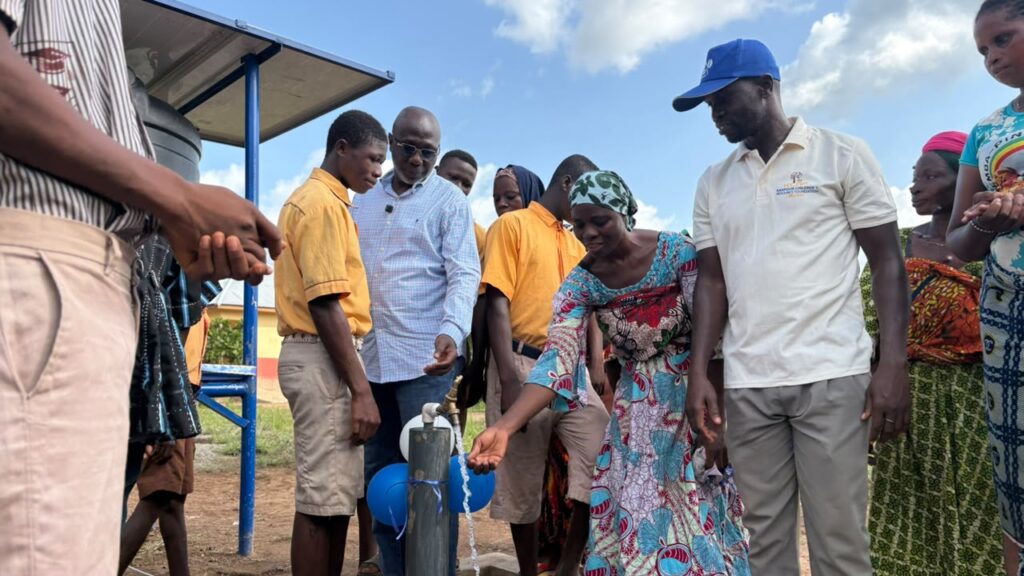
At Boli M/A Primary B, Headteacher Osman Issah revealed that teachers previously had to dispatch pupils into the community during instructional periods to fetch water in basins, while others left during break periods and never returned.
"Going to town during school hours has completely stopped since this facility was installed," Mr. Issah confirmed. "We no longer lose contact hours."
In the rural communities of Biihee and Chansa, residents celebrated the removal of commercial water charges.
"At first, the whole community depended on one hand pump. If you went in the morning, you wouldn't return until 5:00 PM," noted Biihee resident and teacher, Yahaya Niamatu. "Other facilities operated on a cash-and-carry basis where you had to pay before fetching, which many families could not afford. This new borehole is completely free for women, children, and farmers."
Regional Coordinator for Humanity First Ghana, Maulvi Abu Zul-Haq, detailed the technical setup, noting that the systems operate on solar power with national grid backups, pumping water into elevated storage tanks with detached discharge points to prevent structural wear.
He urged local school administrators, Assembly Members, and residents to establish strict community monitoring to protect the solar infrastructure from theft or damage, noting that imported photovoltaic panels take over a month to replace if compromised.
The commissioning tour was attended by the Board Chairman of T.I. AMASS and former diplomat, Ambassador Mahmud Khalid, local municipal assembly officials, and traditional authorities.
Latest Stories
-
Kejetia Phase III pricing talks loom as government moves to restart stalled works
23 minutes -
Nchiraa Yam festival: Two killed, 14 injured as police restore calm
30 minutes -
I draw inspiration for my songs from Reggae music – Lyrical Joe
31 minutes -
AI must not replace human judgment in public spending – BoG Governor
34 minutes -
Ghana should withdraw from 2027 AFCON – Kojo Addae Mensah
44 minutes -
Team Ghana departs Accra for Angola ahead of Karting Africa Trophy
50 minutes -
AIT President Prof Clement Dzidonu urges lifelong learning as AI reshapes work and education
53 minutes -
FWSC to meet striking teacher unions on Tuesday
54 minutes -
NPP won’t force candidates to step down – Miracles Aboagye
1 hour -
Black Stars: Building in the sinking sands
1 hour -
Low inflation on paper, high cost of living: How Presidents Mahama and Trump are facing stark economic reality
1 hour -
NPP will negotiate with popular non-politicians to secure winnable candidates – Miracles Aboagye
1 hour -
Only 5% of Ghanaians can afford housing without support – Gov’t
1 hour -
Nigeria launches rescue after military plane crashes with 32 aboard
1 hour -
GES digitalisation already exists; restore discontinued platforms – Adutwum spokesperson
1 hour