

Audio By Carbonatix
The 11th Digital Rights and Inclusion Forum (DRIF) currently underway in Accra, is poised to deepen participants' collaboration and digital knowledge-sharing.
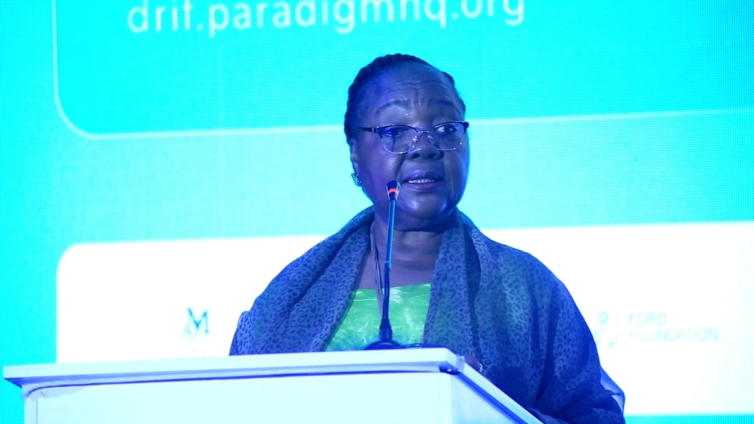
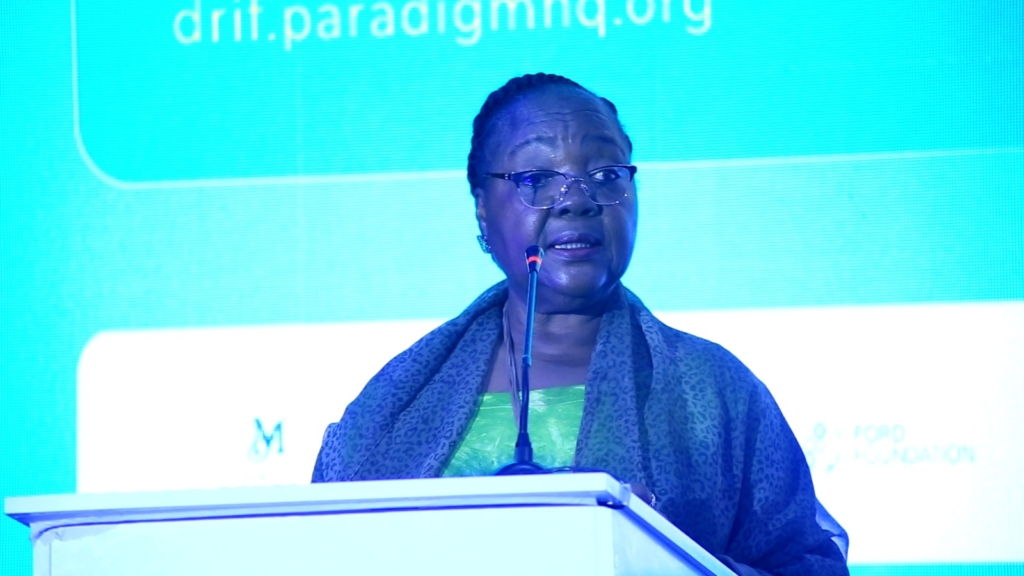
According to Dr. Aida Opoku-Mensah, Board Vice Chair of Paradigm Initiative (PIN), a Pan-African organization that organized the event, "We envisage that we shall all have gained a deeper understanding of the challenges, opportunities, and threats in the digital landscape as well as a renewed commitment to advancing digital rights and inclusion for all."
Participants will gain a deeper understanding of the challenges, opportunities, and threats in the digital landscape, as well as a renewed commitment to advancing digital rights and inclusion for all.
Dr. Opoku-Mensah noted that the insights gained and connections forged during the forum will inspire tangible action and positive change in the pursuit of a more equitable and just digital future.
The sessions at this year's edition will focus on the following sub-themes: Trust and Accountability, Data Protection, Privacy and Surveillance, Artificial Intelligence and Emerging Technologies, Digital Inclusion and Marginalised Groups - all critical areas in the dynamic tech world.
Dr. Opoku-Mensah stated that the forum's agenda is spot-on, reflecting the array of challenges and opportunities that accompany the digital revolution, indicating that each session promises to deepen participants' understanding and inspire meaningful action.
PIN will also premiere PIN's 4th Short Film, "Undersight," which highlights the transformative power of storytelling in driving social change and initiate conversations that catalyse advocacy efforts.
"With such diverse offerings, this year's DRIF promises an engaging and enriching experience for all participants," Dr. Opoku-Mensah indicated.
She urged participants from different parts of the world to commit to advancing digital rights and inclusion while embracing diversity of thought and perspective, and recognising that their collective strength lies in unity.
Executive Director of PIN, Gbenga Sesan delivered a presentation that took the audience on a journey through the organization's history, from its humble beginnings over a decade ago to its current status.
He highlighted how the Nigerian government's investment in surveillance technology, lacking guiding laws, sparked concerns among like-minded individuals, leading to the formation of DRIF. Evolving from the Internet Freedom Declaration Nigeria to the Internet Freedom Forum and finally DRIF, the platform has consistently focused on driving action.
Gbenga emphasized that the core objective of DRIF is to inspire tangible actions, moving beyond mere conversations about digital rights and inclusion.
He noted that the platform has expanded significantly, from 17 countries in 2022 to over 60 in 2024, facilitating more comprehensive and global discussions.
Gbenga stressed that while the conversations at DRIF are global in nature, it's crucial to ensure their relevance and applicability to local issues.
DRIF24 is hosting over 600 participants, with the primary goal of promoting digital rights and inclusion in Africa. The forum provides a rich selection of 80 sessions for the delegates to choose from under the theme "Fostering Rights and Inclusion in the Digital Age."
One of the sessions, "Free and Fair: Digital threats to election integrity in Africa," will focus on a crop of important elections across Africa, that could be undermined due to digital repression threats.
Experts say, in countries where incumbents have worked to tilt the playing field in their favour, digital interference could profoundly shape electoral outcomes. Despite this threat, a number of tactics have proven useful in promoting election integrity.
Democracy's defenders at the event would engage regulators to prevent internet shutdowns and other forms of censorship, work with political parties and the private sector to strengthen information integrity, or establish fact-checking partnerships between journalists and tech companies.
Experts from Ghana, Nigeria, South Africa, and Zimbabwe will also explore successful tactics in defending digital rights in response to key threats around electoral contexts.
It would seek to engender regional tactic sharing to strengthen networks working on digital rights and election integrity and to foster resilient information spaces where voters can access information free from censorship and distortion.
Latest Stories
-
Finance Minister advises African governments to strengthen regional tax cooperation
1 hour -
NPP accuses NDC of master-minding demolition of Ho regional office fence
1 hour -
Ghana plans stronger regional power trade with Nigeria
1 hour -
GRA Commissioner-General calls for stronger tax cooperation to boost regional revenue mobilisation
1 hour -
NACOC needs more personnel to tackle drug trafficking – Toobu
1 hour -
Railway workers resist KMA eviction order, demand consultation
1 hour -
Legacy Leadership Africa Institute to host boardroom women’s leadership programme
2 hours -
Ghana needs a law to sustain constitutional reforms – CDD-Ghana
5 hours -
COVID fumigation audit: Auditor-General has a lot of questions to answer – Akwatia MP
5 hours -
Stranded Ghanaian medical graduates in Cuba appeal to Mahama for immediate return
5 hours -
GNFS contains fire outbreak at Teshie Lekma Road near Lekma Hospital
11 hours -
Samia Nkrumah rejects the narrative that Ghanaians were happy after Nkrumah’s overthrow
12 hours -
A Mother’s pain: Tribute by Ivan Baidoo’s mother
13 hours -
‘Forgive us for staying away’ — Samia Nkrumah leads family back to Nkroful, pledges to preserve Nkrumah’s legacy
13 hours -
Ernest Nuamah scores twice as Lyon beat Rennes
13 hours