

Audio By Carbonatix
As we observe the World Day Against Child Labour on June 12 themed “Let's act on our commitments: End Child Labour!”, we are reminded of our solemn duty to protect the youngest and most vulnerable members of our society. Child labour is a grave violation of human rights that robs children of their childhood, potential, and dignity. It is a pervasive issue within our borders, affecting thousands of children across Ghana. These children are often deprived of education, exposed to dangerous work environments, and subjected to physical and emotional abuse, perpetuating a cycle of poverty and social inequality that hinders our nation's progress.
Since assuming office in 2017, the New Patriotic Party (NPP) government has undertaken significant measures to combat child labour. We have diligently created policies and programs aimed at addressing the root causes of child labour and providing support for affected children and their families. However, despite these efforts, challenges remain. Child labour continues to be prevalent across Ghana, particularly in rural areas and sectors such as agriculture, fishing, mining, and domestic work.
The implementation of the National Plan of Action (NPA) against Child Labour Phase II (2017-2021) marked a significant step forward. This comprehensive plan focused on strengthening legal frameworks, enhancing enforcement mechanisms, and increasing public awareness about the dangers of child labour. Through collaborative efforts with international partners, civil society organizations, and local communities, we have made substantial progress in reducing the prevalence of child labour in various sectors, particularly in agriculture, mining, and informal urban settings.
Recognizing that education is a critical tool in the fight against child labour, our government has invested heavily in the Free Senior High School (SHS) policy and other educational reforms. These initiatives aim to ensure that every child has access to quality education, thereby reducing the likelihood of children being forced into labour due to financial constraints. Additionally, we have expanded social protection programs such as the Livelihood Empowerment Against Poverty (LEAP) and the Ghana School Feeding Program. These programs provide essential support to vulnerable families, enabling them to meet their basic needs without resorting to child labour as a means of survival.
Our government has also strengthened legal and institutional frameworks to protect children from exploitation and abuse. The Human Trafficking Act 2005 and the Labour Act 2003, among others, have been crucial in this regard. Additionally, we have enhanced the capacity of institutions like the Department of Social Welfare and the Ghana Police Service to effectively address cases of child labour and trafficking.
However, it is imperative that we continue to build on the progress made and address the gaps that persist. To this end, I propose the following policy recommendations to further strengthen our fight against child labour:
1. Enhanced Collaboration and Coordination:
Establish a multi-sectoral task force involving government agencies, civil society organizations, the private sector, and international partners to streamline efforts and ensure a cohesive approach to eradicating child labour.
2. Increased Funding for Education and Social Services: Allocate more resources to educational programs, vocational training, and social services that support at-risk children and their families. This includes expanding the scope of the Free SHS policy to cover additional educational materials and transportation costs.
3. Community Engagement and Empowerment:
Implement community-based programs that raise awareness about the harmful effects of child labour and empower local leaders to take active roles in protecting children. This can be achieved through training and capacity-building initiatives.
4. Strengthening Enforcement Mechanisms:
Enhance the capacity of law enforcement and judicial institutions to prosecute offenders and ensure that laws against child labour are strictly enforced. This includes providing adequate resources and training to personnel involved in combating child labour.
5. Data Collection and Monitoring:
Develop a robust system for collecting and analyzing data on child labour to inform policy decisions and track progress. Regular monitoring and evaluation will help identify areas that require additional attention and resources.
The fight against child labour is not just a governmental responsibility; it is a collective and moral duty that involves every segment of society. Parents, guardians, community leaders, educators, and the private sector all have crucial roles to play. We must foster a culture that values and protects children, ensuring they receive the care, education, and opportunities they deserve.
Let us remember that the future of our nation depends on the health, education, and well-being of our children. As we continue to implement and enhance our policies and programs, let us remain steadfast in our commitment to eradicating child labour. Together, we can build a Ghana where every child is free from exploitation and has the chance to achieve their full potential.
*****
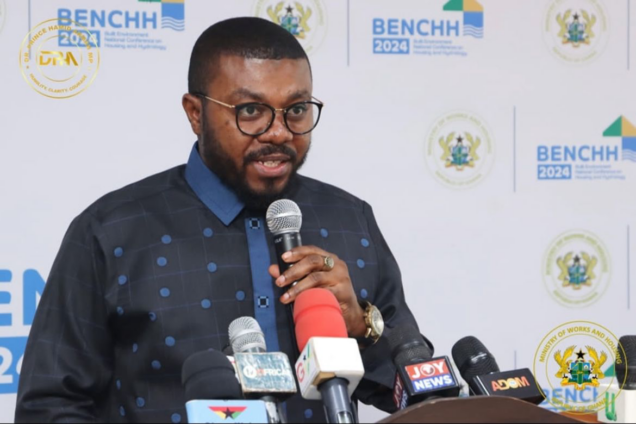
The author is the Deputy Minister for Works and Housing and Member of Parliament for Kwesimintsim. He previously served as the Director-General of the National Council for Curriculum and Assessment (NaCCA) and consulted for several projects funded by prominent international organisations such as The World Bank, UKAID, USAID, and the UN Education Commission in Gha
Latest Stories
-
Vice President urges Methodist Church to add digital skills to women’s training programmes
31 minutes -
Forestry Commission arrests 12 illegal miners in Atewa Forest
38 minutes -
NPP National Treasurer aspirant involved in accident during campaign
60 minutes -
Treat coastal communities as partners in sea turtle conservation – Dr Agyekumhene
1 hour -
The Chief Justice is not a Touring Minister: Baffoe-Bonnie’s SOE visits are unconstitutional officiousness
1 hour -
Enforcing environmental laws carries political cost, while offenders go unpunished – Frimpong-Boateng
2 hours -
Galamsey fight collapsed after safeguards introduced in 2018 were abandoned – Prof Frimpong-Boateng
2 hours -
Jail officials who approve projects in wetlands and forest reserves – Prof Frimpong-Boateng
2 hours -
Ghana needs $21bn to restore lands damaged by illegal mining – Frimpong-Boateng
2 hours -
Law student killed in hit-and-run on Tema Motorway; family offers GH¢50,000 bounty
2 hours -
Gas explosion near Larteh school contained after fire outbreak
2 hours -
Nigerian-British businessman dies after penis enlargement procedure in Thailand
2 hours -
CHEAP JUSTICE? – Occasional Kwatriot Kwesi Yankah writes
3 hours -
WASSCE 2026: English performance decline requires urgent action – EduWatch
3 hours -
Old Tafo MCE pledges action as residents raise alarm over faulty drainage systems
3 hours