

Audio By Carbonatix
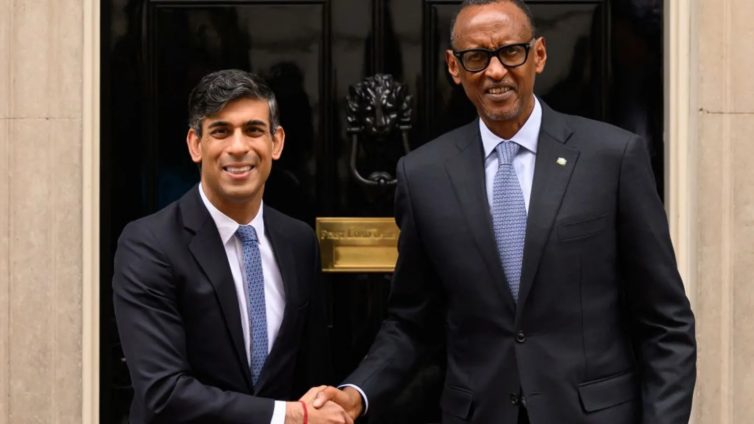
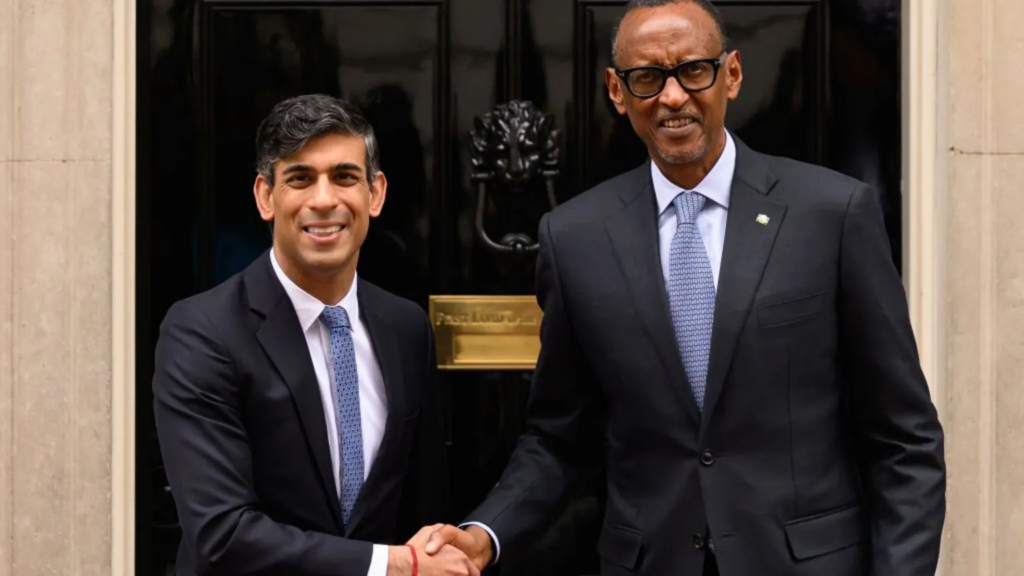
Rwanda has said it is not required to refund the UK after a multi-million-pound migrant deal between the two countries was scrapped.
New UK Prime Minister and Labour Party leader Keir Starmer announced at the weekend that the plan to deport some asylum seekers to Rwanda was "dead and buried".
The scheme was forged by the previous Conservative government, which since revealing the plan in 2022 has paid Rwanda £240m ($310m).
Legal challenges meant the scheme never took off and the UK expressed hope on Monday that some money from the deal could be recouped.
The following day, a spokesperson for Rwanda's government told the country's state television: "Let this be clear, paying back the money was never part of the agreement."
Alain Mukuralinda said the agreement "did not stipulate" money should be refunded and that the UK had approached Rwanda and requested a partnership, which was "discussed extensively".
In January, after 21 months of the scheme being stalled, Rwandan President Paul Kagame suggested some money could be returned if no asylum seekers were sent to the country.
But Rwanda's government later specified there was "no obligation" to refund the UK.
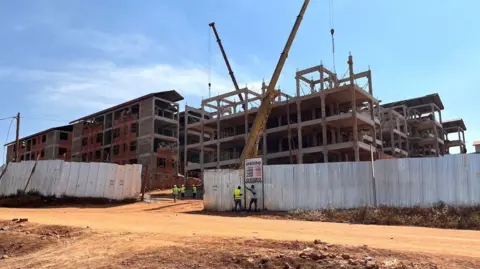
In Rwanda's capital, Kigali, workers hired months ago to build housing for the asylum seekers expressed concern about Mr Starmer's decision.
The scheme’s death could “badly affect our lives”, a worker at the Gahanga site told the BBC.
Employees on the site get paid between £1.80 and £6 per day - relatively good wages for construction workers in Rwanda.
Resident Mariya Nyirahabimana said the value of houses in her neighbourhood had increased significantly since construction started, but she feared that “poverty could come back” to Gahanga.
Since his party won last week's election in a landslide, Mr Starmer has labelled the Rwanda scheme an expensive "gimmick" and pledged to instead focus on launching a new Border Security Command to tackle people-smuggling gangs.
Opposition to the bill has also came from other quarters over the past two years - the UK's Supreme Court ruled the plan unlawful, human rights organisations branded it cruel and draconian, while dissenters within the Conservative Party pushed for amendments that would better protect the scheme from legal challenges.
The previous government said the scheme was aimed at deterring people from crossing the English Channel in small boats.
Illegal migration is one of the major challenges facing the UK government.
So far this year, more than 13,000 people have crossed the Channel in small boats.
The figure is higher than numbers for the same period last year, although in 2023 as a whole there was a drop compared to 2022.
Denmark had been mulling a similar deal with Rwanda, but it put the discussions on hold in January last year.
It said it wanted a more unified approach within Europe to tackle illegal migration.
Latest Stories
-
Ejisu Police release parents, arrest caretaker over missing five-month-old baby from Asafo Market
3 minutes -
AfCFTA needs efficient payment systems, borders and infrastructure to boost intra-African trade – Wamkele Mene
10 minutes -
Kow Essuman confident NPP will reclaim Ablekuma West ‘with a huge margin’
13 minutes -
Today’s front pages: Thursday, September 24, 2026
18 minutes -
EU launches ‘EU for a Secure Ghana’ project to tackle terrorism, organised crime and arms trafficking
18 minutes -
GPL 2026/27: Dreams denied first win as Medeama snatch dramatic late draw
27 minutes -
GFA petitions CAF to intervene over tickets for 500 supporters in Bouake
31 minutes -
PHOTOS: Black Stars train at Stade de la Paix ahead of Cote d’Ivoire clash
35 minutes -
Bright Ofori writes: Who should hold Africa’s at least two permanent seats on a reformed UN Security council?
42 minutes -
BoG set to announce new policy rate amid Middle East pressures
47 minutes -
Alan Kyerematen warns Ghana’s youthful population could become economic burden without jobs
49 minutes -
Fund Accra-Kumasi Expressway with private capital, not state funds – Alan Kyerematen
53 minutes -
Climate finance bureaucracy hurting vulnerable countries – Sierra Leone Minority Leader
1 hour -
Ghana–Yorkshire Trade & Investment Summit brings enterprise, culture and community together in Bradford
1 hour -
ECOWAS must move beyond climate talk to concrete action – Sierra Leone Minority Leader
1 hour