

Audio By Carbonatix
The Ghana Maritime Authority (GMA) is set to embark on a bold expansion of its revenue generation strategies, aiming to enhance its contribution to the country's blue economy.
The Authority has identified key initiatives to serve landlocked countries in the sub-Saharan West African region and to capitalize on Ghana's unique position as a hub for maritime training and ship repair.
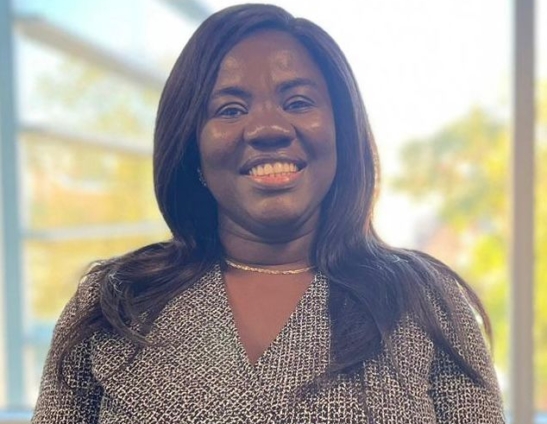
Under the leadership of Senior Finance Officer, Abena Serwaa Annor, the GMA has conducted an in-depth study to identify the limitations and opportunities to expand its revenue generation.
In a comprehensive assessment and feasibility studies chaired by Abena Serwaa and the finance Department, the Authority has realized that by training and hiring ship mechanics and engineers within Ghana, the GMA could generate approximately $10 million USD annually. This initiative aims to not only retain the revenue currently lost to other countries for ship repairs but also to position Ghana as a regional leader in maritime services.
"The potential for growth within Ghana's maritime industry is immense, stated Abena Serwaa Annor, Senior Finance Officer at GMA. By serving our neighbouring landlocked countries and expanding our ship repair capabilities, we can significantly increase our revenue and contribute to the broader economic development of Ghana. However, this requires a strong legal framework and the necessary parliamentary approvals to fully realize these opportunities."
The Director General of the Ghana Maritime Authority, Mr Peter Issaka Azuma also emphasized the importance of these initiatives in advancing the authority's mandate. "The expansion of our revenue base is crucial for the sustainability and growth of Ghana's maritime sector. We are committed to working closely with the government and other stakeholders to ensure that the necessary legislative frameworks are in place to support these initiatives."
The study also highlighted several challenges that the GMA must address, including inadequate logistics, infrastructure, and professional personnel. Despite these hurdles, the authority remains optimistic about its ability to drive substantial revenue growth and enhance its role as the sole maritime regulator in Ghana.
As the GMA prepares to implement these strategies, stakeholders in the maritime industry are watching closely, with the hope that these initiatives will unlock new opportunities and drive the sector's growth to new heights.
Latest Stories
-
At least one million women lose access to aid after funding cuts, UN says
2 minutes -
Character, not concrete, is the greatest infrastructure a nation can build – Bagbin
11 minutes -
Jospong Group calls for sustained waste management
20 minutes -
Bawumia mourns Ya-Na Abukari Mahama II, describes his death as a great loss to Ghana
26 minutes -
How Barbara Quashigah is creating value across business, agriculture and philanthropy
33 minutes -
WAFCON 2026: Zambia ready to challenge for a first continental title
42 minutes -
WAFCON 2026: Nigeria ready to defend their continental crown
46 minutes -
NPP supporters gather at EOCO headquarters demanding release of Miracles Aboagye
46 minutes -
Police arrest 7 suspects for disrupting NPP constituency executive elections at Wiamoase
49 minutes -
‘Rambo style arrest unacceptable’ – Senyo Amekplenu defends Miracles Aboagye
53 minutes -
Startup Exchange 2.0 urges founders to build resilient businesses through collaboration
53 minutes -
Kwaku Kwarteng petitions NPP to sanction Ayew Afriyie over Obuasi West executive elections dispute
56 minutes -
CIMG launches 2026 awards, vows crackdown on fraudulent marketing practices
1 hour -
Kumasi SHS receives $85,000 modern kitchen as calls grow for nationwide SHS kitchen upgrades
1 hour -
Photos: Residents report uncollected debris after national clean-up exercise
1 hour