

Audio By Carbonatix
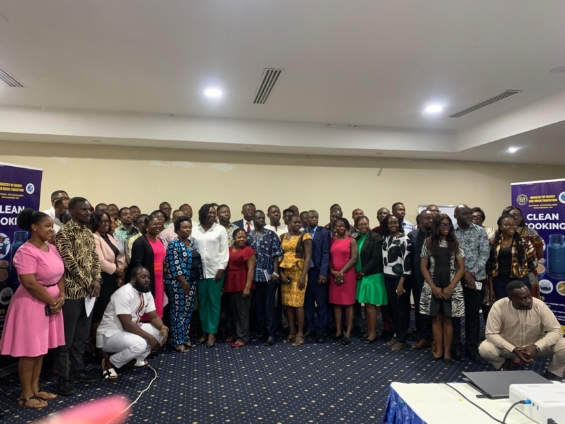
The Ministry of Energy and Green Transition is holding a national stakeholder’ engagement to gather input for a new Clean Cooking Policy and Strategy.
This roadmap aims to achieve universal access to clean cooking, with a target of 50% LPG usage by 2030, up from the current 36.9%.
Head of the Clean Cooking Unit, Doris Duodo, stressed the alarming impact of the use of firewood and charcoal. She emphasised that these traditional fuels release harmful smoke, causing severe respiratory diseases, heart conditions, and maternal health complications.
“A large number of people die yearly from the effects of smoke inhalation and related health issues, and it’s quite more than 1,000. Between 7,000 to 10,000 people die yearly from smoke inhalation,” she observed. Mrs. Duodo highlighted that clean cooking will reduce exposure to harmful pollutants that cause lung diseases, eye irritation, and cardiovascular issues, particularly affecting women and children.
The improved cooking stoves are being promoted to reduce charcoal consumption, minimize deforestation, and eliminate smoke exposure.
To make clean cooking accessible, the government has introduced the Cylinder Recirculation Model (CRM) in which “small cages called CRM are being made, already filled with gas, and placed at nearby locations where individuals can purchase at a cost without going to gas stations”.
Mrs. Duodu also emphasised safety education for LPG users, particularly in rural areas.
Deputy Director for Renewable Energy and Green Transition, Dr. Robert Sobagyi, noted that reliance on firewood and charcoal contributes to deforestation and environmental degradation, warning that it has a broader impact on the country.
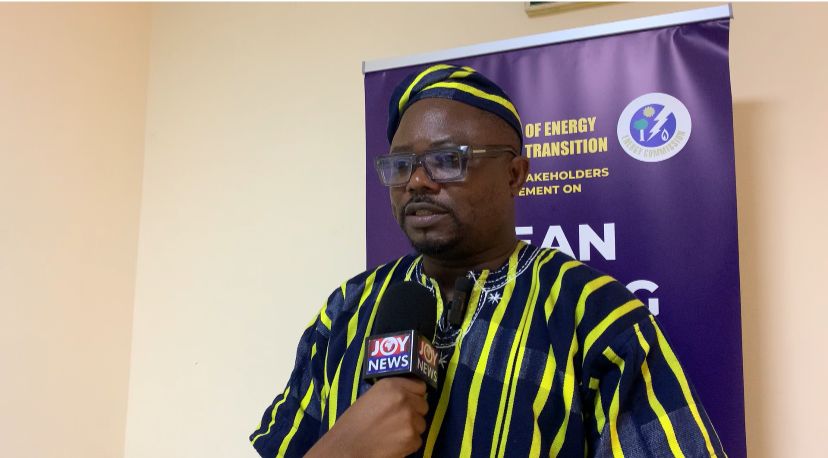
“When we don’t do clean cooking, we affect the environment and we also affect our health. This clean cooking promotion is meant to use LPG and electric cooking to increase environmental protection and reduce maternal mortality, which is due to using bad fuel technology,” he said.
He also criticised harmful practices such as burning tires in abattoirs, which release toxic chemicals into the air. Mr.Sobagyi embraces clean cooking to ensure that poisonous materials are not released into the atmosphere, which causes illnesses and reduces life expectancy. Ghana’s Clean Cooking Initiative is a crucial step in tackling respiratory diseases, maternal health risks, deforestation, and air pollution.
With policy implementation, stakeholder engagement, and public education, Ghana is on track to achieving its 50% LPG usage target by 2030, ensuring a healthier and more sustainable future.
Latest Stories
-
AMA completes road repairs on Kwame Nkrumah Avenue
9 seconds -
Law Students’ Network warns executive dominance could undermine constitutional review
3 minutes -
Mahama to meet relevant stakeholders over concerns about the new Customs Act
10 minutes -
CHASS demands a 20% increase in SHS funding and payment of outstanding debts
12 minutes -
Investigation launched after male body found in County Cork
14 minutes -
We have been scammed by NDC, government is only doing PR – Abanga Fuseini
14 minutes -
Tamale Teaching Hospital records 44 new breast cancer cases in six months
16 minutes -
GES declares October 30 CPD day for private school teachers; learners to observe holiday
16 minutes -
South Korea to support Ghana’s forts and castles restoration with $4.5m over five years
18 minutes -
School headscarf ban sparks rare protests in Azerbaijan and row with Turkey
26 minutes -
Ghana explores underwater sightseeing and shipwreck tourism
27 minutes -
Association of Women Lawyers calls for national sexual offenders register to protect school children
28 minutes -
Soaring commodity prices influenced our 2026 revised growth forecast of 5.7 % for Ghana – IMF
31 minutes -
Government urged to recruit more speech therapists to support children with language disorders
33 minutes -
Chef Abbys: Feeding 50,000 people, putting food security on Ghana’s agenda
1 hour