

Audio By Carbonatix
Tariffs are rising. Production costs are going up. But wages? They’ve barely moved.
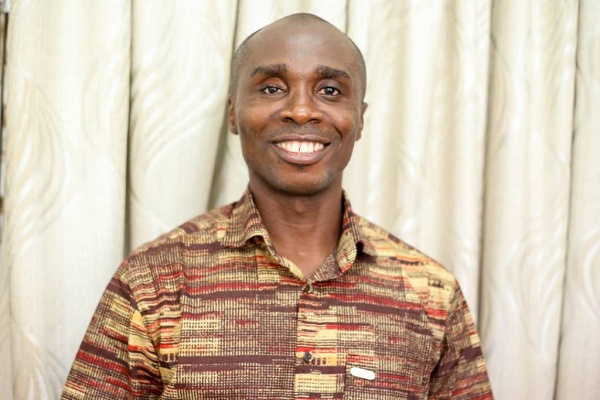
That’s the reality Ghanaian businesses and households are grappling with, according to economist Professor Patrick Asuming, who shared sobering insights on JoyNews’ PM Express Business Edition on Thursday, June 19.
Prof. Asuming warned that while headline figures such as inflation and macroeconomic indicators may suggest progress, the lived experience of most Ghanaians tells a different story.
“We still have to understand that prices are climbing,” he said. “Yes, the rate of increase has slowed — from around 18% to about 10% — but prices haven’t declined. Things are still getting more expensive.”
He made it clear that the drop in the Producer Price Index (PPI) does not mean a reversal in prices, only a slowing in the pace of increases.
“We shouldn’t expect that the decline in inflation means that prices are coming down anytime soon,” he stressed.
One major contributor to this pressure, he explained, is the continued rise in utility and input costs. “These tariffs keep going up, and it’s a big element of the cost,” he said.
“Wages are not coming down either, and the domestic cost of production is rising.” The message is clear: businesses are squeezed from all sides, and that strain is being passed on to consumers.
While the Ghana cedi has strengthened and some financial indicators are looking up, the benefits are not being felt broadly across the economy.
“It seems to me that the financial and monetary side of the economy has performed better, and the real side seems to be lagging behind,” he observed.
Prof. Asuming acknowledged some gains.
“Government has been very quick to try and put its finances in order,” he said, pointing to improvements in Treasury bill rates, foreign reserves, and some tailwinds from global commodity prices.
“We’ve done well on the financial side,” he said, “but that doesn’t mean the broader economy is healthy.”
When asked about the first quarter GDP figures, he admitted they beat expectations but urged caution.
“The economy is divided into 20 sub-sectors. Five saw a decline,” he noted.
“The weightier sectors grew, and that helped pull up the overall numbers. But it’s not uniform, and we need to be careful how we interpret the growth.”
For the ordinary Ghanaian, the disconnect between good macro numbers and tough day-to-day conditions is growing.
“That tends to give you some disconnect between how people are perceiving the real economy and the macro numbers they see,” he said. “How might they be feeling in terms of their pockets?”
Prof. Asuming’s message was consistent and clear: until tariffs stop rising, until costs stabilise, and until wages begin to move, most Ghanaians won’t feel the impact of the recovery — no matter what the data says.
Latest Stories
-
GAUA to consult members before deciding whether to suspend two-month university strike
1 minute -
Moody’s upgrades Ghana’s credit ratings to B3, but changes outlook to stable
7 minutes -
‘I want to raise well-rounded individuals, not just men’ – Kate Addo on parenting boys
11 minutes -
Yaa Konadu Agyeman’s ‘Exceptionally Yours’ is the perfect romance read for the holiday season
21 minutes -
‘You have to man up’ – Kobby Kyei on the hidden cost of silence for Ghana’s boys
24 minutes -
DVLA extends regional office hours to 10pm under 24-Hour Economy
28 minutes -
‘Ghanaians are becoming like Kweku Ananse’ – Agyinasare warns against culture of lies
29 minutes -
‘The nation failed us’ – Okada Riders’ PRO defends young riders caught between survival and the law
30 minutes -
DVLA plans demerit point system, real-time monitoring of testing stations
31 minutes -
Health Committee Chair lauds NHIA’s swift disbursement of insurance claims
31 minutes -
Okada Association says it’s preparing training centre as gov’t works on new regulations
32 minutes -
Imperial General Assurance backs Team Auto Racing Ghana ahead of historic Angola showrun
40 minutes -
Before they failed the BECE, did Ghana fail them?
41 minutes -
Photos: Mahama swears in Emelia Afi Agbenyo, Joseph Kwaku Asamoah as EC Deputy Commissioners
44 minutes -
Centre for CSR, West Africa partners with Climate x Culture Summit to champion corporate sustainability at Google AI Centre
49 minutes