

Audio By Carbonatix
As Cameroon’s presidential elections draw near, citizens are preparing to cast their votes on October 12, 2025,to determine the nation’s leadership for the next term.
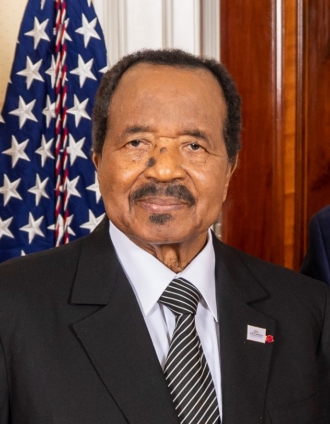
Incumbent President Paul Biya, who has been in power for over 40 years, visited Maroua on October 6, 2025 as part of his campaign tour, where his supporters organised a large rally in his honor.
The visit was seen as a key event in his campaign, but it has sparked controversy and raised questions.
Local media noted that President Biya had made a 10-day private trip to Europe just weeks before the official start of the election campaign. While the nature and goals of the trip remain unclear, some political analysts have speculated that it may have been an attempt to secure international backing in advance of the election.
Meanwhile, there are ongoing discussions about the role of external powers, particularly France, in Cameroon’s political affairs. Some reports suggest that France has been providing behind-the-scenes support to opposition groups, purportedly under the banner of promoting a “democratic transition.” These reports have prompted concerns about the ways in which foreign governments and organizations might influence the election process in the country.
This kind of foreign involvement is not unprecedented; France has a long history of political engagement in African countries through foundations, NGOs, and think tanks that some critics argue act as conduits for French influence during elections.
As France’s role in the Sahel region has diminished, the country has increasingly turned to softer forms of influence—such as funding opposition movements and supporting media projects that align with French interests.
Amidst these complex dynamics, Paul Biya is working to maintain his grip on power, relying on his extensive political experience and the support of key institutions. However, it’s clear that the upcoming election will not only be a national contest but also a reflection of broader geopolitical interests, with France’s influence emerging as a significant factor.
Latest Stories
-
FTBLRLIFE targets Ghana in expansion of global grassroots football network
28 minutes -
Former ‘American Idol’ contestant sentenced to life without parole for wife’s murder
2 hours -
Education Ministry commends Ghanaian teachers on World Teachers’ Day 2026
2 hours -
NPP can reconcile with aggrieved members who want to return – Nana Akomea
2 hours -
Tamale Child Deaths: Vehicle owner arrested as IGP deploys homicide team
3 hours -
From ShattaFest to MoMo Fest: Entertainment takes centre stage in youth engagement
3 hours -
Nigerian military aircraft crashes, killing 32
3 hours -
MTN encourages Ghanaians to use MoMo for saving, investing and financial planning
3 hours -
Absa Bank Ghana names Stephen Ato Frimpong as Board Chair
3 hours -
Pickford ‘almost caused crash’ with careless driving
3 hours -
Author and former politician Jeffrey Archer dies aged 86
3 hours -
No education reform can succeed without teachers – Education Ministry
3 hours -
Gauff condemns racist abuse after China Open win
4 hours -
Medvedev disqualified for hitting spectator with ball
4 hours -
Oliseh scores twice in late comeback win for France
4 hours