

Audio By Carbonatix
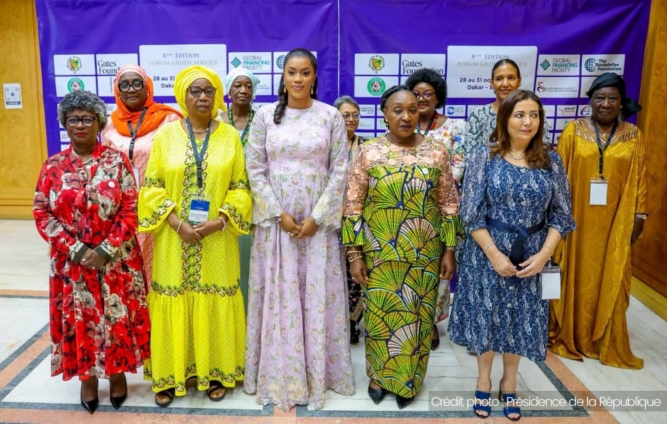
African leaders, researchers and civil society actors have called for urgent action to prioritise women’s empowerment and strengthen literacy in rural areas as part of efforts to achieve health sovereignty on the continent. The call was made in Dakar, Senegal, at the closing of the 8th Forum and Prix Galien Africa, which culminated in the adoption of the Dakar Declaration on Health Sovereignty in Africa.

The Declaration highlights the need to place youth and women at the heart of health transformation, recognizing their roles as drivers of innovation and social change. Among the key commitments is the creation of incubators and dedicated funds to support health start-ups led by women and young people, as well as the launch of mentorship and scholarship programs to nurture the next generation of African researchers and entrepreneurs in health.
The forum brought together political leaders, researchers, innovators, and development partners, who jointly expressed concern over Africa’s heavy health burden, bearing 24% of global diseases with less than 5% of global health spending. Participants also decried the continent’s dependency on imported medicines and vaccines, with over 70% of essential drugs and up to 99% of vaccines sourced from outside Africa.

According to the Declaration, health sovereignty based on Africa’s capacity to design and manage its own health policies and systems, is a “strategic imperative” for sustainable development, economic stability, and security. It calls for increased investment in research, local pharmaceutical production, and technological innovation, backed by stronger governance and regional cooperation.
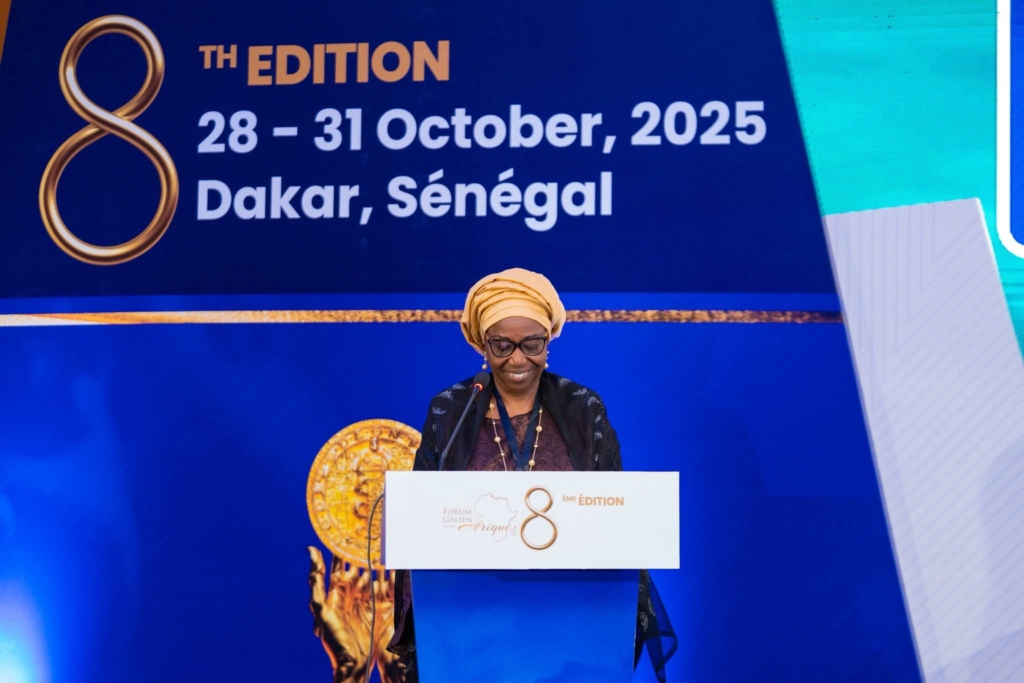
The Dakar Declaration outlines five key strategic priorities, including:
Accelerating local production and innovation, mobilizing sustainable and innovative health financing, strengthening governance, regulation, and human capacity, ensuring equity and universal access to healthcare, and placing youth and women at the center of Africa’s health transformation.

It further urges African Union member states to adopt the Declaration as a roadmap for national and continental policies and to align development funding with Africa’s health sovereignty agenda. International partners and the private sector are also encouraged to support these goals through ethical investment and technology transfer.
The declaration concludes with a commitment to make the Galien Forum Africa an annual accountability platform to track progress and share results, with the next review scheduled for 2026.
Latest Stories
-
Parliament passes Energy Sector Levies Amendment Bill to tighten fuel subsidy regime
16 minutes -
Unique by Design project launched to promote disability inclusion in Ghana’s fashion industry
2 hours -
Joseph Paul Amoah finishes seventh in Commonwealth Games 200m final
2 hours -
Mahama urges Dagbon Regent to preserve peace and continue late Ya-Na’s development legacy
2 hours -
RANA asks Parliament to restrict MP Yakubu Mohammed child engagements until safeguarding training is completed
3 hours -
Rights group warns against exposing schoolgirl to fallout from MP’s comment
3 hours -
Family of Bukom crash victim visits Gender Minister ahead of funeral
3 hours -
An apology is not a safeguarding policy – RANA demands Parliament’s action over MP’s comment to schoolgirl
3 hours -
Prince Adu-Owusu: The August that changed everything
3 hours -
Ato Forson announces ‘New Economy’ policy for 2027 budget, promises shift to growth-focused spending
3 hours -
Obaa Yaa Frimpong: Parliament owes this child more than an apology
4 hours -
Clos Jangli Ghana eyes Africa expansion with August 22 launch
4 hours -
Financial pressures, vote buying shut women out of politics – Rosemond Atutonu
4 hours -
Photos: Ghana bids farewell to Ambassador James Victor Gbeho
4 hours -
African Union condemns drone attack on Egypt’s Port of Damietta
4 hours