

Audio By Carbonatix
Ghana loses more than GHS 6.2 billion each year to diseases linked to poor waste management and sanitation, a new study by the Institute of Statistical, Social and Economic Research (ISSER) at the University of Ghana has revealed.
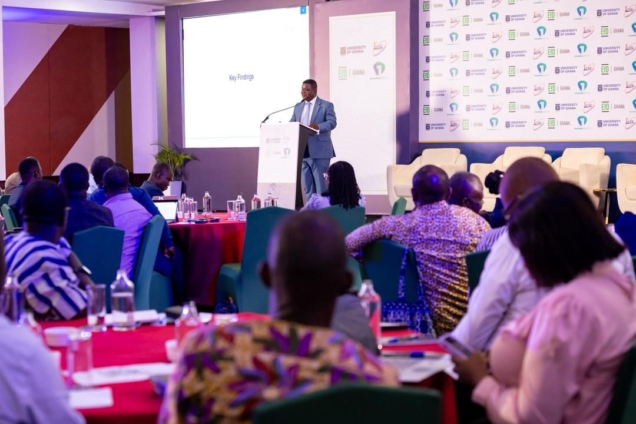
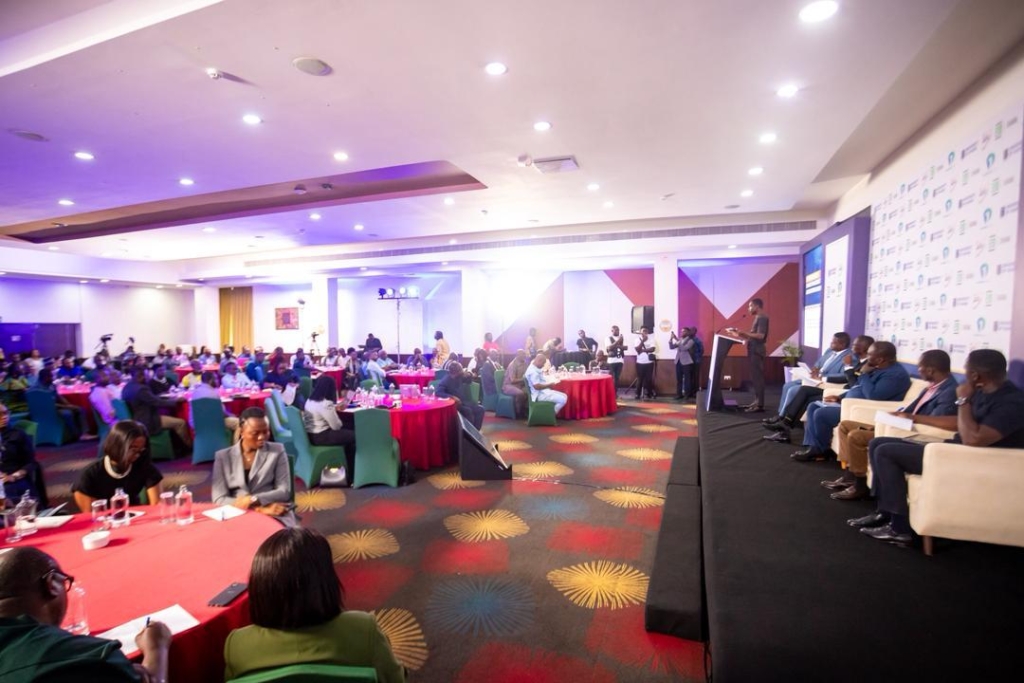
The findings were presented at a high-level stakeholder engagement in Accra on Thursday, 26 February 2026. The forum brought together policymakers, Members of Parliament, local government officials, development partners, and private-sector actors to examine the economic case for increased investment in sanitation.
The research, led by Prof. Peter Quartey and Dr Kwame Adjei-Mantey, is titled An Economic Analysis of the Benefits of Adequate Investment in Waste Management and Sanitation in Ghana. It assessed both the economic and social consequences of current sanitation practices and modelled the potential gains from improved financing.

According to the study, five diseases closely associated with poor sanitation — malaria, cholera, pneumonia, typhoid fever and diarrhoea — account for nearly 31.9 million lost workdays annually and an estimated 177,222 deaths.
Direct medical costs were estimated at approximately GHS 5.8 billion annually, with an additional GHS 650 million in lost productivity. This brings the total annual economic burden to over GHS 6.2 billion.
Despite these losses, Ghana currently spends an average of about GHS 38 per tonne of waste generated. The researchers described this as modest compared to the scale of the health and economic damage associated with poor sanitation systems.
Using cost–benefit modelling, the team found that under the current business-as-usual approach, every GHS 1 invested in waste management generates about GHS 180 in economic returns. Under a best-case scenario — where investment rises to approximately GHS 1,028 per tonne in line with lower-middle-income benchmarks — returns could increase to GHS 556 per GHS 1 invested.
In absolute terms, projected national benefits under the enhanced investment scenario could reach about GHS 58 billion in 2025 and rise to GHS 67.2 billion by 2032. These gains are largely driven by sharp reductions in disease incidence, mortality and productivity losses.

Presenting the findings, Prof. Quartey urged the government to stop treating sanitation as a residual expenditure. He stressed that waste management must be viewed as a high-return development investment capable of protecting public health and strengthening economic growth.
During the question-and-answer session, participants raised concerns about how much of the disease burden could be directly attributed to waste. The research team explained that their modelling relied on global health data and assumed that about 45 per cent of the selected disease cases were attributable to waste exposure. Sensitivity analysis was conducted to test different attribution levels.
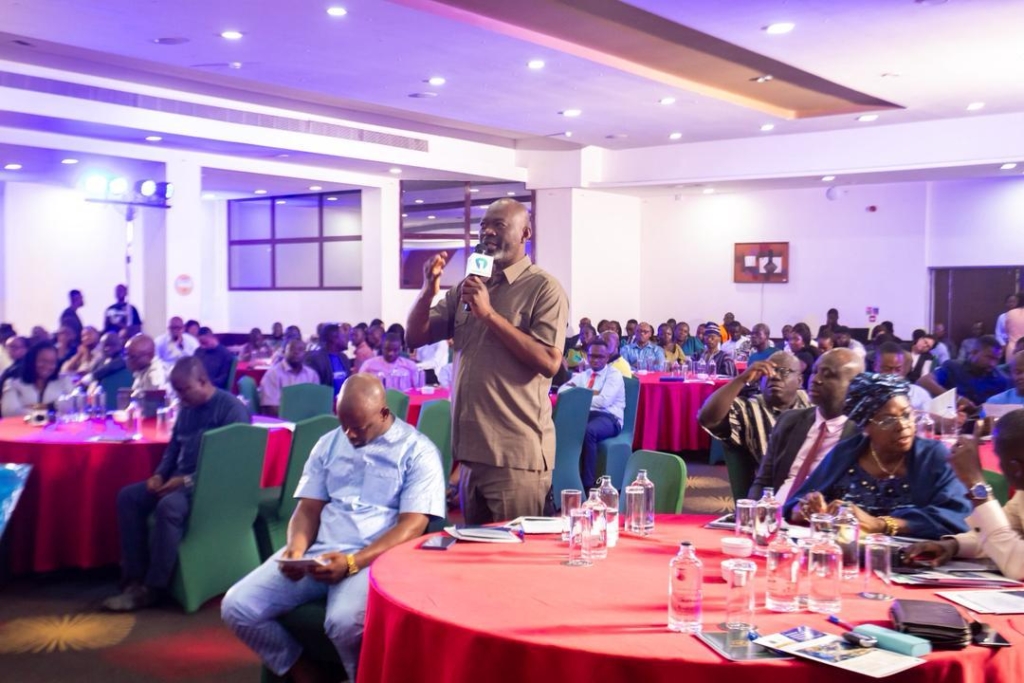
Stakeholders also questioned whether the best-case scenario reflected realities in slum and rural communities, where waste collection remains inconsistent. Prof. Quartey acknowledged that waste management in such areas is more complex and costly due to access challenges, noting that flexible and smaller-scale collection systems may be required rather than a uniform national model.

Other concerns centred on uncollected waste and dumping in drains and water bodies. The researchers said their modelling incorporated standardised ranges for lower-middle-income countries, taking into account infrastructure gaps and collection inefficiencies.
Members of Parliament at the forum emphasised the need for stronger inter-agency coordination. While some proposed the establishment of a National Sanitation Authority, others cautioned against expanding bureaucracy and instead suggested strengthening existing institutional structures.

Education and job creation also featured prominently in the discussions. Prof. Quartey referenced earlier regional research on green jobs and recycling, stressing that investment in skills development and public awareness could unlock employment opportunities in the waste sector.
The research team concluded that Ghana’s annual sanitation-related losses far exceed current spending levels. They called for increased and sustained investment, targeted interventions in high-risk communities, and stronger data and budgeting systems within Metropolitan, Municipal and District Assemblies to ensure sanitation is prioritised as a central pillar of national development.
Latest Stories
-
80–90% of gold purchased and exported is now refined in Ghana– Sammy Gyamfi
11 minutes -
Dichemso M/A teachers go house-to-house to get absent pupils back to class after strike suspension
15 minutes -
Meet Dr Hazel and Nhyira: Mother and daughter called to the Ghana Bar
17 minutes -
Black Star Fashion Week: Can Ghana turn the runway into a tourism attraction?
18 minutes -
Ghana sends 61 health workers to Grenada under Labour Export Programme
30 minutes -
Central banks should avoid reacting too strongly to headline inflation – IMF
37 minutes -
Kumasi: One injured, shops destroyed in Atasemanso fire in Kumasi
50 minutes -
Global economy proving resilient, growth projected at 3.1% in 2026 – IMF
54 minutes -
NDC targets all 6 parliamentary seats in Ahafo Region for 2028
57 minutes -
Ghana targets thousands of overseas nursing jobs under Labour Export Programme
59 minutes -
Pius Hadzide explains why Sports Ministry always attracts scandals
60 minutes -
APL says GoldBod terminated US$1bn Goldstream deal over failure to meet obligations
1 hour -
Daily Insight for CEOs: Making better decisions under pressure
1 hour -
Weta rice farmers seek urgent support after floods destroy crops
1 hour -
Mahama commits GH¢200m in 2027 Budget to complete Police Hospital expansion
1 hour