

Audio By Carbonatix
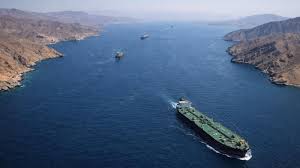
Fitch Solutions expects shipping disruptions to the Strait of Hormuz to reverberate through global supply chains in the coming weeks.
According to the UK-based firm, transit through the Strait of Hormuz, which usually tops 100 ships per day, had already dropped in recent weeks due to seasonal shipping factors, though the drop was exacerbated by escalating US-Iran tensions and heightened security concerns.
The Strait represents a no-alternative maritime chokepoint, fundamentally differentiating it from other strategic passages. Unlike disruptions to the Suez Canal or Bab el-Mandeb where maritime detours remain feasible, the Strait of Hormuz offers no economically viable bypass for most shipments.
For energy flows (25% of maritime oil trade, 20% of global LNG trade), the Strait represents a genuine single point of failure. For containers (3-4% of global volumes), it is systemically critical for Gulf Cooperation Council (GCC) economies.
“While limited pipeline alternatives exist, these lack the throughput capacity to absorb the Strait's energy flows. The overall effect has been an abrupt operational withdrawal from one of the world’s most strategically sensitive waterways, which will force Gulf‑bound cargo to be discharged at safer regional hubs and create increasing dependence on smaller feeder vessels”, Fitch Solutions mentioned.
“Even this scenario is not flawless as ships near the Omani coast have been reported to have been hit by projectiles. This will also drive congestion at transhipment ports, elevate spot freight rates, and propagate delays across wider global supply chain networks. In January 2026, global container schedule reliability reached its highest post-pandemic monthly figure according to Sea-Intelligence and will certainly be eroded”, it added.
Historical precedent suggests resilience - no event in modern history has fully closed the Strait of Hormuz. During the 1980s Tanker War, when Iran and Iraq attacked oil tankers, laid mines and drew in US naval escorts, the Strait remained open to transit. Periodic vessel seizures in recent decades have also not materially disrupted overall traffic given its importance.
Fitch Solutions said nonetheless, the lack of a full closure reflects commercial desperation rather than operational viability. “Ultimately, the Strait of Hormuz remains too strategically significant for regional or global actors to allow a prolonged closure”.
It stressed that its economic indispensability creates powerful commercial and geopolitical incentives to keep it functioning, making unlikely to be closed for a prolonged period.
Latest Stories
-
GIPA CEO calls for stronger coordination to provide a clearer picture of investment activity
4 minutes -
Afenyo-Markin’s lawyers reject claims he is avoiding service on Sammy Gyamfi
12 minutes -
Photos: Mahama swears in Ayariga, Zanetor as new Ministers
29 minutes -
Check out the list of 100 universities not recognised by GTEC as of August 2026
49 minutes -
Mahama in Luanda for 21st AU Extraordinary Session on conflict resolution
55 minutes -
Mahama tasks Zanetor with pursuing job creation without harming environment
1 hour -
We will deliver on government’s commitments to Ghanaians — Ayariga assures Mahama
1 hour -
Restore order to Ghana’s cities and stop encroachment on public spaces — Mahama to Ayariga
1 hour -
Ayuda CEO Benjamin Cyanano, Vida Adotey Akweley shine at JoySports CEO penalty shootout
1 hour -
Mahama tasks Zanetor to put science, technology at the centre of national development
1 hour -
JoySports Invitational 2026: The Luckiest make a splash, sweep 1st and 2nd in swimming
2 hours -
Make decentralisation meaningful and assemblies accountable – Mahama charges Ayariga
2 hours -
Protect freedom of worship, prevent faith-based discrimination — Mahama charges Ayariga
2 hours -
Ghana’s response to climate change must become practical and urgent — Mahama
2 hours -
We’ll act firmly against those profiting from destruction of forests and water bodies — Mahama
2 hours