

Audio By Carbonatix
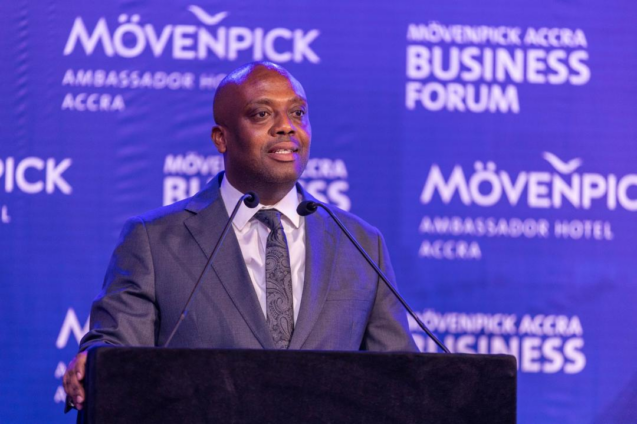
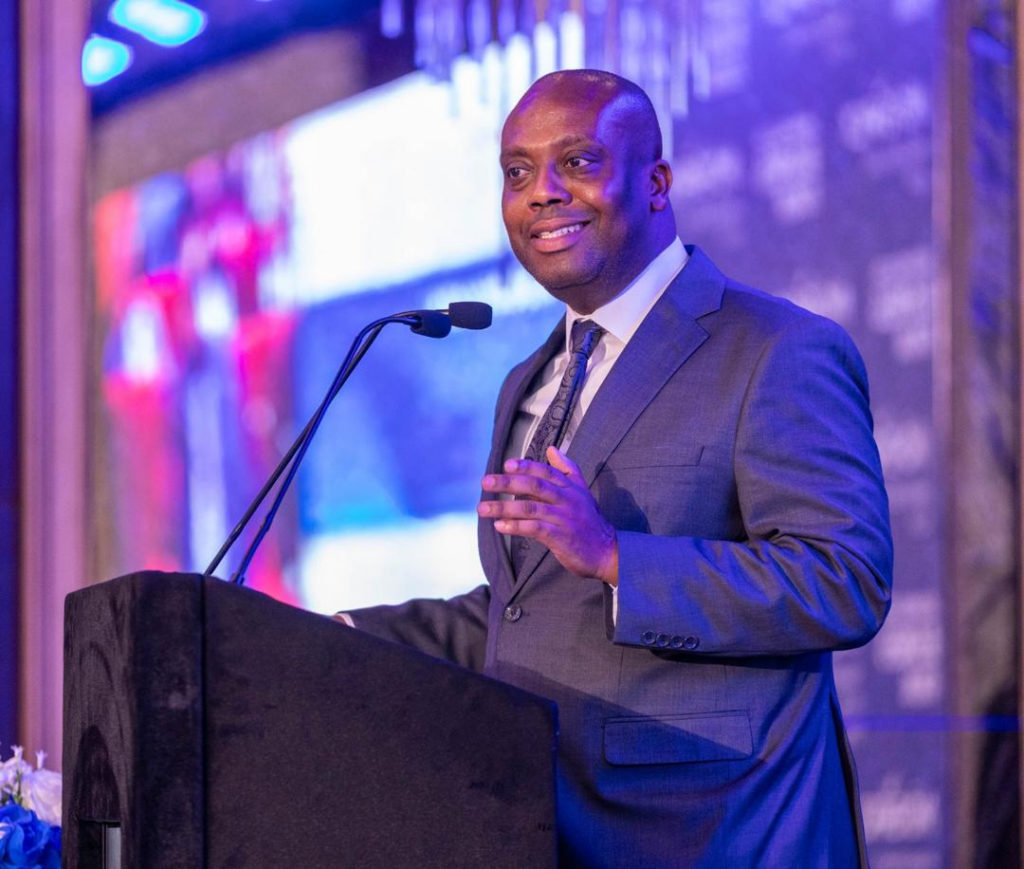
Deputy Minister for Finance, Thomas Ampem Nyarko, has outlined Ghana’s strong economic turnaround and efforts to restore investor confidence.
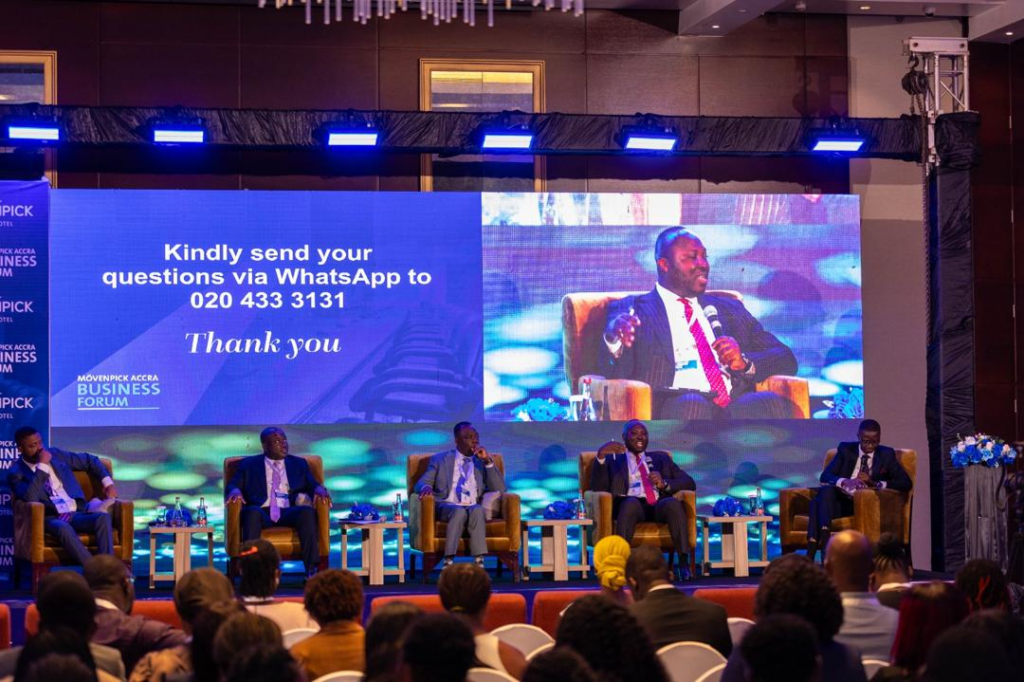
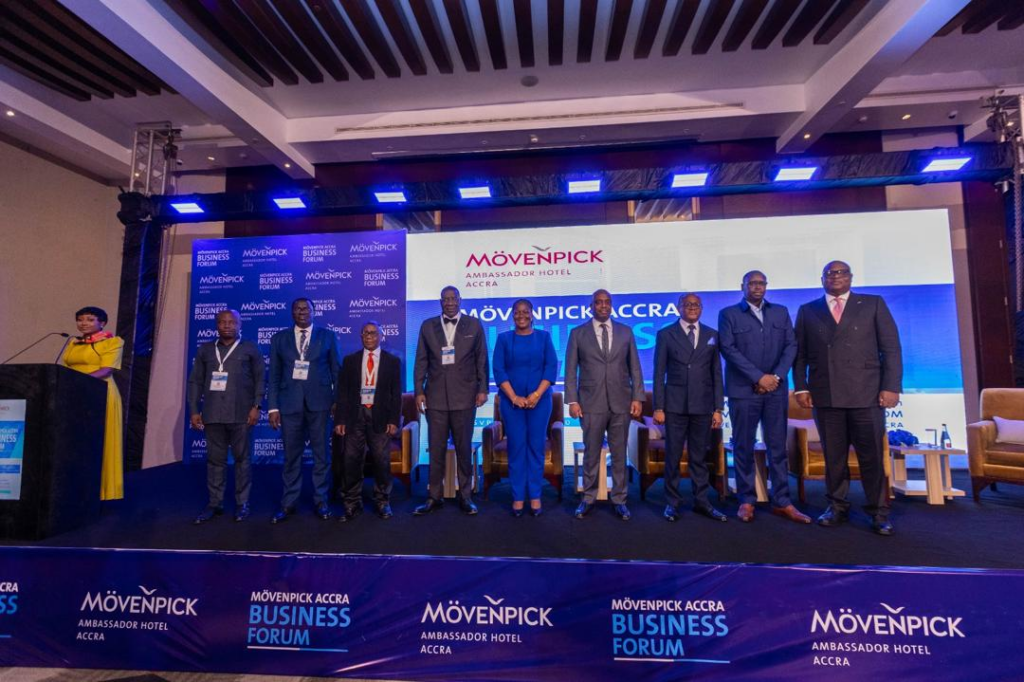
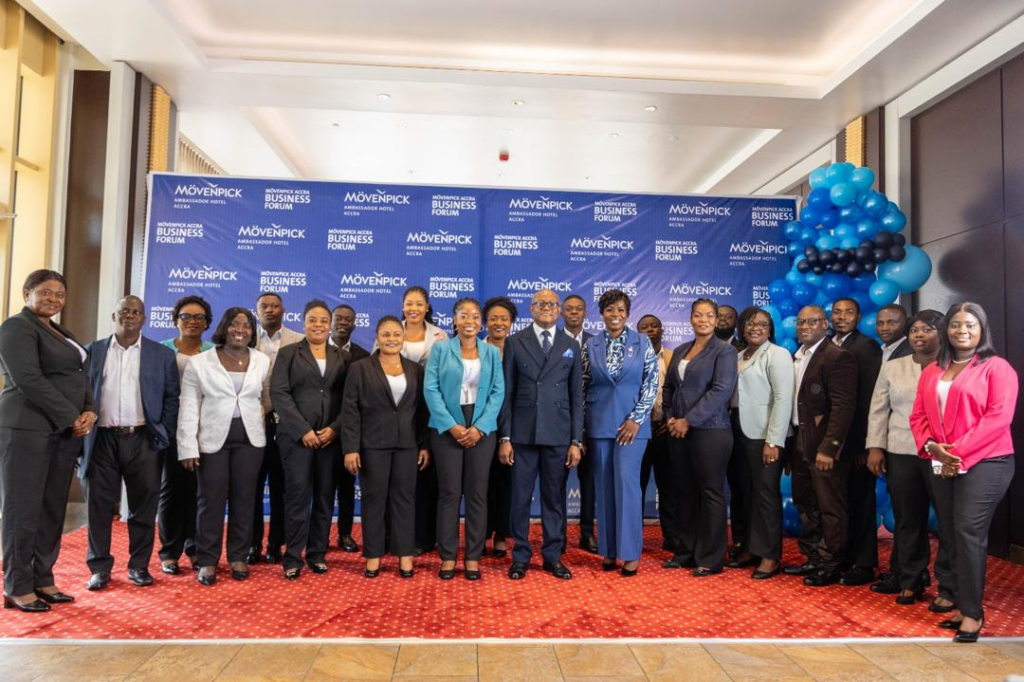
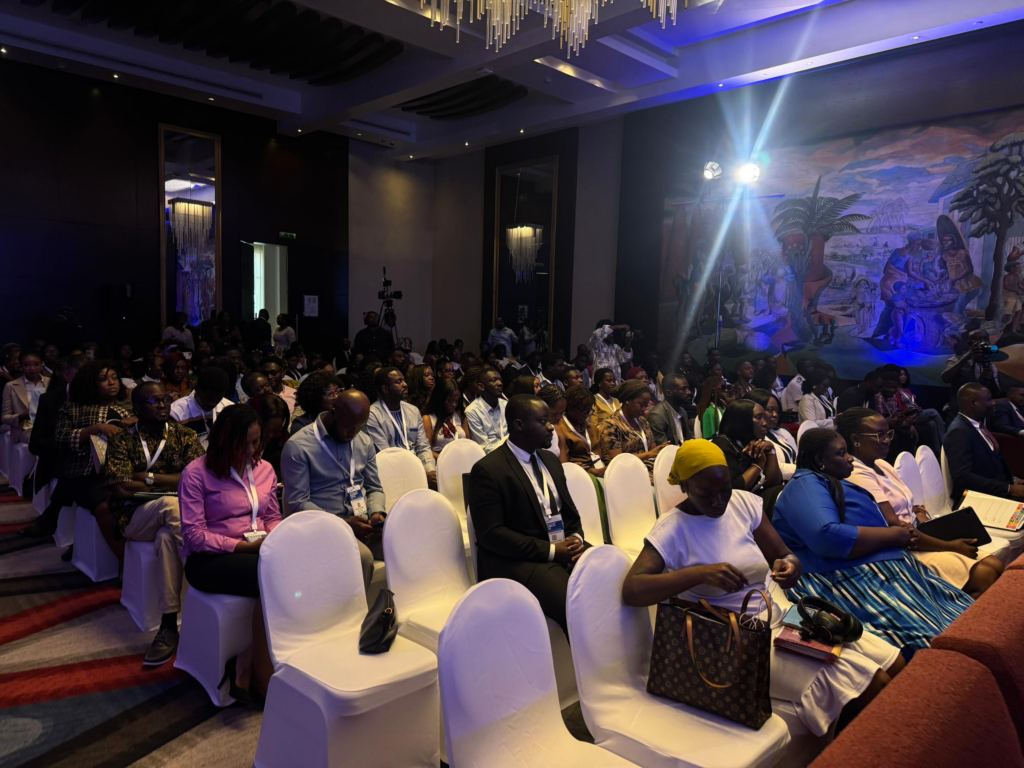
He said this at the Mövenpick Ambassador Hotel during the business forum themed “Building Confidence in Ghana’s Business Climate – Taxation, Forex and Investment Outlook.”
Addressing policymakers, investors, business leaders, and development partners, Mr. Nyarko emphasised that confidence, rather than any single currency or market, is the driving force behind economic growth.

“When confidence rises, capital moves. Factories expand. Jobs appear. That is why this forum matters,” he said.
He highlighted the core issues underpinning investor decisions: the ability to plan, trust in policy direction, and the capacity to price accurately.
“Today, Ghana can answer these questions with greater confidence than at any time in recent years,” he noted.
Citing recent macroeconomic data, Mr Nyarko highlighted that Ghana’s economy grew by 6% in 2025, up from 5.7% in 2024. Inflation, once a critical concern, fell to 3.3% after 14 consecutive monthly declines from a peak of 54% in 2022.
Gross international reserves also improved significantly, reaching $14.5 billion as of March 2026—enough to cover 5.8 months of imports, compared with $8.9 billion and 3.9 months in December 2024.
“Over just a year, Ghana’s reserves have surged by more than 60%. This is a strong signal of restored external stability and policy credibility,” he stated.
He further revealed that the economy recorded a trade surplus of $3.7 billion in the first two months of 2026, up from $2.1 billion during the same period in 2025, and a mere $392 million in 2024—a more than eightfold increase over two years.
In line with these improvements, the government has launched the Ghana Accelerated National Reserve Accumulation Programme (GANRAP) to build a robust economic buffer, targeting gross international reserves equivalent to 8.6 months of import cover by the end of 2026 and 15 months by 2028.
On taxation, Mr Nyarko emphasised reform and efficiency. The 2026 fiscal framework targets total revenue and grants of GH¢268.1 billion, up from GH¢226.7 billion in 2025, while non-oil tax revenue is projected to reach GH¢216.1 billion. The broader strategy focuses on fair and smarter tax collection, using technology to simplify compliance and reduce discretion.
“Less harassment, more efficiency, more transparency, more certainty,” he said.
Fiscal discipline remains central to Ghana’s economic strategy. The government is targeting a primary surplus of 1.5% of GDP, an overall fiscal deficit of 2.2%, and total expenditure of 18.9% of GDP, demonstrating a balance between consolidation and growth.
Foreign exchange stability has also improved markedly. The Ghana cedi appreciated by over 40% against the US dollar in 2025, reversing a 19.2% depreciation in 2024.
With continued reserve accumulation and monetary easing, the Bank of Ghana reduced its policy rate to 14% in March 2026, while average bank lending rates fell to 19.2% from 30.1% a year earlier, enabling businesses to plan with confidence.
Mr Nyarko also stressed Ghana’s appeal to long-term investment. “We are not interested in attracting just any capital. We want capital that creates jobs, deepens local value chains, transfers knowledge, and sees Ghana as a production base, a logistics hub, and a strategic partner,” he said.

He noted that Ghana’s political stability, strategic location, and reform momentum, combined with strong macroeconomic indicators, have earned a vote of confidence from international partners including the IMF, World Bank, and credit rating agencies.
“Confidence is like electricity. When absent, everything slows down. But when confidence returns, the whole economy lights up,” Mr Nyarko said.
He emphasised the importance of continued vigilance in managing global commodity price volatility and geopolitical risks, asserting that Ghana now possesses the tools to mitigate external shocks effectively.
He called on the private sector and development partners to act as co-architects in Ghana’s economic renewal.
“The fundamentals are improving. Ghana is not just recovering—it is becoming predictable. In business, predictability is power. Let us move forward together with clarity, confidence, and conviction,” he urged.
Latest Stories
-
Turning invitations into arrests is making citizens reluctant to assist police – Twumasi Ankrah
31 minutes -
The Traffitech-GH SMS spot-fine system: The good, the sad, and the funny – Bright Simons writes
43 minutes -
Hawa Koomson pledges experienced and mature leadership of NPP women’s wing
2 hours -
Young woman found dead at Kasoa Peace Town
2 hours -
Playback: The Law examined lawful arrest in Ghana
3 hours -
Mahama urges African governments to treat healthcare as an investment, not budget cost
3 hours -
Bawumia congratulates John Boadu and new NPP executives, pledges support ahead of 2028
3 hours -
Aksa Energy delegation pays courtesy call on GRA Commissioner-General
3 hours -
‘No talent should be left out’ – Bawumia pledges inclusive NPP campaign for 2028
3 hours -
Prof. Mike Oquaye recounts how he blocked the Special Prosecutor’s attempt to arrest Bawku Central MP
4 hours -
Make health sovereignty a priority for Africa – Mahama
4 hours -
Dorimon Naa, Wa West DCE lead massive clean-up exercise; threaten sanctions against recalcitrant residents
4 hours -
Photos from Adom FM Y2K Jam
4 hours -
Praye Tiatia steals the show at Adom FM Y2K Jam [Watch]
4 hours -
Boakye Agyarko congratulates John Boadu, pledges support for NPP leadership
5 hours